




headerdesktop cupontimer01mar26

MAI SUNT 00:00:00:00

MAI SUNT

X

headermobile cupontimer01mar26

MAI SUNT 00:00:00:00

MAI SUNT

X

Promotii popup img

Cupon activ: MARTISOR20

-20% la tot*

Aplică-l în coș »

African Science Granting Councils: Towards Sustainable Development in Africa

De (autor): Teboho Moja

African Science Granting Councils: Towards Sustainable Development in Africa - Teboho Moja

African Science Granting Councils: Towards Sustainable Development in Africa

De (autor): Teboho Moja

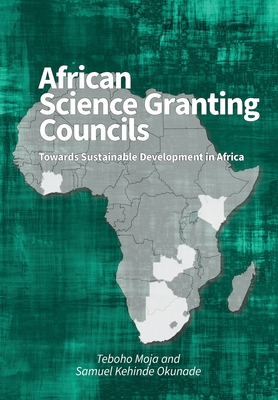
This book delves into the research-policy nexus as it relates to development in Africa. It does so by examining four country-cases - Botswana, Côte d'Ivoire, Kenya and Zambia - while referring to South Africa as a possible exemplar case.


The book reaffirms that the majority of governments in Africa spend less than one per cent of their GDP on research and development (R&D) despite the commitment to raise their research funding levels contained in the Lagos Plan of Action (1980). Hence, reliance on external funding for research persists on the continent.


To manage research engagements and public funds, Science Granting Councils (SGCs) have been established. These institutions are held accountable for how public funds are spent and how the research they fund contributes to the advancement of society.

To-date, the SGCs and researchers have demonstrated in various ways how funded research contributes to the advancement of society. However, there appear to be differences in opinion amongst key stakeholders in terms of what constitutes research priorities as well as expectations in terms of the returns on research investments made.


This book brings to the fore the importance of research and its outcome on societal development, and reveals the stake that African governments hold in the process. The book encourages African governments to show greater commitment to providing funding for research on the continent.

This is critical if governments are to assume a lead role in the continent's development agenda. It would also set the stage for partnerships with other stakeholders, including industry and funding organisations. Researchers are also encouraged to work closely with the SGCs to ensure the valorisation of research products for societal benefit. This has a potential to unlock more funding for research in Africa which, in turn, would drive the development of the continent.

Citește mai mult

-10%

transport gratuit

PRP: 303.80 Lei

!

Acesta este Prețul Recomandat de Producător. Prețul de vânzare al produsului este afișat mai jos.

273.42Lei

273.42Lei

303.80 Lei

Primești 273 puncte

Important icon msg

Primești puncte de fidelitate după fiecare comandă! 100 puncte de fidelitate reprezintă 1 leu. Folosește-le la viitoarele achiziții!

Indisponibil

Descrierea produsului

This book delves into the research-policy nexus as it relates to development in Africa. It does so by examining four country-cases - Botswana, Côte d'Ivoire, Kenya and Zambia - while referring to South Africa as a possible exemplar case.


The book reaffirms that the majority of governments in Africa spend less than one per cent of their GDP on research and development (R&D) despite the commitment to raise their research funding levels contained in the Lagos Plan of Action (1980). Hence, reliance on external funding for research persists on the continent.


To manage research engagements and public funds, Science Granting Councils (SGCs) have been established. These institutions are held accountable for how public funds are spent and how the research they fund contributes to the advancement of society.

To-date, the SGCs and researchers have demonstrated in various ways how funded research contributes to the advancement of society. However, there appear to be differences in opinion amongst key stakeholders in terms of what constitutes research priorities as well as expectations in terms of the returns on research investments made.


This book brings to the fore the importance of research and its outcome on societal development, and reveals the stake that African governments hold in the process. The book encourages African governments to show greater commitment to providing funding for research on the continent.

This is critical if governments are to assume a lead role in the continent's development agenda. It would also set the stage for partnerships with other stakeholders, including industry and funding organisations. Researchers are also encouraged to work closely with the SGCs to ensure the valorisation of research products for societal benefit. This has a potential to unlock more funding for research in Africa which, in turn, would drive the development of the continent.

Citește mai mult

S-ar putea să-ți placă și

De același autor

Părerea ta e inspirație pentru comunitatea Libris!

Istoricul tău de navigare

Acum se comandă

Noi suntem despre cărți, și la fel este și

Newsletter-ul nostru.

Abonează-te la veștile literare și primești un cupon de -10% pentru viitoarea ta comandă!

*Reducerea aplicată prin cupon nu se cumulează, ci se aplică reducerea cea mai mare.

Mă abonez image one
Mă abonez image one
Accessibility Logo



