



- /
- Librarie online
- /
- Carti in engleza
- /
- History
- /
- Europe
- /
- Western
- /
- A Counterblaste to Tobacco, and Other Intemperate Diatribes Against Tobacco From the Early Modern Period - James Stuart
A Counterblaste to Tobacco, and Other Intemperate Diatribes Against Tobacco From the Early Modern Period
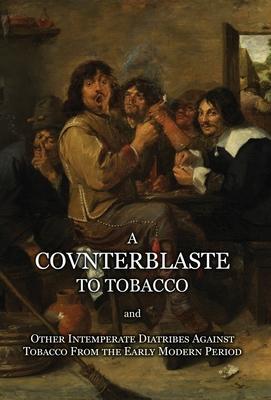
Besides a hatred of witches, King James had an extreme antipathy towards tobacco, a habit he deemed so filthy, degrading, and harmful to the nation, that, trivial as the subject might have appeared on the surface, he thought it opportune to take quill to parchment and invect against smoking for the edification of his subjects. Later on, this same antipathy impelled a tax, which amounted to six shillings and eight pence per pound of imported product, a stiff imposition at the time. But, to his chagrin, his efforts proved futile against the stinking drug-it was addictive, after all. His treatise, being of kingly provenance, eclipsed a much longer one produced by a pseudonymous physician, published a couple of years earlier. Work for Chimney-Sweepers presents a more systematic attack on tobacco, supplying eight reasons and arguments against it. Like James, he relied for this purpose on the Galenian theory of the four humours. And, alas, like his king, he censured in vain, for the matter had to be taken up again three generations later at a Sessions Court, this time by women fed up with their husbands' tobacco-induced low libido, infertility, and chimney-like qualities. Married and unmarried, young and old, the women detailed their grievances in no uncertain terms, to the extent that an order was approved, restricting the husbands and authorising their sexually frustrated wives to seek their own redress. This collection of diatribes, intemperate as they are, provide an entertaining window into 17th-century English society, and the disruption caused by this exotic plant brought in from the New World.
PRP: 280.98 Lei

Acesta este Prețul Recomandat de Producător. Prețul de vânzare al produsului este afișat mai jos.
224.78Lei
224.78Lei
280.98 LeiPrimești 224 puncte

Livrare in 2-4 saptamani
Descrierea produsului
Besides a hatred of witches, King James had an extreme antipathy towards tobacco, a habit he deemed so filthy, degrading, and harmful to the nation, that, trivial as the subject might have appeared on the surface, he thought it opportune to take quill to parchment and invect against smoking for the edification of his subjects. Later on, this same antipathy impelled a tax, which amounted to six shillings and eight pence per pound of imported product, a stiff imposition at the time. But, to his chagrin, his efforts proved futile against the stinking drug-it was addictive, after all. His treatise, being of kingly provenance, eclipsed a much longer one produced by a pseudonymous physician, published a couple of years earlier. Work for Chimney-Sweepers presents a more systematic attack on tobacco, supplying eight reasons and arguments against it. Like James, he relied for this purpose on the Galenian theory of the four humours. And, alas, like his king, he censured in vain, for the matter had to be taken up again three generations later at a Sessions Court, this time by women fed up with their husbands' tobacco-induced low libido, infertility, and chimney-like qualities. Married and unmarried, young and old, the women detailed their grievances in no uncertain terms, to the extent that an order was approved, restricting the husbands and authorising their sexually frustrated wives to seek their own redress. This collection of diatribes, intemperate as they are, provide an entertaining window into 17th-century English society, and the disruption caused by this exotic plant brought in from the New World.
Detaliile produsului