








Characterization and Clinical Management of Dilated Cardiomyopathy
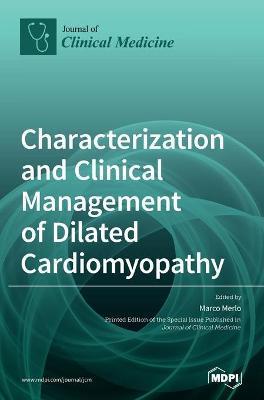
Dilated cardiomyopathy (DCM) is a particular phenotype of non-ischemic systolic heart failure, frequently recognizing a genetic background and affecting relatively young patients with few comorbidities. Nowadays, long-term survival of DCM patients has been markedly improved due to an early diagnosis and uninterrupted and tailored follow-up under constant optimal medical and non-pharmacological evidence-based treatments. Nevertheless, DCM is still one of the most common causes of heart transplantation in the western world. Clinical management requires an integrated and systematic use of diagnostic tools and a deeper investigation of the basic mechanisms underlying the disease. However, several emerging issues remain debated. Specifically, the genotype-phenotype correlation, the role of advanced imaging techniques and genetic testing, the lack of appropriate risk stratification models, the need for a multiparametric and multidisciplinary approach for device implantation, and a continuous reclassification of the disease during follow-up remain challenging issues in clinical practice. Therefore, the aim of this Special Issue is to shed the light on the most recent advancements in characterization and clinical management of DCM in order to unveil the conundrum of this particular disease.
PRP: 422.59 Lei

Acesta este Prețul Recomandat de Producător. Prețul de vânzare al produsului este afișat mai jos.
380.33Lei
380.33Lei
422.59 LeiPrimești 380 puncte

Livrare in 2-4 saptamani
Descrierea produsului
Dilated cardiomyopathy (DCM) is a particular phenotype of non-ischemic systolic heart failure, frequently recognizing a genetic background and affecting relatively young patients with few comorbidities. Nowadays, long-term survival of DCM patients has been markedly improved due to an early diagnosis and uninterrupted and tailored follow-up under constant optimal medical and non-pharmacological evidence-based treatments. Nevertheless, DCM is still one of the most common causes of heart transplantation in the western world. Clinical management requires an integrated and systematic use of diagnostic tools and a deeper investigation of the basic mechanisms underlying the disease. However, several emerging issues remain debated. Specifically, the genotype-phenotype correlation, the role of advanced imaging techniques and genetic testing, the lack of appropriate risk stratification models, the need for a multiparametric and multidisciplinary approach for device implantation, and a continuous reclassification of the disease during follow-up remain challenging issues in clinical practice. Therefore, the aim of this Special Issue is to shed the light on the most recent advancements in characterization and clinical management of DCM in order to unveil the conundrum of this particular disease.
Detaliile produsului




