








- /
- Librarie online
- /
- Carti in engleza
- /
- Political Science
- /
- International Relations
- /
- Arms Control
- /
- Combat Soldier: Infantry Tactics and Cohesion in the Twentieth and Twenty-First Centuries - Anthony King
Combat Soldier: Infantry Tactics and Cohesion in the Twentieth and Twenty-First Centuries
Combat Soldier: Infantry Tactics and Cohesion in the Twentieth and Twenty-First Centuries
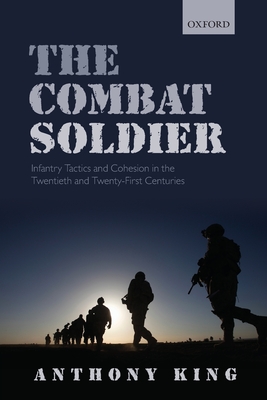
How do small groups of combat soldiers perform on the battlefield and maintain their cohesion under fire? Why are they willing to fight for each other? These questions have long intrigued social scientists, military historians, and philosophers. Based on extensive research and drawing on graphic analysis of close quarter combat from the Somme to Sangin, this book puts forward a novel and challenging answer to this question. Against the common presumption of the virtues of the citizen soldier, the author claims that, in fact, the infantry platoon of the mass twentieth century army typically performed poorly and demonstrated low levels of cohesion in combat. With inadequate time and resources to train their troops for the industrial battlefield, citizen armies typically relied on appeals to masculinity, nationalism, and ethnicity to unite their troops and to encourage them to fight. By contrast, cohesion among today's professional soldiers is generated and sustained quite
differently. While concepts of masculinity and patriotism are not wholly irrelevant, the combat performance of professional soldiers is based primarily on drills which are inculcated through intense training regimes. Consequently, the infantry platoon has become a highly skilled team capable of collective virtuosity in combat. The increasing importance of training, competence, and drills to the professional infantry soldier has not only changed the character of cohesion in the twenty-first century platoon, but it has also allowed for a wider social membership of this group. Soldiers are no longer included or excluded into the platoon on the basis of their skin colour, ethnicity, social background, sexuality, or even sex (women are increasingly being included in the infantry) but their professional competence alone: can they do the job? In this way, the book traces a profound transformation in the western way of warfare to shed light on wider processes of change not only in the armed
forces but in civilian society as well. This book is a project of the Oxford Programme on the Changing Character of War.
PRP: 500.65 Lei

Acesta este Prețul Recomandat de Producător. Prețul de vânzare al produsului este afișat mai jos.
450.58Lei
450.58Lei
500.65 LeiPrimești 450 puncte

Livrare in 2-4 saptamani
Descrierea produsului
How do small groups of combat soldiers perform on the battlefield and maintain their cohesion under fire? Why are they willing to fight for each other? These questions have long intrigued social scientists, military historians, and philosophers. Based on extensive research and drawing on graphic analysis of close quarter combat from the Somme to Sangin, this book puts forward a novel and challenging answer to this question. Against the common presumption of the virtues of the citizen soldier, the author claims that, in fact, the infantry platoon of the mass twentieth century army typically performed poorly and demonstrated low levels of cohesion in combat. With inadequate time and resources to train their troops for the industrial battlefield, citizen armies typically relied on appeals to masculinity, nationalism, and ethnicity to unite their troops and to encourage them to fight. By contrast, cohesion among today's professional soldiers is generated and sustained quite
differently. While concepts of masculinity and patriotism are not wholly irrelevant, the combat performance of professional soldiers is based primarily on drills which are inculcated through intense training regimes. Consequently, the infantry platoon has become a highly skilled team capable of collective virtuosity in combat. The increasing importance of training, competence, and drills to the professional infantry soldier has not only changed the character of cohesion in the twenty-first century platoon, but it has also allowed for a wider social membership of this group. Soldiers are no longer included or excluded into the platoon on the basis of their skin colour, ethnicity, social background, sexuality, or even sex (women are increasingly being included in the infantry) but their professional competence alone: can they do the job? In this way, the book traces a profound transformation in the western way of warfare to shed light on wider processes of change not only in the armed
forces but in civilian society as well. This book is a project of the Oxford Programme on the Changing Character of War.
Detaliile produsului