- /
- Librarie online
- /
- Carti in engleza
- /
- Business & Economics
- /
- Museum Administration & Museology
- /
- Designing Museum Experiences - Mark Walhimer
Designing Museum Experiences
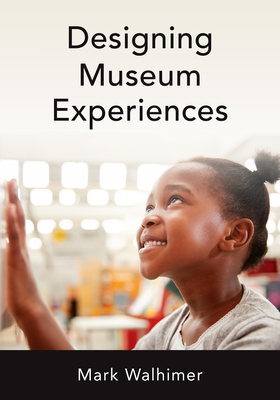
Designing Museum Experiences
Designing Museum Experiences is a "how-to" book for creating visitor-centered museums that emotionally and intellectually connect with museum visitors, stakeholders, and donors. Museums are changing from static, monolithic, and encyclopedic institutions to institutions that are visitor-centric, with shared authority that allows museum and visitors to become co-creators in content creation. Museum content is also changing, from static content to dynamic, evolving content that is multi-cultural and transparent regarding the evolution of facts and histories, allowing multi-person interpretations of events. Designing Museum Experiences leads readers through the methods and tools of the three stages of a museum visit (Pre-visit, In-Person Visit, and Post-visit), with a goal of motivating visitors to return and revisit the museum in the future. This museum visitation loop creates meaningful intellectual, emotional, and experiential value for the visitor. Using the business-world-proven methodologies of user centered design, Museum Visitor Experience leads the reader through the process of creating value for the visitor. Providing consistent messaging at all touchpoints (website, social media, museum staff visitor services, museum signage, etc.) creates a trusted bond between visitor and museum. The tools used to increase understanding of and encourage empathy for the museum visitor, and understand visitor motivations include: Empathy Mapping, Personas, Audience segmentation, Visitor Journey Mapping, Service Design Blueprints, System Mapping, Content Mapping, Museum Context Mapping, Stakeholder Mapping, and the Visitor Value Proposition. In the end, the reason for using the tools is to empower visitors and meet their emotional and intellectual needs, with the goal of creating a lifelong bond between museum and visitor. This is especially important as museums face a new post COVID-19 reality; only the most nimble, visitor-centered museums are likely to survive. The companion website to Designing Museum Experiences features: Links to additional visitor-centered museum information Downloadable sample documents and templates Bibliography of sources for further reading Online glossary of museum visitor experience terms Daily checklists of "how-to" provide and receive visitor-centered experiences More than 50 associated Designing Museum Experiences documents
PRP: 418.04 Lei

Acesta este Prețul Recomandat de Producător. Prețul de vânzare al produsului este afișat mai jos.
376.24Lei
376.24Lei
418.04 LeiPrimești 376 puncte

Livrare in 2-4 saptamani
Descrierea produsului
Designing Museum Experiences is a "how-to" book for creating visitor-centered museums that emotionally and intellectually connect with museum visitors, stakeholders, and donors. Museums are changing from static, monolithic, and encyclopedic institutions to institutions that are visitor-centric, with shared authority that allows museum and visitors to become co-creators in content creation. Museum content is also changing, from static content to dynamic, evolving content that is multi-cultural and transparent regarding the evolution of facts and histories, allowing multi-person interpretations of events. Designing Museum Experiences leads readers through the methods and tools of the three stages of a museum visit (Pre-visit, In-Person Visit, and Post-visit), with a goal of motivating visitors to return and revisit the museum in the future. This museum visitation loop creates meaningful intellectual, emotional, and experiential value for the visitor. Using the business-world-proven methodologies of user centered design, Museum Visitor Experience leads the reader through the process of creating value for the visitor. Providing consistent messaging at all touchpoints (website, social media, museum staff visitor services, museum signage, etc.) creates a trusted bond between visitor and museum. The tools used to increase understanding of and encourage empathy for the museum visitor, and understand visitor motivations include: Empathy Mapping, Personas, Audience segmentation, Visitor Journey Mapping, Service Design Blueprints, System Mapping, Content Mapping, Museum Context Mapping, Stakeholder Mapping, and the Visitor Value Proposition. In the end, the reason for using the tools is to empower visitors and meet their emotional and intellectual needs, with the goal of creating a lifelong bond between museum and visitor. This is especially important as museums face a new post COVID-19 reality; only the most nimble, visitor-centered museums are likely to survive. The companion website to Designing Museum Experiences features: Links to additional visitor-centered museum information Downloadable sample documents and templates Bibliography of sources for further reading Online glossary of museum visitor experience terms Daily checklists of "how-to" provide and receive visitor-centered experiences More than 50 associated Designing Museum Experiences documents
Detaliile produsului