


- /
- Librarie online
- /
- Carti in engleza
- /
- Social Science
- /
- Human Services
- /
- DO WE REALLY KNOW WHAT WORKS The Philosophy and Science of Evaluating Social Programs - David E. K. Hunter
DO WE REALLY KNOW WHAT WORKS The Philosophy and Science of Evaluating Social Programs
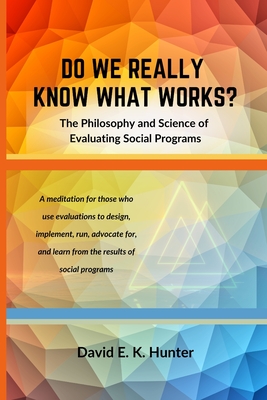
For social program practitioners, evaluators, funders, consultants, and advocates, this book contrasts two major evaluation approaches: Randomized Controlled Trials (RCTs) and realist evaluations. Placing both in the historical context of the evolution of Western thought, it first examines the assumptions and beliefs that underly and frame their outlook on knowledge and how we acquire it. Then, it examines their strengths and weaknesses: to what situations are they best suited, what they can and can't deliver, which questions they can and can't answer, and how their results should be understood and utilized. Finally, it offers a series of concrete proposals for improving the quality of program evaluations and refining how to use the two approaches to help improve the lives and prospects of their intended beneficiaries.
PRP: 206.25 Lei

Acesta este Prețul Recomandat de Producător. Prețul de vânzare al produsului este afișat mai jos.
185.62Lei
185.62Lei
206.25 LeiPrimești 185 puncte

Livrare in 2-4 saptamani
Descrierea produsului
For social program practitioners, evaluators, funders, consultants, and advocates, this book contrasts two major evaluation approaches: Randomized Controlled Trials (RCTs) and realist evaluations. Placing both in the historical context of the evolution of Western thought, it first examines the assumptions and beliefs that underly and frame their outlook on knowledge and how we acquire it. Then, it examines their strengths and weaknesses: to what situations are they best suited, what they can and can't deliver, which questions they can and can't answer, and how their results should be understood and utilized. Finally, it offers a series of concrete proposals for improving the quality of program evaluations and refining how to use the two approaches to help improve the lives and prospects of their intended beneficiaries.
Detaliile produsului