- /
- Librarie online
- /
- Carti in engleza
- /
- History
- /
- Europe
- /
- Germany
- /
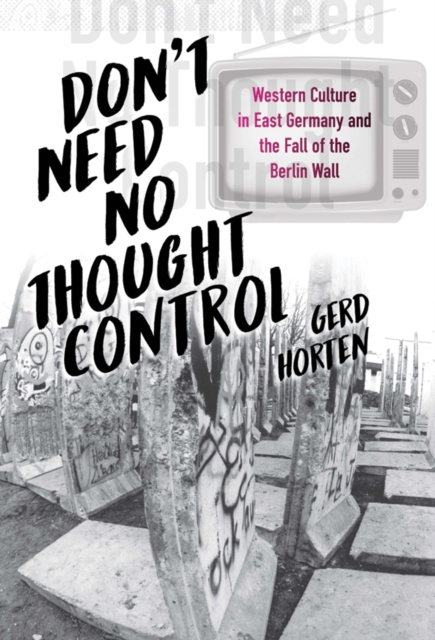
- Don't Need No Thought Control: Western Culture in East Germany and the Fall of the Berlin Wall - Gerd Horten
Don't Need No Thought Control: Western Culture in East Germany and the Fall of the Berlin Wall
The fall of the Berlin Wall is typically understood as the culmination of political-economic trends that fatally weakened the East German state. Meanwhile, comparatively little attention has been paid to the cultural dimension of these dramatic events, particularly the role played by Western mass media and consumer culture. With a focus on the 1970s and 1980s, Don�t Need No Thought Control explores the dynamic interplay of popular unrest, intensifying economic crises, and cultural policies under Erich Honecker. It shows how the widespread influence of (and public demands for) Western cultural products forced GDR leaders into a series of grudging accommodations that undermined state power to a hitherto underappreciated extent.
The fall of the Berlin Wall is typically understood as the culmination of political-economic trends that fatally weakened the East German state. Meanwhile, comparatively little attention has been paid to the cultural dimension of these dramatic events, particularly the role played by Western mass media and consumer culture. With a focus on the 1970s and 1980s, Don't Need No Thought Control explores the dynamic interplay of popular unrest, intensifying economic crises, and cultural policies under Erich Honecker. It shows how the widespread influence of (and public demands for) Western cultural products forced GDR leaders into a series of grudging accommodations that undermined state power to a hitherto underappreciated extent.
PRP: 294.01 Lei

Acesta este Prețul Recomandat de Producător. Prețul de vânzare al produsului este afișat mai jos.
264.61Lei
264.61Lei
294.01 LeiPrimești 264 puncte

Livrare in 2-4 saptamani
Descrierea produsului
The fall of the Berlin Wall is typically understood as the culmination of political-economic trends that fatally weakened the East German state. Meanwhile, comparatively little attention has been paid to the cultural dimension of these dramatic events, particularly the role played by Western mass media and consumer culture. With a focus on the 1970s and 1980s, Don�t Need No Thought Control explores the dynamic interplay of popular unrest, intensifying economic crises, and cultural policies under Erich Honecker. It shows how the widespread influence of (and public demands for) Western cultural products forced GDR leaders into a series of grudging accommodations that undermined state power to a hitherto underappreciated extent.
The fall of the Berlin Wall is typically understood as the culmination of political-economic trends that fatally weakened the East German state. Meanwhile, comparatively little attention has been paid to the cultural dimension of these dramatic events, particularly the role played by Western mass media and consumer culture. With a focus on the 1970s and 1980s, Don't Need No Thought Control explores the dynamic interplay of popular unrest, intensifying economic crises, and cultural policies under Erich Honecker. It shows how the widespread influence of (and public demands for) Western cultural products forced GDR leaders into a series of grudging accommodations that undermined state power to a hitherto underappreciated extent.
Detaliile produsului