








Drinking Water Quality and Human Health
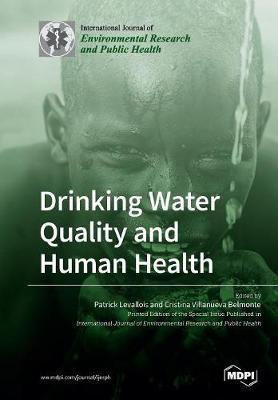
The quality of drinking water is paramount for public health. Despite important improvements in the last decades, access to safe drinking water is not universal. The World Health Organization estimates that almost 10% of the population in the world do not have access to improved drinking water sources. Among other diseases, waterborne infections cause diarrhea, which kills nearly one million people every year, mostly children under 5 years of age. On the other hand, chemical pollution is a concern in high-income countries and an increasing problem in low- and middle-income countries. Exposure to chemicals in drinking water may lead to a range of chronic non-communicable diseases (e.g., cancer, cardiovascular disease), adverse reproductive outcomes, and effects on children's health (e.g., neurodevelopment), among other health effects. Although drinking water quality is regulated and monitored in many countries, increasing knowledge leads to the need for reviewing standards and guidelines on a nearly permanent basis, both for regulated and newly identified contaminants. Drinking water standards are mostly based on animal toxicity data, and more robust epidemiologic studies with accurate exposure assessment are needed. The current risk assessment paradigm dealing mostly with one-by-one chemicals dismisses the potential synergisms or interactions from exposures to mixtures of contaminants, particularly at the low-exposure range. Thus, evidence is needed on exposure and health effects of mixtures of contaminants in drinking water. Finally, water stress and water quality problems are expected to increase in the coming years due to climate change and increasing water demand by population growth, and new evidence is needed to design appropriate adaptation policies.
This Special Issue of International Journal of Environmental Research and Public Health (IJERPH) focuses on the current state of knowledge on the links between drinking water quality and human health.
PRP: 592.22 Lei

Acesta este Prețul Recomandat de Producător. Prețul de vânzare al produsului este afișat mai jos.
533.00Lei
533.00Lei
592.22 LeiPrimești 532 puncte

Livrare in 2-4 saptamani
Descrierea produsului
The quality of drinking water is paramount for public health. Despite important improvements in the last decades, access to safe drinking water is not universal. The World Health Organization estimates that almost 10% of the population in the world do not have access to improved drinking water sources. Among other diseases, waterborne infections cause diarrhea, which kills nearly one million people every year, mostly children under 5 years of age. On the other hand, chemical pollution is a concern in high-income countries and an increasing problem in low- and middle-income countries. Exposure to chemicals in drinking water may lead to a range of chronic non-communicable diseases (e.g., cancer, cardiovascular disease), adverse reproductive outcomes, and effects on children's health (e.g., neurodevelopment), among other health effects. Although drinking water quality is regulated and monitored in many countries, increasing knowledge leads to the need for reviewing standards and guidelines on a nearly permanent basis, both for regulated and newly identified contaminants. Drinking water standards are mostly based on animal toxicity data, and more robust epidemiologic studies with accurate exposure assessment are needed. The current risk assessment paradigm dealing mostly with one-by-one chemicals dismisses the potential synergisms or interactions from exposures to mixtures of contaminants, particularly at the low-exposure range. Thus, evidence is needed on exposure and health effects of mixtures of contaminants in drinking water. Finally, water stress and water quality problems are expected to increase in the coming years due to climate change and increasing water demand by population growth, and new evidence is needed to design appropriate adaptation policies.
This Special Issue of International Journal of Environmental Research and Public Health (IJERPH) focuses on the current state of knowledge on the links between drinking water quality and human health.
Detaliile produsului