- /
- Librarie online
- /
- Carti in engleza
- /
- History
- /
- United States
- /
- 19th Century
- /
- Exposing Slavery
Exposing Slavery
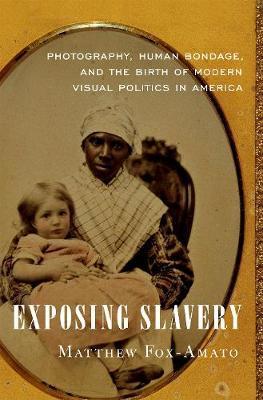
Exposing Slavery
Within a few years of the invention of the first commercially successful photography process in 1839, American slaveholders had already begun commissioning photographic portraits of their slaves. Ex-slaves-turned-abolitionists such as Frederick Douglass also came to see how sitting for a portrait could help them project humanity and dignity amidst northern racism. In the first decade of the medium, enslaved people had begun entering southern daguerreotype saloons of
their own volition, posing for cameras, and leaving with visual treasures they could keep in their pockets. And, as the Civil War raged, Union soldiers would orchestrate pictures with fugitive slaves that envisioned racial hierarchy as slavery fell. In these ways and others, from the earliest days
of the medium to the first moments of emancipation, photography powerfully influenced how bondage and freedom were documented, imagined, and contested. By 1865, it would be difficult for many Americans to look back upon slavery and its fall without thinking of a photograph.
This book explores how photography altered, and was in turn shaped by, conflicts over bondage. Drawing upon an original source base that includes hundreds of unpublished and little-studied photographs of slaves, ex-slaves, and abolitionists as well as written archival materials, it puts visual culture at the center of understanding the experience of late slavery. It assesses how photography helped southerners to defend slavery, slaves to shape their social ties, abolitionists to strengthen
their movement, and soldiers to imagine and pictorially enact an interracial society during the Civil War. With diverse goals, these peoples transformed photography from a scientific curiosity (in the early 1840s) into a political tool (by the 1860s). While this project sheds new light on conflicts
over late American slavery, it also reveals a key moment in the much broader historical relationship between modern visual culture and racialized forms of power and resistance.
their own volition, posing for cameras, and leaving with visual treasures they could keep in their pockets. And, as the Civil War raged, Union soldiers would orchestrate pictures with fugitive slaves that envisioned racial hierarchy as slavery fell. In these ways and others, from the earliest days
of the medium to the first moments of emancipation, photography powerfully influenced how bondage and freedom were documented, imagined, and contested. By 1865, it would be difficult for many Americans to look back upon slavery and its fall without thinking of a photograph.
This book explores how photography altered, and was in turn shaped by, conflicts over bondage. Drawing upon an original source base that includes hundreds of unpublished and little-studied photographs of slaves, ex-slaves, and abolitionists as well as written archival materials, it puts visual culture at the center of understanding the experience of late slavery. It assesses how photography helped southerners to defend slavery, slaves to shape their social ties, abolitionists to strengthen
their movement, and soldiers to imagine and pictorially enact an interracial society during the Civil War. With diverse goals, these peoples transformed photography from a scientific curiosity (in the early 1840s) into a political tool (by the 1860s). While this project sheds new light on conflicts
over late American slavery, it also reveals a key moment in the much broader historical relationship between modern visual culture and racialized forms of power and resistance.
PRP: 412.30 Lei

Acesta este Prețul Recomandat de Producător. Prețul de vânzare al produsului este afișat mai jos.
329.84Lei
329.84Lei
412.30 LeiPrimești 329 puncte

Livrare in 2-4 saptamani
Descrierea produsului
Within a few years of the invention of the first commercially successful photography process in 1839, American slaveholders had already begun commissioning photographic portraits of their slaves. Ex-slaves-turned-abolitionists such as Frederick Douglass also came to see how sitting for a portrait could help them project humanity and dignity amidst northern racism. In the first decade of the medium, enslaved people had begun entering southern daguerreotype saloons of
their own volition, posing for cameras, and leaving with visual treasures they could keep in their pockets. And, as the Civil War raged, Union soldiers would orchestrate pictures with fugitive slaves that envisioned racial hierarchy as slavery fell. In these ways and others, from the earliest days
of the medium to the first moments of emancipation, photography powerfully influenced how bondage and freedom were documented, imagined, and contested. By 1865, it would be difficult for many Americans to look back upon slavery and its fall without thinking of a photograph.
This book explores how photography altered, and was in turn shaped by, conflicts over bondage. Drawing upon an original source base that includes hundreds of unpublished and little-studied photographs of slaves, ex-slaves, and abolitionists as well as written archival materials, it puts visual culture at the center of understanding the experience of late slavery. It assesses how photography helped southerners to defend slavery, slaves to shape their social ties, abolitionists to strengthen
their movement, and soldiers to imagine and pictorially enact an interracial society during the Civil War. With diverse goals, these peoples transformed photography from a scientific curiosity (in the early 1840s) into a political tool (by the 1860s). While this project sheds new light on conflicts
over late American slavery, it also reveals a key moment in the much broader historical relationship between modern visual culture and racialized forms of power and resistance.
their own volition, posing for cameras, and leaving with visual treasures they could keep in their pockets. And, as the Civil War raged, Union soldiers would orchestrate pictures with fugitive slaves that envisioned racial hierarchy as slavery fell. In these ways and others, from the earliest days
of the medium to the first moments of emancipation, photography powerfully influenced how bondage and freedom were documented, imagined, and contested. By 1865, it would be difficult for many Americans to look back upon slavery and its fall without thinking of a photograph.
This book explores how photography altered, and was in turn shaped by, conflicts over bondage. Drawing upon an original source base that includes hundreds of unpublished and little-studied photographs of slaves, ex-slaves, and abolitionists as well as written archival materials, it puts visual culture at the center of understanding the experience of late slavery. It assesses how photography helped southerners to defend slavery, slaves to shape their social ties, abolitionists to strengthen
their movement, and soldiers to imagine and pictorially enact an interracial society during the Civil War. With diverse goals, these peoples transformed photography from a scientific curiosity (in the early 1840s) into a political tool (by the 1860s). While this project sheds new light on conflicts
over late American slavery, it also reveals a key moment in the much broader historical relationship between modern visual culture and racialized forms of power and resistance.
Detaliile produsului