



- /
- Librarie online
- /
- Carti in engleza
- /
- Science
- /
- Life Sciences
- /
- Biology
- /
- Fungal Pigments - Laurent Dufossé
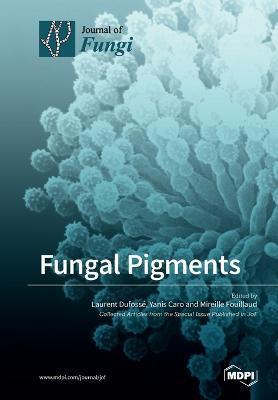
Fungal Pigments
With the impact of globalization in research trends, the search for healthier life styles, the increasing public demand for natural, organic, and 'clean labelled' products, as well as the growing global market for natural colorants in economically fast-growing countries all over the world, filamentous fungi started to be investigated as readily available sources of chemically diverse pigments and colorants. For all of these reasons, this special issue of Journal of Fungi will highlight exciting findings, which may pave the way for alternative and/or additional biotechnological processes for industrial applications of fungal pigments and colorants. Research papers and reviews about the fungal biodiversity from terrestrial and marine origins are welcome, bringing new elements about fungi as potential sources of well-known carotenoid pigments (e.g. beta-carotene, lycopene) and other specific pigmented polyketide molecules, such as Monascus and Monascus-like azaphilones, which are yet not known to be biosynthesized by any other organisms like higher plants. These polyketide pigments also include promising, and unexplored hydroxy-anthraquinoid colorants from Ascomycetous species. The investigation of biosynthetic pathways of the carotenoids and polyketide-derivative colored molecules (i.e. azaphilones, hydroxyanthraquinones, and naphthoquinones) in pigment-producing fungal species could bring some articles. Contributions about alternative greener extraction processes of the fungal colored compounds, along with current industrial applications, description of their limits and further opportunities for the use of fungal pigments in beverage, food, pharmaceutical, cosmetic, textile and painting areas will also be part of this special issue.
PRP: 310.17 Lei

Acesta este Prețul Recomandat de Producător. Prețul de vânzare al produsului este afișat mai jos.
279.15Lei
279.15Lei
310.17 LeiPrimești 279 puncte

Livrare in 2-4 saptamani
Descrierea produsului
With the impact of globalization in research trends, the search for healthier life styles, the increasing public demand for natural, organic, and 'clean labelled' products, as well as the growing global market for natural colorants in economically fast-growing countries all over the world, filamentous fungi started to be investigated as readily available sources of chemically diverse pigments and colorants. For all of these reasons, this special issue of Journal of Fungi will highlight exciting findings, which may pave the way for alternative and/or additional biotechnological processes for industrial applications of fungal pigments and colorants. Research papers and reviews about the fungal biodiversity from terrestrial and marine origins are welcome, bringing new elements about fungi as potential sources of well-known carotenoid pigments (e.g. beta-carotene, lycopene) and other specific pigmented polyketide molecules, such as Monascus and Monascus-like azaphilones, which are yet not known to be biosynthesized by any other organisms like higher plants. These polyketide pigments also include promising, and unexplored hydroxy-anthraquinoid colorants from Ascomycetous species. The investigation of biosynthetic pathways of the carotenoids and polyketide-derivative colored molecules (i.e. azaphilones, hydroxyanthraquinones, and naphthoquinones) in pigment-producing fungal species could bring some articles. Contributions about alternative greener extraction processes of the fungal colored compounds, along with current industrial applications, description of their limits and further opportunities for the use of fungal pigments in beverage, food, pharmaceutical, cosmetic, textile and painting areas will also be part of this special issue.
Detaliile produsului