



- /
- Librarie online
- /
- Carti in engleza
- /
- Biography & Autobiography
- /
- Religious
- /
- Gowon: The Biography of a Soldier-Statesman - Isawa J. Elaigwu
Gowon: The Biography of a Soldier-Statesman
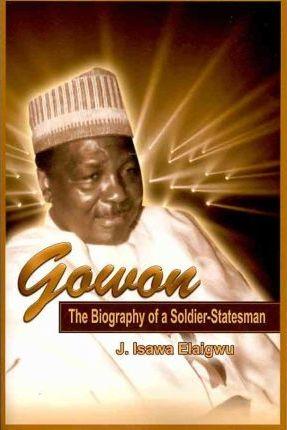
In 1966, a soft-spoken 32-year old man emerged from relative obscurity and humble background to become Nigeria's Head of State and Commander-in-Chief of the Armed Forces. His name was Lt Col (later General)Yakubu Gowon. He emerged as the compromise candidate following the political crisis that engulfed the country after the July 1966 military coup that had led to the assassination of the country's first military Head of State, General Aguiyi Ironsi. At the end of the Civil War in 1970, General Gowon's doctrine of 'No Victor No Vanquished' greatly endeared him to many, and he was variously dubbed 'Abraham Lincoln of Nigeria', 'a soft spoken but dynamic leader' 'a real gentleman' and 'an almost faultless administrator'. However, after he was overthrown in a military coup in July 1975, long knives were drawn out for him, with the hitherto friendly press and public crying 'crucify him', and now variously vilifying him as 'weak' and of managing a purposeless administration that had led to the 'drifting' of the nation. In this book Professor J. Isawa Elaigwu attempts a scholarly political biography of someone he believes has rendered great services to the Nigerian nation despite his weaknesses as a leader. He rejects the notion that Gowon's nine years in office were 'nine years of failure' as the General's ardent critics posit, arguing that if it is possible to identify a number of thresholds in his administration, it is also possible to identify the approximate point in time when the strains of his administration became visible to observers and the public in general. He poses and methodically seeks answers to a number of fundamental questions: Who was Yakubu Gowon? Why and how was the reservoir of goodwill and credibility which he had accumulated by the end of the Civil War expended? What image of Nigeria did he have when he came into power? And did he ever achieve his objectives? The book, first published in 1986, has been revised and expanded for this edition.
PRP: 322.40 Lei

Acesta este Prețul Recomandat de Producător. Prețul de vânzare al produsului este afișat mai jos.
290.16Lei
290.16Lei
322.40 LeiPrimești 290 puncte

Livrare in 2-4 saptamani
Descrierea produsului
In 1966, a soft-spoken 32-year old man emerged from relative obscurity and humble background to become Nigeria's Head of State and Commander-in-Chief of the Armed Forces. His name was Lt Col (later General)Yakubu Gowon. He emerged as the compromise candidate following the political crisis that engulfed the country after the July 1966 military coup that had led to the assassination of the country's first military Head of State, General Aguiyi Ironsi. At the end of the Civil War in 1970, General Gowon's doctrine of 'No Victor No Vanquished' greatly endeared him to many, and he was variously dubbed 'Abraham Lincoln of Nigeria', 'a soft spoken but dynamic leader' 'a real gentleman' and 'an almost faultless administrator'. However, after he was overthrown in a military coup in July 1975, long knives were drawn out for him, with the hitherto friendly press and public crying 'crucify him', and now variously vilifying him as 'weak' and of managing a purposeless administration that had led to the 'drifting' of the nation. In this book Professor J. Isawa Elaigwu attempts a scholarly political biography of someone he believes has rendered great services to the Nigerian nation despite his weaknesses as a leader. He rejects the notion that Gowon's nine years in office were 'nine years of failure' as the General's ardent critics posit, arguing that if it is possible to identify a number of thresholds in his administration, it is also possible to identify the approximate point in time when the strains of his administration became visible to observers and the public in general. He poses and methodically seeks answers to a number of fundamental questions: Who was Yakubu Gowon? Why and how was the reservoir of goodwill and credibility which he had accumulated by the end of the Civil War expended? What image of Nigeria did he have when he came into power? And did he ever achieve his objectives? The book, first published in 1986, has been revised and expanded for this edition.
Detaliile produsului