



- /
- Librarie online
- /
- Carti in engleza
- /
- Business & Economics
- /
- Industries
- /
- General
- /
- Greenville County, South Carolina: From Cotton Fields to Textile Center of the World - Ray Belcher
Greenville County, South Carolina: From Cotton Fields to Textile Center of the World
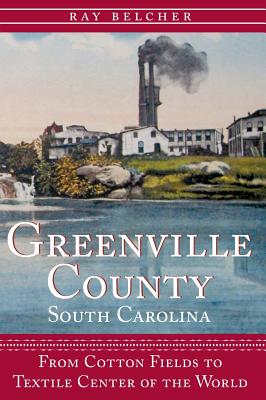
Greenville County, South Carolina: From Cotton Fields to Textile Center of the World
Amid the devastation left in South Carolina by the War Between the States, one of the few intact remnants of the pre-war life was a tiny cotton textile industry. For decades prior to the Civil War, the upstate textile industry rested unobtrusively near Greenville, its center of production, surrounded by former plantation fields of cotton. Now, when its state needed it the most, the textile industry, empowered by the vision of Greenville's Henry P. Hammett, rallied for its critical role in the resurrection of the Palmetto State's economy.
Building upon the state's position as a major cotton grower, savvy entrepreneurs of the "New South" jumped at the chance to take cotton production from plantation fields to factories, which eventually became a large-scale industry. Greenville's Piedmont Manufacturing Company set the pace and became one of the chief models for southern mill builders for a half century. With the mill companies leading the way, allied industries and agencies rapidly expanded into the county, already known as the Textile Center of the South by 1914. Further textile development combined with the permanent addition of a world-class trade show earned the city the title of "Textile Center of the World" - a name brandished proudly by the citizens of Greenville during the 1960s.
Able to weather two world wars, the Great Depression and one of the bloodiest strikes in textile history, Greenville's textile heyday waned after 1970 in the wake of an influx of foreign imports. The impact of the industry on Greenville and South Carolina is hard to overestimate; many mills still stand, and street names honor past mill owners, builders and
PRP: 210.74 Lei

Acesta este Prețul Recomandat de Producător. Prețul de vânzare al produsului este afișat mai jos.
189.67Lei
189.67Lei
210.74 LeiPrimești 189 puncte

Livrare in 2-4 saptamani
Descrierea produsului
Amid the devastation left in South Carolina by the War Between the States, one of the few intact remnants of the pre-war life was a tiny cotton textile industry. For decades prior to the Civil War, the upstate textile industry rested unobtrusively near Greenville, its center of production, surrounded by former plantation fields of cotton. Now, when its state needed it the most, the textile industry, empowered by the vision of Greenville's Henry P. Hammett, rallied for its critical role in the resurrection of the Palmetto State's economy.
Building upon the state's position as a major cotton grower, savvy entrepreneurs of the "New South" jumped at the chance to take cotton production from plantation fields to factories, which eventually became a large-scale industry. Greenville's Piedmont Manufacturing Company set the pace and became one of the chief models for southern mill builders for a half century. With the mill companies leading the way, allied industries and agencies rapidly expanded into the county, already known as the Textile Center of the South by 1914. Further textile development combined with the permanent addition of a world-class trade show earned the city the title of "Textile Center of the World" - a name brandished proudly by the citizens of Greenville during the 1960s.
Able to weather two world wars, the Great Depression and one of the bloodiest strikes in textile history, Greenville's textile heyday waned after 1970 in the wake of an influx of foreign imports. The impact of the industry on Greenville and South Carolina is hard to overestimate; many mills still stand, and street names honor past mill owners, builders and
Detaliile produsului