


- /
- Librarie online
- /
- Carti in engleza
- /
- Juvenile Nonfiction
- /
- Science & Nature
- /
- Environmental Science & Ecosystems
- /
- Jewels of the Sea: the hunt for floating treasure - Betsy Franco-feeney
Jewels of the Sea: the hunt for floating treasure
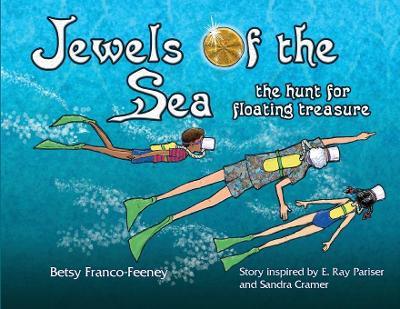
The world's oceans and freshwater environments teem with beneficial microscopic organisms called diatoms. In Franco-Feeney's well-conceived work, sure to spark a sense of discovery, grade school-age readers are introduced to these creatures and to the essential roles they play in the aquatic food chain, medicine, biomedical research, industry, and the very health of the planet. In the first half of the book, pleasantly illustrated by the author, Bart and his sister, Amy, go scuba diving with their grandfather Saba. He promises to show them the "jewels of the sea"-not a pirate's treasure, as they hope at first, but a rainbow of diatoms so tiny they can be seen only through a microscope or the special "micro-goggles" Saba has invented. As the siblings exclaim over the glasslike diatoms, Saba's facts about the organisms include how they provide the world with "almost a quarter of all the oxygen we breathe" through their process of photosynthesis. How the trio is able to speak underwater isn't explained, but Saba's "oxygen-gathering machine" allows for a visit to the ocean floor, where dead diatoms, forming a substance called diatomaceous earth, contribute to life, too. (Young readers' jaws may drop when they learn that this substance, found in such prosaic products as cat litter and toothpaste, was used centuries ago in building the pyramids.) The more substantial second half of the book, intended for adults to experience with children, expands on this information in captivating detail. Photographs add visual appeal to a clear presentation of astonishing diatom facts that underscores the contributions of those credited with the story's inspiration: research scientist E. Ray Pariser, registered nurse Sandra R. Cramer, and scientist Anne Bartels Whitson. The real-life science adventure ends with a comprehensive glossary of words and terms, a bibliography, source material conveniently identified by where it is referenced in the book, and a note about the inclusion of otherworldly appearing diatom images shot by award-winning nature photographers. It is a lively, fact-filled work about sparkling ocean creatures and their crucial roles.
PRP: 111.29 Lei

Acesta este Prețul Recomandat de Producător. Prețul de vânzare al produsului este afișat mai jos.
100.16Lei
100.16Lei
111.29 LeiPrimești 100 puncte

Livrare in 2-4 saptamani
Descrierea produsului
The world's oceans and freshwater environments teem with beneficial microscopic organisms called diatoms. In Franco-Feeney's well-conceived work, sure to spark a sense of discovery, grade school-age readers are introduced to these creatures and to the essential roles they play in the aquatic food chain, medicine, biomedical research, industry, and the very health of the planet. In the first half of the book, pleasantly illustrated by the author, Bart and his sister, Amy, go scuba diving with their grandfather Saba. He promises to show them the "jewels of the sea"-not a pirate's treasure, as they hope at first, but a rainbow of diatoms so tiny they can be seen only through a microscope or the special "micro-goggles" Saba has invented. As the siblings exclaim over the glasslike diatoms, Saba's facts about the organisms include how they provide the world with "almost a quarter of all the oxygen we breathe" through their process of photosynthesis. How the trio is able to speak underwater isn't explained, but Saba's "oxygen-gathering machine" allows for a visit to the ocean floor, where dead diatoms, forming a substance called diatomaceous earth, contribute to life, too. (Young readers' jaws may drop when they learn that this substance, found in such prosaic products as cat litter and toothpaste, was used centuries ago in building the pyramids.) The more substantial second half of the book, intended for adults to experience with children, expands on this information in captivating detail. Photographs add visual appeal to a clear presentation of astonishing diatom facts that underscores the contributions of those credited with the story's inspiration: research scientist E. Ray Pariser, registered nurse Sandra R. Cramer, and scientist Anne Bartels Whitson. The real-life science adventure ends with a comprehensive glossary of words and terms, a bibliography, source material conveniently identified by where it is referenced in the book, and a note about the inclusion of otherworldly appearing diatom images shot by award-winning nature photographers. It is a lively, fact-filled work about sparkling ocean creatures and their crucial roles.
Detaliile produsului