- /
- Librarie online
- /
- Carti in engleza
- /
- Fiction
- /
- Literary
- /
- Lays of Ancient Rome - Thomas Babington Macaulay
Lays of Ancient Rome
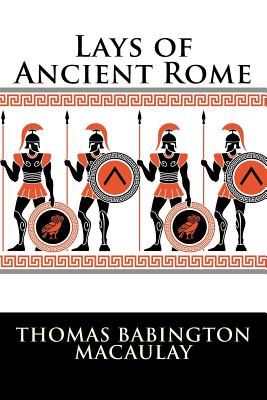
Lays of Ancient Rome
Lays of Ancient Rome
Thomas Babington MACAULAY (1800 - 1859) Lays of Ancient Rome is a collection of narrative poems, or lays, by Thomas Babington Macaulay. Four of these recount heroic episodes from early Roman history with strong dramatic and tragic themes, giving the collection its name. Macaulay also included two poems inspired by recent history: Ivry (1824) and The Armada (1832). In popular culture Lays of Ancient Rome has been reprinted on numerous occasions, and is now in the public domain. An 1881 edition was lavishly illustrated by John Reinhard Weguelin. Countless schoolchildren have encountered the work as a means of introducing them to history, poetry, and the moral values of courage, self-sacrifice, and patriotism emphasized in Macaulay's text. The phrase "how can man die better", from Horatius, was used by Benjamin Pogrund as the title of his biography of anti-apartheid activist Robert Sobukwe. The same portion of the poem was recited in an episode of Doctor Who, used as a plot device in the 2013 science fiction film Oblivion, and appears in the final book of Kevin J Anderson's The Saga of Seven Suns. Verses 32 and 50 of Horatius are used as epigraphs in Diane Duane's Star Trek novels, My Enemy, My Ally and The Empty Chair. These words are on the epitaph at the Chushul war memorial at Rezang La in memory of the 13th Battalion, Kumaon Regiment of the Indian Army.
PRP: 54.17 Lei

Acesta este Prețul Recomandat de Producător. Prețul de vânzare al produsului este afișat mai jos.
48.75Lei
48.75Lei
54.17 LeiPrimești 48 puncte

Livrare in 2-4 saptamani
Descrierea produsului
Lays of Ancient Rome
Thomas Babington MACAULAY (1800 - 1859) Lays of Ancient Rome is a collection of narrative poems, or lays, by Thomas Babington Macaulay. Four of these recount heroic episodes from early Roman history with strong dramatic and tragic themes, giving the collection its name. Macaulay also included two poems inspired by recent history: Ivry (1824) and The Armada (1832). In popular culture Lays of Ancient Rome has been reprinted on numerous occasions, and is now in the public domain. An 1881 edition was lavishly illustrated by John Reinhard Weguelin. Countless schoolchildren have encountered the work as a means of introducing them to history, poetry, and the moral values of courage, self-sacrifice, and patriotism emphasized in Macaulay's text. The phrase "how can man die better", from Horatius, was used by Benjamin Pogrund as the title of his biography of anti-apartheid activist Robert Sobukwe. The same portion of the poem was recited in an episode of Doctor Who, used as a plot device in the 2013 science fiction film Oblivion, and appears in the final book of Kevin J Anderson's The Saga of Seven Suns. Verses 32 and 50 of Horatius are used as epigraphs in Diane Duane's Star Trek novels, My Enemy, My Ally and The Empty Chair. These words are on the epitaph at the Chushul war memorial at Rezang La in memory of the 13th Battalion, Kumaon Regiment of the Indian Army.
Detaliile produsului