







- /
- Librarie online
- /
- Carti in engleza
- /
- Nature
- /
- Ecology
- /
- Life in the Tar Seeps: A Spiraling Ecology from a Dying Sea - Gretchen Ernster Henderson
Life in the Tar Seeps: A Spiraling Ecology from a Dying Sea
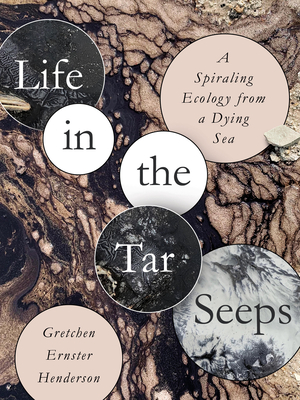
Life in the Tar Seeps: A Spiraling Ecology from a Dying Sea
At Great Salt Lake, near Robert Smithson's iconic earthwork Spiral Jetty, a motley crew of scientists walks the mudflats to study fossils in the making. This reputedly dead sea is home to tar seeps, pools of raw oil (nicknamed 'death traps') that act as a preservative, encasing organisms as they were in life. In this spare landscape, an intricate web of life unfurls. Halophiles―salt-hungry microorganisms―tint the brackish water pink and orange; crystals of gypsum stud the ground, glistening underfoot; and pelicans and other migratory birds stop for a crucial rest. Barn owls and seagulls flirt with their prey around the seeping constellations, sometimes falling prey to the oil themselves. Gretchen Henderson came to the tar seeps, a kind of natural asphalt, after recovering from being hit by a car as she walked in a crosswalk―a manmade asphalt. Like the spiraling artwork that made Great Salt Lake's north shore famous, Henderson's associations of life and death, degeneration and regeneration, and injury and healing coalesced. As she reexamined pressing issues that this delicate area revealed about the climate crisis, her sense of ecology spiraled into other ways of perceiving the lake's entangled lives. How do we move beyond narrow concepts of wounded and healed, the beautiful and the ugly, to care for ecosystems that evolve over time? How do we confront our vulnerability to recognize kindred dynamics in our living planet? Through shifting lake levels, bird migrations, microbial studies, environmental arts, and cultural histories shaped by indigenous knowledges and colonial legacies, Life in the Tar Seeps contemplates the ways that others have understood this body of water, enlivening more than this region alone. As Henderson witnesses scientists, arts curators, land managers, and students working collaboratively to steward a challenging place, she grows to see the lake not as dead but as a watershed for shifting perceptions of any overlooked place, offering a meditation on environmental healing across the planet. Henderson interweaves her journey with her own vivid photographs of tar seeps and pelican death assemblages, historic maps and contemporary art, as a wayfinding guide for exploring places of our own.
PRP: 154.69 Lei

Acesta este Prețul Recomandat de Producător. Prețul de vânzare al produsului este afișat mai jos.
139.22Lei
139.22Lei
154.69 LeiPrimești 139 puncte

Livrare in 2-4 saptamani
Descrierea produsului
At Great Salt Lake, near Robert Smithson's iconic earthwork Spiral Jetty, a motley crew of scientists walks the mudflats to study fossils in the making. This reputedly dead sea is home to tar seeps, pools of raw oil (nicknamed 'death traps') that act as a preservative, encasing organisms as they were in life. In this spare landscape, an intricate web of life unfurls. Halophiles―salt-hungry microorganisms―tint the brackish water pink and orange; crystals of gypsum stud the ground, glistening underfoot; and pelicans and other migratory birds stop for a crucial rest. Barn owls and seagulls flirt with their prey around the seeping constellations, sometimes falling prey to the oil themselves. Gretchen Henderson came to the tar seeps, a kind of natural asphalt, after recovering from being hit by a car as she walked in a crosswalk―a manmade asphalt. Like the spiraling artwork that made Great Salt Lake's north shore famous, Henderson's associations of life and death, degeneration and regeneration, and injury and healing coalesced. As she reexamined pressing issues that this delicate area revealed about the climate crisis, her sense of ecology spiraled into other ways of perceiving the lake's entangled lives. How do we move beyond narrow concepts of wounded and healed, the beautiful and the ugly, to care for ecosystems that evolve over time? How do we confront our vulnerability to recognize kindred dynamics in our living planet? Through shifting lake levels, bird migrations, microbial studies, environmental arts, and cultural histories shaped by indigenous knowledges and colonial legacies, Life in the Tar Seeps contemplates the ways that others have understood this body of water, enlivening more than this region alone. As Henderson witnesses scientists, arts curators, land managers, and students working collaboratively to steward a challenging place, she grows to see the lake not as dead but as a watershed for shifting perceptions of any overlooked place, offering a meditation on environmental healing across the planet. Henderson interweaves her journey with her own vivid photographs of tar seeps and pelican death assemblages, historic maps and contemporary art, as a wayfinding guide for exploring places of our own.
Detaliile produsului