


- /
- Librarie online
- /
- Carti in engleza
- /
- Philosophy
- /
- Ethics & Moral Philosophy
- /
- Life, Sex and Ideas: The Good Life Without God - A. C. Grayling
Life, Sex and Ideas: The Good Life Without God
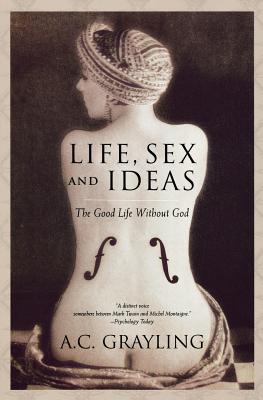
Life, Sex and Ideas: The Good Life Without God
Short and elegantly written, this volume contains 60 essays organized under the categories of moral matters, public culture, community and society, anger and war, and grief and remembrance.
"A distinctive voice somewhere between Mark Twain and Michel Montaigne" is how Psychology Today described A.C. Grayling. In Life, Sex, and Ideas: The Good Life Without God, readers have the pleasure of hearing this distinctive voice address some of the most serious topics in philosophy--and in our daily lives--including reflections on guns, anger, conflict, war; monsters, madness, decay; liberty, justice, utopia; suicide, loss, and remembrance.
A civilized society, says Grayling, is one which never ceases having a discussion with itself about what human life should best be. In this book, Grayling adds to this discussion a series of short informal essays about ethics, ideas, and culture. A recurring theme is religion, of which he writes "there is no greater social evil." He argues, for instance, that liberal education is better than religion for inculcating moral values. "Education in literature, history, and appreciation of the arts," he says, "opens the possibility for us to live more reflectively and knowledgeably, especially about the nature and variety of human experience. That in turn increases our capacity for understanding others better, so that we can treat them with respect and sympathy, however different their outlook on life." Thought provoking rather than definitive, these essays don't tell readers what to think, but only note what has been thought about how it is best to live.
A person who does not think about life, the author reminds us, is like a stranger mapless in a foreign land. These brief and suggestive essays offer us the outlines of a map, with avenues of thought that are a pleasure to wander down.
"A distinctive voice somewhere between Mark Twain and Michel Montaigne" is how Psychology Today described A.C. Grayling. In Life, Sex, and Ideas: The Good Life Without God, readers have the pleasure of hearing this distinctive voice address some of the most serious topics in philosophy--and in our daily lives--including reflections on guns, anger, conflict, war; monsters, madness, decay; liberty, justice, utopia; suicide, loss, and remembrance.
A civilized society, says Grayling, is one which never ceases having a discussion with itself about what human life should best be. In this book, Grayling adds to this discussion a series of short informal essays about ethics, ideas, and culture. A recurring theme is religion, of which he writes "there is no greater social evil." He argues, for instance, that liberal education is better than religion for inculcating moral values. "Education in literature, history, and appreciation of the arts," he says, "opens the possibility for us to live more reflectively and knowledgeably, especially about the nature and variety of human experience. That in turn increases our capacity for understanding others better, so that we can treat them with respect and sympathy, however different their outlook on life." Thought provoking rather than definitive, these essays don't tell readers what to think, but only note what has been thought about how it is best to live.
A person who does not think about life, the author reminds us, is like a stranger mapless in a foreign land. These brief and suggestive essays offer us the outlines of a map, with avenues of thought that are a pleasure to wander down.
PRP: 148.74 Lei

Acesta este Prețul Recomandat de Producător. Prețul de vânzare al produsului este afișat mai jos.
133.87Lei
133.87Lei
148.74 LeiPrimești 133 puncte

Livrare in 2-4 saptamani
Descrierea produsului
Short and elegantly written, this volume contains 60 essays organized under the categories of moral matters, public culture, community and society, anger and war, and grief and remembrance.
"A distinctive voice somewhere between Mark Twain and Michel Montaigne" is how Psychology Today described A.C. Grayling. In Life, Sex, and Ideas: The Good Life Without God, readers have the pleasure of hearing this distinctive voice address some of the most serious topics in philosophy--and in our daily lives--including reflections on guns, anger, conflict, war; monsters, madness, decay; liberty, justice, utopia; suicide, loss, and remembrance.
A civilized society, says Grayling, is one which never ceases having a discussion with itself about what human life should best be. In this book, Grayling adds to this discussion a series of short informal essays about ethics, ideas, and culture. A recurring theme is religion, of which he writes "there is no greater social evil." He argues, for instance, that liberal education is better than religion for inculcating moral values. "Education in literature, history, and appreciation of the arts," he says, "opens the possibility for us to live more reflectively and knowledgeably, especially about the nature and variety of human experience. That in turn increases our capacity for understanding others better, so that we can treat them with respect and sympathy, however different their outlook on life." Thought provoking rather than definitive, these essays don't tell readers what to think, but only note what has been thought about how it is best to live.
A person who does not think about life, the author reminds us, is like a stranger mapless in a foreign land. These brief and suggestive essays offer us the outlines of a map, with avenues of thought that are a pleasure to wander down.
"A distinctive voice somewhere between Mark Twain and Michel Montaigne" is how Psychology Today described A.C. Grayling. In Life, Sex, and Ideas: The Good Life Without God, readers have the pleasure of hearing this distinctive voice address some of the most serious topics in philosophy--and in our daily lives--including reflections on guns, anger, conflict, war; monsters, madness, decay; liberty, justice, utopia; suicide, loss, and remembrance.
A civilized society, says Grayling, is one which never ceases having a discussion with itself about what human life should best be. In this book, Grayling adds to this discussion a series of short informal essays about ethics, ideas, and culture. A recurring theme is religion, of which he writes "there is no greater social evil." He argues, for instance, that liberal education is better than religion for inculcating moral values. "Education in literature, history, and appreciation of the arts," he says, "opens the possibility for us to live more reflectively and knowledgeably, especially about the nature and variety of human experience. That in turn increases our capacity for understanding others better, so that we can treat them with respect and sympathy, however different their outlook on life." Thought provoking rather than definitive, these essays don't tell readers what to think, but only note what has been thought about how it is best to live.
A person who does not think about life, the author reminds us, is like a stranger mapless in a foreign land. These brief and suggestive essays offer us the outlines of a map, with avenues of thought that are a pleasure to wander down.
Detaliile produsului