- /
- Librarie online
- /
- Carti in engleza
- /
- Literary Criticism
- /
- Ancient & Classical
- /
- Like a Captive Bird: Gender and Virtue in Plutarch - Lunette Warren
Like a Captive Bird: Gender and Virtue in Plutarch
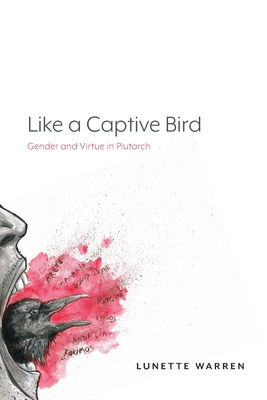
Like a Captive Bird: Gender and Virtue in Plutarch
Like a Captive Bird is an examination of the educational methods employed in Plutarch's work to regulate the expression of identity in women and men. I argue that psychagogy is a practice of self-formation that embeds a power dynamic of submission and domination in the psyche. Plutarch theorises a relatively complex system of gender variation that is entwined with other forms of difference, including ethnicity, class and sex. This process is not limited by genre, and therefore I have taken a broad view of Plutarch's work as ideologically coherent even if written at different developmental stages of his life. The chapters address a wide array of questions around audience, philosophical therapeutics, conjugality, tensions between real and ideal in Plutarch's work, the formation of the self as a gendered subject, the ontology of gender and the origin of evil, and the role of women and gendered others in the biographies. I argue that gender is a flexible mode of being that expresses a relation between body and soul, in other words that gender and virtue are inextricably linked. Plutarch connects the expression of virtue with reproductive role, yet also recognises the fluidity of the soul's action in the body, a condition which he defines as vicious and metaphysically incomplete because it causes difference. As a result, the expression of gender is also an expression of a moral condition that signifies relationships of power, especially that between the husband and wife. These categories of identification are politically charged, mutually constitutive and relatively fluid. In arguing for women's ability to attain masculine virtue, Plutarch inadvertently theorises a third type of person whose gender is non-normative and therefore immoral. Doing so functions as a (re)distribution of power which allows some women to dominate other women and in rare cases men too.
PRP: 223.12 Lei

Acesta este Prețul Recomandat de Producător. Prețul de vânzare al produsului este afișat mai jos.
200.81Lei
200.81Lei
223.12 LeiPrimești 200 puncte

Livrare in 2-4 saptamani
Descrierea produsului
Like a Captive Bird is an examination of the educational methods employed in Plutarch's work to regulate the expression of identity in women and men. I argue that psychagogy is a practice of self-formation that embeds a power dynamic of submission and domination in the psyche. Plutarch theorises a relatively complex system of gender variation that is entwined with other forms of difference, including ethnicity, class and sex. This process is not limited by genre, and therefore I have taken a broad view of Plutarch's work as ideologically coherent even if written at different developmental stages of his life. The chapters address a wide array of questions around audience, philosophical therapeutics, conjugality, tensions between real and ideal in Plutarch's work, the formation of the self as a gendered subject, the ontology of gender and the origin of evil, and the role of women and gendered others in the biographies. I argue that gender is a flexible mode of being that expresses a relation between body and soul, in other words that gender and virtue are inextricably linked. Plutarch connects the expression of virtue with reproductive role, yet also recognises the fluidity of the soul's action in the body, a condition which he defines as vicious and metaphysically incomplete because it causes difference. As a result, the expression of gender is also an expression of a moral condition that signifies relationships of power, especially that between the husband and wife. These categories of identification are politically charged, mutually constitutive and relatively fluid. In arguing for women's ability to attain masculine virtue, Plutarch inadvertently theorises a third type of person whose gender is non-normative and therefore immoral. Doing so functions as a (re)distribution of power which allows some women to dominate other women and in rare cases men too.
Detaliile produsului