








Omnisubjectivity: An Essay on God and Subjectivity
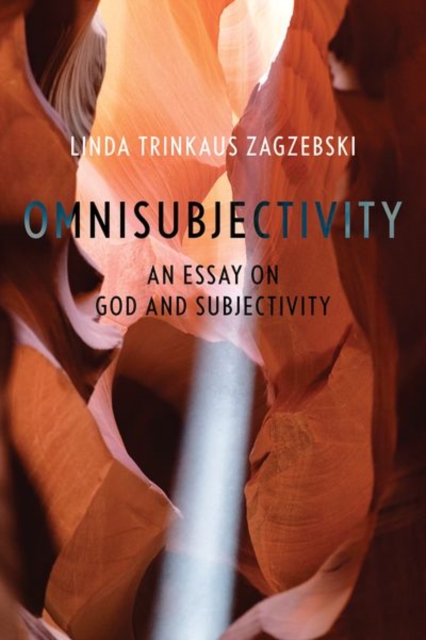
Omnisubjectivity: An Essay on God and Subjectivity
Linda Trinkaus Zagzebski here explains and defends the idea that the God of the monotheistic religions does not only know all objective facts, but he also perfectly grasps the conscious states of all conscious beings from their own point of view. She calls that property omnisubjectivity. God not only knows that you are in pain, for instance, but is present in your pain, grasping your pain the way you grasp it. The same point applies to every feeling, every belief, every thought, every desire you have. It also applies to the conscious states of animals. Zagzebski begins with an account of what subjectivity is and why it differs from anything in the objective world, then argues that omnisubjectivity is entailed by divine omniscience and omnipresence, divine love and justice, and practices of prayer. She offers three models of how omnisubjectivity is possible: the empathy model, the perceptual model, and panentheism. She answers objections that it is incompatible with other attributes such as timelessness, immutability, impassibility, divine goodness, divine holiness, and infinity. She extends the account of omnisubjectivity to the divine grasp of possible but non-actual subjective states, arguing that God grasps all possible subjective states of all possible conscious beings in his imagination. She then applies the conclusions of the book to the doctrines of the Trinity, the Incarnation, and the inspiration of the Holy Spirit. Many arguments in the book apply to all the monotheistic religions and some arguments apply to monotheistic Hinduism. The book concludes with the claim that subjectivity is primary in the universe. God is intrinsically subjectivity and intersubjectivity. Objectivity is being from the outside viewpoint, and it exists only relative to the created world.
PRP: 208.44 Lei

Acesta este Prețul Recomandat de Producător. Prețul de vânzare al produsului este afișat mai jos.
187.60Lei
187.60Lei
208.44 LeiPrimești 187 puncte

Indisponibil
Descrierea produsului
Linda Trinkaus Zagzebski here explains and defends the idea that the God of the monotheistic religions does not only know all objective facts, but he also perfectly grasps the conscious states of all conscious beings from their own point of view. She calls that property omnisubjectivity. God not only knows that you are in pain, for instance, but is present in your pain, grasping your pain the way you grasp it. The same point applies to every feeling, every belief, every thought, every desire you have. It also applies to the conscious states of animals. Zagzebski begins with an account of what subjectivity is and why it differs from anything in the objective world, then argues that omnisubjectivity is entailed by divine omniscience and omnipresence, divine love and justice, and practices of prayer. She offers three models of how omnisubjectivity is possible: the empathy model, the perceptual model, and panentheism. She answers objections that it is incompatible with other attributes such as timelessness, immutability, impassibility, divine goodness, divine holiness, and infinity. She extends the account of omnisubjectivity to the divine grasp of possible but non-actual subjective states, arguing that God grasps all possible subjective states of all possible conscious beings in his imagination. She then applies the conclusions of the book to the doctrines of the Trinity, the Incarnation, and the inspiration of the Holy Spirit. Many arguments in the book apply to all the monotheistic religions and some arguments apply to monotheistic Hinduism. The book concludes with the claim that subjectivity is primary in the universe. God is intrinsically subjectivity and intersubjectivity. Objectivity is being from the outside viewpoint, and it exists only relative to the created world.
Detaliile produsului