








- /
- Librarie online
- /
- Carti in engleza
- /
- Religion
- /
- Biblical Studies
- /
- Paul's Letters
- /
- Persecution and Cosmic Conflict - Joshua Caleb Hutchens
Persecution and Cosmic Conflict
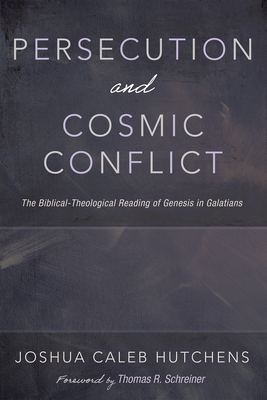
Persecution and Cosmic Conflict
""But just as then the child born as a result of the flesh persecuted the one born as a result of the Spirit, so also now"" (Gal 4:29 CSB). Why do God's people suffer? In Galatians, Paul makes an argument from persecution for the authenticity of his gospel. Persecution demonstrates that Paul and the Galatians belong to God and have believed in the divinely revealed gospel. While Paul does not offer an explicit theodicy in Galatians, his argument from persecution requires an implicit one. Paul's theodicy can primarily be understood through his interpretation of earlier Scripture, especially the story of Isaac and Ishmael in Genesis. In Persecution and Cosmic Conflict, Joshua Caleb Hutchens examines the theme of persecution in Galatians and Paul's theological context in earlier Scriptures and early Judaism. Hutchens argues that Paul sees persecution as a manifestation of the cosmic conflict between God in Christ and the present evil age. Paul argues for this by appealing to earlier Scripture in Genesis. Hutchens offers a biblical-theological reading of Genesis that makes sense of Paul's usage of the book in Galatians.
"But just as then the child born as a result of the flesh persecuted the one born as a result of the Spirit, so also now" (Gal 4:29 CSB). Why do God's people suffer? In Galatians, Paul makes an argument from persecution for the authenticity of his gospel. Persecution demonstrates that Paul and the Galatians belong to God and have believed in the divinely revealed gospel. While Paul does not offer an explicit theodicy in Galatians, his argument from persecution requires an implicit one. Paul's theodicy can primarily be understood through his interpretation of earlier Scripture, especially the story of Isaac and Ishmael in Genesis. In Persecution and Cosmic Conflict, Joshua Caleb Hutchens examines the theme of persecution in Galatians and Paul's theological context in earlier Scriptures and early Judaism. Hutchens argues that Paul sees persecution as a manifestation of the cosmic conflict between God in Christ and the present evil age. Paul argues for this by appealing to earlier Scripture in Genesis. Hutchens offers a biblical-theological reading of Genesis that makes sense of Paul's usage of the book in Galatians.
"But just as then the child born as a result of the flesh persecuted the one born as a result of the Spirit, so also now" (Gal 4:29 CSB). Why do God's people suffer? In Galatians, Paul makes an argument from persecution for the authenticity of his gospel. Persecution demonstrates that Paul and the Galatians belong to God and have believed in the divinely revealed gospel. While Paul does not offer an explicit theodicy in Galatians, his argument from persecution requires an implicit one. Paul's theodicy can primarily be understood through his interpretation of earlier Scripture, especially the story of Isaac and Ishmael in Genesis. In Persecution and Cosmic Conflict, Joshua Caleb Hutchens examines the theme of persecution in Galatians and Paul's theological context in earlier Scriptures and early Judaism. Hutchens argues that Paul sees persecution as a manifestation of the cosmic conflict between God in Christ and the present evil age. Paul argues for this by appealing to earlier Scripture in Genesis. Hutchens offers a biblical-theological reading of Genesis that makes sense of Paul's usage of the book in Galatians.
PRP: 198.40 Lei

Acesta este Prețul Recomandat de Producător. Prețul de vânzare al produsului este afișat mai jos.
158.72Lei
158.72Lei
198.40 LeiPrimești 158 puncte

Livrare in 2-4 saptamani
Descrierea produsului
""But just as then the child born as a result of the flesh persecuted the one born as a result of the Spirit, so also now"" (Gal 4:29 CSB). Why do God's people suffer? In Galatians, Paul makes an argument from persecution for the authenticity of his gospel. Persecution demonstrates that Paul and the Galatians belong to God and have believed in the divinely revealed gospel. While Paul does not offer an explicit theodicy in Galatians, his argument from persecution requires an implicit one. Paul's theodicy can primarily be understood through his interpretation of earlier Scripture, especially the story of Isaac and Ishmael in Genesis. In Persecution and Cosmic Conflict, Joshua Caleb Hutchens examines the theme of persecution in Galatians and Paul's theological context in earlier Scriptures and early Judaism. Hutchens argues that Paul sees persecution as a manifestation of the cosmic conflict between God in Christ and the present evil age. Paul argues for this by appealing to earlier Scripture in Genesis. Hutchens offers a biblical-theological reading of Genesis that makes sense of Paul's usage of the book in Galatians.
"But just as then the child born as a result of the flesh persecuted the one born as a result of the Spirit, so also now" (Gal 4:29 CSB). Why do God's people suffer? In Galatians, Paul makes an argument from persecution for the authenticity of his gospel. Persecution demonstrates that Paul and the Galatians belong to God and have believed in the divinely revealed gospel. While Paul does not offer an explicit theodicy in Galatians, his argument from persecution requires an implicit one. Paul's theodicy can primarily be understood through his interpretation of earlier Scripture, especially the story of Isaac and Ishmael in Genesis. In Persecution and Cosmic Conflict, Joshua Caleb Hutchens examines the theme of persecution in Galatians and Paul's theological context in earlier Scriptures and early Judaism. Hutchens argues that Paul sees persecution as a manifestation of the cosmic conflict between God in Christ and the present evil age. Paul argues for this by appealing to earlier Scripture in Genesis. Hutchens offers a biblical-theological reading of Genesis that makes sense of Paul's usage of the book in Galatians.
"But just as then the child born as a result of the flesh persecuted the one born as a result of the Spirit, so also now" (Gal 4:29 CSB). Why do God's people suffer? In Galatians, Paul makes an argument from persecution for the authenticity of his gospel. Persecution demonstrates that Paul and the Galatians belong to God and have believed in the divinely revealed gospel. While Paul does not offer an explicit theodicy in Galatians, his argument from persecution requires an implicit one. Paul's theodicy can primarily be understood through his interpretation of earlier Scripture, especially the story of Isaac and Ishmael in Genesis. In Persecution and Cosmic Conflict, Joshua Caleb Hutchens examines the theme of persecution in Galatians and Paul's theological context in earlier Scriptures and early Judaism. Hutchens argues that Paul sees persecution as a manifestation of the cosmic conflict between God in Christ and the present evil age. Paul argues for this by appealing to earlier Scripture in Genesis. Hutchens offers a biblical-theological reading of Genesis that makes sense of Paul's usage of the book in Galatians.
Detaliile produsului




