



- /
- Librarie online
- /
- Carti in engleza
- /
- Art
- /
- Russian & Former Soviet Union
- /
- Picturing Russia's Men: Masculinity and Modernity in Nineteenth-Century Painting - Allison Leigh
Picturing Russia's Men: Masculinity and Modernity in Nineteenth-Century Painting
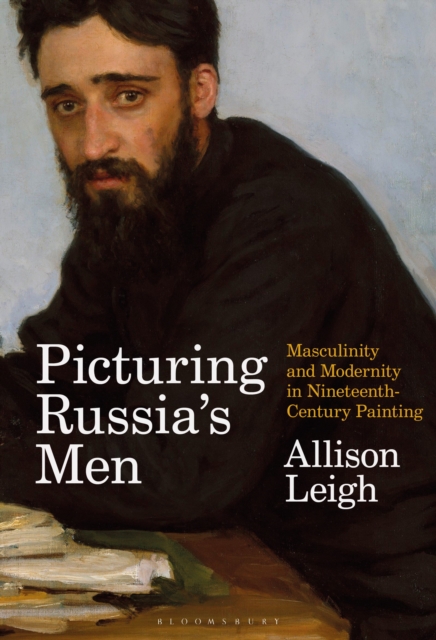
Picturing Russia's Men: Masculinity and Modernity in Nineteenth-Century Painting
Winner of the Heldt Prize for Best Book in Slavic, East European, and Eurasian Women's and Gender Studies 2021
There was a discontent among Russian men in the nineteenth century that sometimes did not stem from poverty, loss, or the threat of war, but instead arose from trying to negotiate the paradoxical prescriptions for masculinity which characterized the era. Picturing Russia's Men takes a vital new approach to this topic within masculinity and art historical studies by investigating the dissatisfaction that developed from the breakdown in prevailing conceptions of manhood outside of the usual Western European and American contexts. By exploring how Russian painters depicted gender norms as they were evolving over the course of the century, each chapter shows how artworks provide unique insight into not only those qualities that were supposed to predominate, but actually did in lived practice. Drawing on a wide variety of source material, including previously untranslated letters, journals, and contemporary criticism, the book explores the deep structures of masculinity to reveal the conflicting desires and aspirations of men in the period. In so doing, readers are introduced to Russian artists such as Karl Briullov, Pavel Fedotov, Alexander Ivanov, Ivan Kramskoi, and Ilia Repin, all of whom produced masterpieces of realist art in dialogue with paintings made in Western European artistic centers. The result is a more culturally discursive account of art-making in the nineteenth century, one that challenges some of the enduring myths of masculinity and provides a fresh interpretive history of what constitutes modernism in the history of art.PRP: 233.91 Lei

Acesta este Prețul Recomandat de Producător. Prețul de vânzare al produsului este afișat mai jos.
210.52Lei
210.52Lei
233.91 LeiPrimești 210 puncte

Livrare in 2-4 saptamani
Descrierea produsului
Winner of the Heldt Prize for Best Book in Slavic, East European, and Eurasian Women's and Gender Studies 2021
There was a discontent among Russian men in the nineteenth century that sometimes did not stem from poverty, loss, or the threat of war, but instead arose from trying to negotiate the paradoxical prescriptions for masculinity which characterized the era. Picturing Russia's Men takes a vital new approach to this topic within masculinity and art historical studies by investigating the dissatisfaction that developed from the breakdown in prevailing conceptions of manhood outside of the usual Western European and American contexts. By exploring how Russian painters depicted gender norms as they were evolving over the course of the century, each chapter shows how artworks provide unique insight into not only those qualities that were supposed to predominate, but actually did in lived practice. Drawing on a wide variety of source material, including previously untranslated letters, journals, and contemporary criticism, the book explores the deep structures of masculinity to reveal the conflicting desires and aspirations of men in the period. In so doing, readers are introduced to Russian artists such as Karl Briullov, Pavel Fedotov, Alexander Ivanov, Ivan Kramskoi, and Ilia Repin, all of whom produced masterpieces of realist art in dialogue with paintings made in Western European artistic centers. The result is a more culturally discursive account of art-making in the nineteenth century, one that challenges some of the enduring myths of masculinity and provides a fresh interpretive history of what constitutes modernism in the history of art.Detaliile produsului