



- /
- Librarie online
- /
- Carti in engleza
- /
- Technology & Engineering
- /
- Military Science
- /
- Post-Cold War Defense Reform: Lessons Learned in Europe and the United States - Istvan Gyarmati
Post-Cold War Defense Reform: Lessons Learned in Europe and the United States
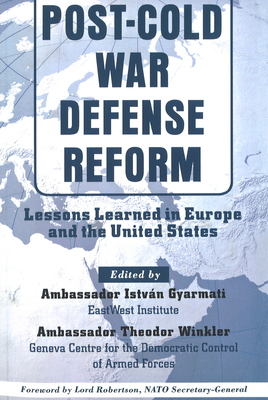
Beginning with the landslide political changes in Europe in the early 1990s, politicians and military planners started to contemplate the possible effects on military postures. Most countries, however, did not enforce plans for post-Cold War reform because they lacked political will and money, their conservative militaries resisted, and they felt no real pressure from any clear and present threat. September 11 was seen in many cases as a loud wake-up call, but nonetheless it did not elicit a clear response. Even in the United States, where calls for defense reform were the strongest, real defense reform seems to be another casualty of the terrorist attacks. Fortunately, debates have begun about the future of military forces, the "revolution in military affairs," and the plans for NATO and European security and defense cooperation. Whether these initial discussions will lead to real strategic thinking, to threat analysis, and finally to a meaningful strategic review is uncertain. This publication serves as a timely contribution to the debate on determining which lessons have, and have not, been learned while suggesting possible courses for the way ahead.
With landslide political changes in Europe in the early 1990s, politicians and military planners started to contemplate their possible effects on military postures. Most countries, however, did not enforce plans for post-Cold War reforms because they lacked political will and money, their conservative militaries resisted, and they felt no real pressure from any clear and present threat. Fortunately, debates have begun about the future of military forces, the "revolution in military affairs," and the plans for NATO and European security and defense cooperation. This publication serves as a timely contribution to the debate on determining which lessons have, and have not, been learned--while suggesting possible courses for the way ahead.
PRP: 248.00 Lei

Acesta este Prețul Recomandat de Producător. Prețul de vânzare al produsului este afișat mai jos.
223.20Lei
223.20Lei
248.00 LeiPrimești 223 puncte

Livrare in 2-4 saptamani
Descrierea produsului
Beginning with the landslide political changes in Europe in the early 1990s, politicians and military planners started to contemplate the possible effects on military postures. Most countries, however, did not enforce plans for post-Cold War reform because they lacked political will and money, their conservative militaries resisted, and they felt no real pressure from any clear and present threat. September 11 was seen in many cases as a loud wake-up call, but nonetheless it did not elicit a clear response. Even in the United States, where calls for defense reform were the strongest, real defense reform seems to be another casualty of the terrorist attacks. Fortunately, debates have begun about the future of military forces, the "revolution in military affairs," and the plans for NATO and European security and defense cooperation. Whether these initial discussions will lead to real strategic thinking, to threat analysis, and finally to a meaningful strategic review is uncertain. This publication serves as a timely contribution to the debate on determining which lessons have, and have not, been learned while suggesting possible courses for the way ahead.
With landslide political changes in Europe in the early 1990s, politicians and military planners started to contemplate their possible effects on military postures. Most countries, however, did not enforce plans for post-Cold War reforms because they lacked political will and money, their conservative militaries resisted, and they felt no real pressure from any clear and present threat. Fortunately, debates have begun about the future of military forces, the "revolution in military affairs," and the plans for NATO and European security and defense cooperation. This publication serves as a timely contribution to the debate on determining which lessons have, and have not, been learned--while suggesting possible courses for the way ahead.
Detaliile produsului