- /
- Librarie online
- /
- Carti in engleza
- /
- Computers
- /
- Software Development & Engineering
- /
- General
- /
- Requirements Engineering: Fundamentals, Principles, and Techniques - Klaus Pohl
Requirements Engineering: Fundamentals, Principles, and Techniques
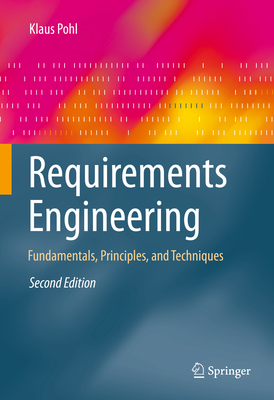
Requirements Engineering: Fundamentals, Principles, and Techniques
This textbook provides a comprehensive and well-structured introduction to the fundamentals, principles, and techniques of requirements engineering (RE). It presents approved techniques for eliciting, negotiating, and documenting as well as validating, and managing requirements for software-intensive systems. The various aspects of the process and the techniques are illustrated using numerous examples based on extensive teaching experience and industrial collaborations.
The book is structured in five parts. Part I “Fundamentals and Framework” provides a comprehensive introduction to the fundamentals of RE, illustrates why it is a critical success factor for any software development project, and describes different ways of implementing it in an organization and its role in different software engineering process models. Part II “Requirements Engineering Context” explains the essential role and influence of the RE context on system requirements, defines basic terms,and introduces the concept of context perspectives to support context consideration. Part III “Core Activities” describes requirements elicitation, documentation, and negotiation and conflict resolution strategies. Part IV “Requirements Artefacts” explains the management of goals, scenarios, and solution-oriented requirements, including methodologies like i* and KAOS. Eventually, Part V “Cross-Sectional Activities” details four validation and three management activities. This second edition of Pohl’s widely used and trusted textbook provides a considerable number of updates, places a stronger focus on the consideration of the context, puts a stronger emphasis on conflict resolution, and includes new, expanded and revised techniques.
 24-48h
PRP: 929.91 Lei

Acesta este Prețul Recomandat de Producător. Prețul de vânzare al produsului este afișat mai jos.
464.95Lei
464.95Lei
929.91 LeiPrimești 464 puncte

În stoc

Comandă până la 14:00:
Estimare livrare mâine, 21 octombrie
Descrierea produsului
This textbook provides a comprehensive and well-structured introduction to the fundamentals, principles, and techniques of requirements engineering (RE). It presents approved techniques for eliciting, negotiating, and documenting as well as validating, and managing requirements for software-intensive systems. The various aspects of the process and the techniques are illustrated using numerous examples based on extensive teaching experience and industrial collaborations.
The book is structured in five parts. Part I “Fundamentals and Framework” provides a comprehensive introduction to the fundamentals of RE, illustrates why it is a critical success factor for any software development project, and describes different ways of implementing it in an organization and its role in different software engineering process models. Part II “Requirements Engineering Context” explains the essential role and influence of the RE context on system requirements, defines basic terms,and introduces the concept of context perspectives to support context consideration. Part III “Core Activities” describes requirements elicitation, documentation, and negotiation and conflict resolution strategies. Part IV “Requirements Artefacts” explains the management of goals, scenarios, and solution-oriented requirements, including methodologies like i* and KAOS. Eventually, Part V “Cross-Sectional Activities” details four validation and three management activities. This second edition of Pohl’s widely used and trusted textbook provides a considerable number of updates, places a stronger focus on the consideration of the context, puts a stronger emphasis on conflict resolution, and includes new, expanded and revised techniques.
Detaliile produsului