



- /
- Librarie online
- /
- Carti in engleza
- /
- Religion
- /
- Biblical Studies
- /
- Old Testament
- /
- Shades of Sheol: Death and Afterlife in the Old Testament - Philip S. Johnston
Shades of Sheol: Death and Afterlife in the Old Testament
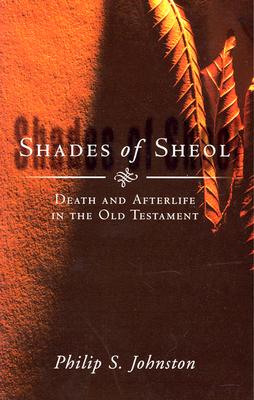
Shades of Sheol: Death and Afterlife in the Old Testament
"For in death there is no remembrance of you; in Sheol who can give you praise?" (Psalm 6:5) Death is a profound and complex subject. How did the Israelites respond to it? The dead apparently went to Sheol. Where and what was it? The inhabitants of Sheol are sometimes called "shades." What does this indicate? Many ancient peoples venerated their ancestors. Did Israelites do this? Did anyone hope for a positive afterlife? If so, in what form? What about resurrection? How and when did this belief emerge? Philip S. Johnston explores these and other issues. He examines Israelite views on death and afterlife as reflected in the Hebrew Bible and in material remains, and sets them in their cultural, literary and theological contexts.
Johnston argues in detail that the Israelites were not as preoccupied with the underworld or the dead as some scholars have recently alleged. Instead, their faith that Yahweh was the God of the living, and that Sheol was cut off from him, led eventually to the hope of a positive afterlife.
This important study sheds fresh light on Israelite beliefs in an area central to the later development of the Christian faith.
"For in death there is no remembrance of you; in Sheol who can give you praise?" (Psalm 6:5) Death is a profound and complex subject. How did the Israelites respond to it?The dead apparently went to Sheol. Where and what was it?The inhabitants of Sheol are sometimes called "shades." What does this indicate?Many ancient peoples venerated their ancestors. Did Israelites do this?Did anyone hope for a positive afterlife? If so, in what form?What about resurrection? How and when did this belief emerge? Philip S. Johnston explores these and other issues. He examines Israelite views on death and afterlife as reflected in the Hebrew Bible and in material remains, and sets them in their cultural, literary and theological contexts. Johnston argues in detail that the Israelites were not as preoccupied with the underworld or the dead as some scholars have recently alleged. Instead, their faith that Yahweh was the God of the living, and that Sheol was cut off from him, led eventually to the hope of a positive afterlife. This important study sheds fresh light on Israelite beliefs in an area central to the later development of the Christian faith.
"For in death there is no remembrance of you; in Sheol who can give you praise?" (Psalm 6:5) Death is a profound and complex subject. How did the Israelites respond to it?Th
PRP: 229.34 Lei

Acesta este Prețul Recomandat de Producător. Prețul de vânzare al produsului este afișat mai jos.
206.41Lei
206.41Lei
229.34 LeiPrimești 206 puncte

Indisponibil
Descrierea produsului
"For in death there is no remembrance of you; in Sheol who can give you praise?" (Psalm 6:5) Death is a profound and complex subject. How did the Israelites respond to it? The dead apparently went to Sheol. Where and what was it? The inhabitants of Sheol are sometimes called "shades." What does this indicate? Many ancient peoples venerated their ancestors. Did Israelites do this? Did anyone hope for a positive afterlife? If so, in what form? What about resurrection? How and when did this belief emerge? Philip S. Johnston explores these and other issues. He examines Israelite views on death and afterlife as reflected in the Hebrew Bible and in material remains, and sets them in their cultural, literary and theological contexts.
Johnston argues in detail that the Israelites were not as preoccupied with the underworld or the dead as some scholars have recently alleged. Instead, their faith that Yahweh was the God of the living, and that Sheol was cut off from him, led eventually to the hope of a positive afterlife.
This important study sheds fresh light on Israelite beliefs in an area central to the later development of the Christian faith.
"For in death there is no remembrance of you; in Sheol who can give you praise?" (Psalm 6:5) Death is a profound and complex subject. How did the Israelites respond to it?The dead apparently went to Sheol. Where and what was it?The inhabitants of Sheol are sometimes called "shades." What does this indicate?Many ancient peoples venerated their ancestors. Did Israelites do this?Did anyone hope for a positive afterlife? If so, in what form?What about resurrection? How and when did this belief emerge? Philip S. Johnston explores these and other issues. He examines Israelite views on death and afterlife as reflected in the Hebrew Bible and in material remains, and sets them in their cultural, literary and theological contexts. Johnston argues in detail that the Israelites were not as preoccupied with the underworld or the dead as some scholars have recently alleged. Instead, their faith that Yahweh was the God of the living, and that Sheol was cut off from him, led eventually to the hope of a positive afterlife. This important study sheds fresh light on Israelite beliefs in an area central to the later development of the Christian faith.
"For in death there is no remembrance of you; in Sheol who can give you praise?" (Psalm 6:5) Death is a profound and complex subject. How did the Israelites respond to it?Th
Detaliile produsului