



- /
- Librarie online
- /
- Carti in engleza
- /
- Body, Mind & Spirit
- /
- Meditation
- /
- Shandilya Upanishad: Timeless Teachings on the Eightfold Path of Yoga - Ruth Perini
Shandilya Upanishad: Timeless Teachings on the Eightfold Path of Yoga
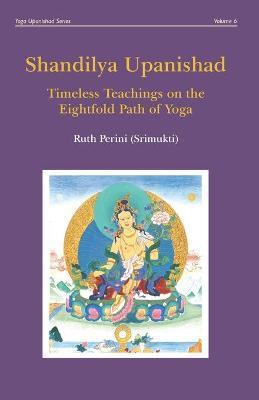
Shandilya Upanishad: Timeless Teachings on the Eightfold Path of Yoga
Shandilya Upanishad is the sixth volume of the Yoga Upanishads series. The Śāṇḍilya Upaniṣad is connected with the Atharva Veda. It commences with the yogin invoking Rāma to guide him along the eightfold path of yoga to liberation.In the first verse of chapter one, Śāṇḍilya asks Atharvan to instruct him in the eight limbed path of yoga, with the aim of reaching the true Self. Śāṇḍilya himself was a Rishi with many disciples, and was the progenitor of the Śāṇḍilya lineage. Atharvan was a Vedic rishi, who, together with Angiras, is said to have revealed the Atharva Veda, and was the first to perform yagña, fire oblations. The first two sections describe the foundations of yoga, yama and niyama, external and internal restraints. Section three describes the eight āsanas, which, as well as having physical, mental and energic benefits, prepare the body for sitting still for a long time in meditation without discomfort.Later sections describe the fourteen main nāḍīs, ten vāyus, maṇipura cakra and kuṇḍalinī of the subtle or pranic body. The methods of purification of the nāḍīs are described in great detail, as purification is considered necessary for the higher stages of concentration (dhāraṇā) and meditation (dhyāna). The prerequisites for yoga practice are listed. A meditation on agni maṇḍala is given. Prāṇāyāma is defined as AUM, and the practice of nāḍī śodhana prāṇāyāma with emphasis on kumbhaka and the effects of the practice are described in detail.Teachings are then given on khecarī and vaiṣṇavī mudrā, control of prāṇa, awakening kuṇḍalinī, saṃyama, pratyāhāraḥ, dhāraṇā, dhyāna and samādhi. The necessity of both yoga and jñāna for liberation is emphasised.Chapter two has sections on knowledge of Brahman, creation of the universe, the names of Brahman, and Dattātreya.
PRP: 118.19 Lei

Acesta este Prețul Recomandat de Producător. Prețul de vânzare al produsului este afișat mai jos.
106.37Lei
106.37Lei
118.19 LeiPrimești 106 puncte

Livrare in 2-4 saptamani
Descrierea produsului
Shandilya Upanishad is the sixth volume of the Yoga Upanishads series. The Śāṇḍilya Upaniṣad is connected with the Atharva Veda. It commences with the yogin invoking Rāma to guide him along the eightfold path of yoga to liberation.In the first verse of chapter one, Śāṇḍilya asks Atharvan to instruct him in the eight limbed path of yoga, with the aim of reaching the true Self. Śāṇḍilya himself was a Rishi with many disciples, and was the progenitor of the Śāṇḍilya lineage. Atharvan was a Vedic rishi, who, together with Angiras, is said to have revealed the Atharva Veda, and was the first to perform yagña, fire oblations. The first two sections describe the foundations of yoga, yama and niyama, external and internal restraints. Section three describes the eight āsanas, which, as well as having physical, mental and energic benefits, prepare the body for sitting still for a long time in meditation without discomfort.Later sections describe the fourteen main nāḍīs, ten vāyus, maṇipura cakra and kuṇḍalinī of the subtle or pranic body. The methods of purification of the nāḍīs are described in great detail, as purification is considered necessary for the higher stages of concentration (dhāraṇā) and meditation (dhyāna). The prerequisites for yoga practice are listed. A meditation on agni maṇḍala is given. Prāṇāyāma is defined as AUM, and the practice of nāḍī śodhana prāṇāyāma with emphasis on kumbhaka and the effects of the practice are described in detail.Teachings are then given on khecarī and vaiṣṇavī mudrā, control of prāṇa, awakening kuṇḍalinī, saṃyama, pratyāhāraḥ, dhāraṇā, dhyāna and samādhi. The necessity of both yoga and jñāna for liberation is emphasised.Chapter two has sections on knowledge of Brahman, creation of the universe, the names of Brahman, and Dattātreya.
Detaliile produsului