- /
- Librarie online
- /
- Carti in engleza
- /
- Religion
- /
- Islam
- /
- Rituals & Practice
- /
- Taleemul Haq: VOLUME THREE - Sunnats of Reciting the Quraan Majeed, Dua, Visiting the Sick, Consoling the Bereaved, Salaam, Jumu'ah, - Mufti Zakariyya Makada
Taleemul Haq: VOLUME THREE - Sunnats of Reciting the Quraan Majeed, Dua, Visiting the Sick, Consoling the Bereaved, Salaam, Jumu'ah,
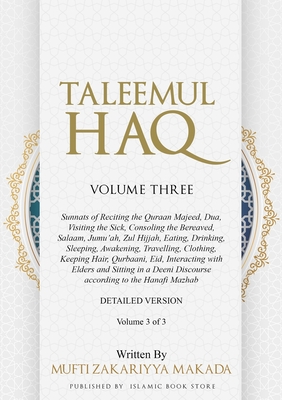
Taleemul Haq: VOLUME THREE - Sunnats of Reciting the Quraan Majeed, Dua, Visiting the Sick, Consoling the Bereaved, Salaam, Jumu'ah,
Ta'leemul Haq - Volume Three Sunnats and Aadaab According to the Hanafi Mazhab Islam is a complete way of life that provides guidance for every aspect of a believer's daily activities. From worship and supplication to eating, sleeping, travelling, interacting with others, and attending religious gatherings, the teachings of Rasulullah (sallallahu alayhi wasallam) offer a practical framework for living a life that is pleasing to Allah Ta'ala. Ta'leemul Haq - Volume Three has been compiled to help Muslims learn and implement the Sunnats and Aadaab (Islamic etiquettes) related to many important aspects of everyday life according to the Hanafi Mazhab. Through authentic teachings, practical guidance, and beneficial reminders, this volume encourages readers to transform ordinary daily actions into acts of worship by following the example of Rasulullah (sallallahu alayhi wasallam). The book begins with the virtues and etiquettes of reciting the Qur'an Majeed, discussing the blessings of homes in which the Qur'an is recited and the immense rewards associated with its recitation. Readers are then introduced to the importance and virtues of Dua, including the occasions and times when supplications are accepted and the characteristics of those whose duas are readily answered. The book also covers the Sunnats and etiquettes of visiting the sick, consoling the bereaved, and greeting others with Salaam, emphasizing the importance of compassion, brotherhood, and maintaining strong social ties within the Muslim community. Special chapters discuss the virtues and etiquettes of Jumu'ah, the blessed days of Zul Hijjah, and the correct Islamic manners related to Qurbani and Eid. Practical guidance is also provided regarding everyday activities such as eating, drinking, sleeping, awakening, travelling, clothing, and keeping the hair, together with the relevant Sunnah duas and adhkaar. In addition, readers will benefit from chapters focusing on respecting and interacting with elders, learning from the exemplary conduct of great scholars such as Imaam Abu Hanifah (rahimahullah), and understanding the etiquettes of sitting in a Deeni discourse or religious gathering. Written in a clear and practical style, this volume serves as an excellent resource for students, teachers, madrasahs, Islamic schools, homeschooling families, and anyone wishing to incorporate the Sunnah into their daily lives. Topics Covered Include: Reciting the Qur'an Majeed Dua Visiting the Sick Consoling the Be
PRP: 100.67 Lei

Acesta este Prețul Recomandat de Producător. Prețul de vânzare al produsului este afișat mai jos.
90.60Lei
90.60Lei
100.67 LeiPrimești 90 puncte

Livrare in 2-4 saptamani
Descrierea produsului
Ta'leemul Haq - Volume Three Sunnats and Aadaab According to the Hanafi Mazhab Islam is a complete way of life that provides guidance for every aspect of a believer's daily activities. From worship and supplication to eating, sleeping, travelling, interacting with others, and attending religious gatherings, the teachings of Rasulullah (sallallahu alayhi wasallam) offer a practical framework for living a life that is pleasing to Allah Ta'ala. Ta'leemul Haq - Volume Three has been compiled to help Muslims learn and implement the Sunnats and Aadaab (Islamic etiquettes) related to many important aspects of everyday life according to the Hanafi Mazhab. Through authentic teachings, practical guidance, and beneficial reminders, this volume encourages readers to transform ordinary daily actions into acts of worship by following the example of Rasulullah (sallallahu alayhi wasallam). The book begins with the virtues and etiquettes of reciting the Qur'an Majeed, discussing the blessings of homes in which the Qur'an is recited and the immense rewards associated with its recitation. Readers are then introduced to the importance and virtues of Dua, including the occasions and times when supplications are accepted and the characteristics of those whose duas are readily answered. The book also covers the Sunnats and etiquettes of visiting the sick, consoling the bereaved, and greeting others with Salaam, emphasizing the importance of compassion, brotherhood, and maintaining strong social ties within the Muslim community. Special chapters discuss the virtues and etiquettes of Jumu'ah, the blessed days of Zul Hijjah, and the correct Islamic manners related to Qurbani and Eid. Practical guidance is also provided regarding everyday activities such as eating, drinking, sleeping, awakening, travelling, clothing, and keeping the hair, together with the relevant Sunnah duas and adhkaar. In addition, readers will benefit from chapters focusing on respecting and interacting with elders, learning from the exemplary conduct of great scholars such as Imaam Abu Hanifah (rahimahullah), and understanding the etiquettes of sitting in a Deeni discourse or religious gathering. Written in a clear and practical style, this volume serves as an excellent resource for students, teachers, madrasahs, Islamic schools, homeschooling families, and anyone wishing to incorporate the Sunnah into their daily lives. Topics Covered Include: Reciting the Qur'an Majeed Dua Visiting the Sick Consoling the Be
Detaliile produsului