



- /
- Librarie online
- /
- Carti in engleza
- /
- Religion
- /
- Ethics
- /
- The Aesthetics of Solidarity: Our Lady of Guadalupe and American Democracy - Nichole M. Flores
The Aesthetics of Solidarity: Our Lady of Guadalupe and American Democracy
How aesthetic religious experiences can create solidarity in marginalized communities
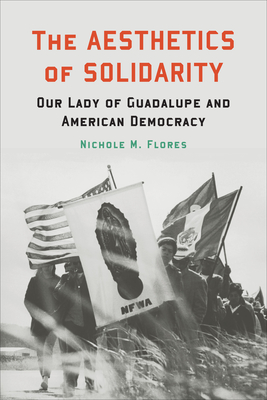
Latine Catholics have used Our Lady of Guadalupe as a symbol in democratic campaigns ranging from the Chicano movement and United Farm Workers' movements to contemporary calls for just immigration reform. In diverse ways, these groups have used Guadalupe's symbol and narrative to critique society's basic structures--including law, policy, and institutions--while seeking to inspire broader participation and representation among marginalized peoples in US democracy.
Yet, from the outside, Guadalupe's symbol is illegible within a liberal political framework that seeks to protect society's basic structures from religious encroachment by relegating religious speech, practices, and symbols to the background.
The Aesthetics of Solidarity argues for the capacity of Our Lady of Guadalupe--and similar religious symbols--to make democratic claims. Author Nichole M. Flores exposes the limitations of political liberalism's aesthetic responses to religious difference, turning instead to Latine theological aesthetics and Catholic social thought to build a framework for interpreting religious symbols in our contemporary pluralistic and participatory democratic life. By offering a lived theology of Chicanx Catholics in Denver, Colorado, and their use of Guadalupe in the pursuit of justice in response to their neighborhood's gentrification, this book provides an important framework for a community of interpretation where members stand in solidarity to respond to justice claims made from diverse religious and cultural communities.
PRP: 309.69 Lei

Acesta este Prețul Recomandat de Producător. Prețul de vânzare al produsului este afișat mai jos.
278.72Lei
278.72Lei
309.69 LeiPrimești 278 puncte

Livrare in 2-4 saptamani
Descrierea produsului
How aesthetic religious experiences can create solidarity in marginalized communities
Latine Catholics have used Our Lady of Guadalupe as a symbol in democratic campaigns ranging from the Chicano movement and United Farm Workers' movements to contemporary calls for just immigration reform. In diverse ways, these groups have used Guadalupe's symbol and narrative to critique society's basic structures--including law, policy, and institutions--while seeking to inspire broader participation and representation among marginalized peoples in US democracy.
Yet, from the outside, Guadalupe's symbol is illegible within a liberal political framework that seeks to protect society's basic structures from religious encroachment by relegating religious speech, practices, and symbols to the background.
The Aesthetics of Solidarity argues for the capacity of Our Lady of Guadalupe--and similar religious symbols--to make democratic claims. Author Nichole M. Flores exposes the limitations of political liberalism's aesthetic responses to religious difference, turning instead to Latine theological aesthetics and Catholic social thought to build a framework for interpreting religious symbols in our contemporary pluralistic and participatory democratic life. By offering a lived theology of Chicanx Catholics in Denver, Colorado, and their use of Guadalupe in the pursuit of justice in response to their neighborhood's gentrification, this book provides an important framework for a community of interpretation where members stand in solidarity to respond to justice claims made from diverse religious and cultural communities.
Detaliile produsului