- /
- Librarie online
- /
- Carti in engleza
- /
- Religion
- /
- Biblical Studies
- /
- History & Culture
- /
- The Ancient Near East in the Nineteenth Century: I. Claiming and Conquering - Kevin M. Mcgeough
The Ancient Near East in the Nineteenth Century: I. Claiming and Conquering
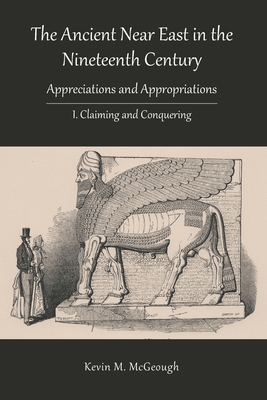
At the beginning of the nineteenth century, little was known of the ancient Near East except for what was preserved in the Bible and Classical literature. By the end of that century, an amazing transformation had occurred: the basic outline of ancient Near Eastern history was now understood and the material culture of the region was recognizable to the general public. This three-volume study explores the various ways by which non-specialists would have encountered ancient Egypt, Mesopotamia, and the Holy Land and how they derived and constructed meaning from those discoveries. McGeough challenges the simplistic view that the experience of the ancient Near East was solely a matter of 'othering' and shows how different people claimed the Near East as their own space and how connections were drawn between the ancient and contemporary worlds.
Volume I traces how the study of the ancient Near East developed into a professional discipline and how interpretative frameworks were gradually standardized throughout the nineteenth century. Some of the best-sellers of the period were accounts of the early explorers of the region and, beginning with the Napoleonic expedition, the book examines how ancient Near Eastern discoveries were communicated to the public. It looks at how archaeological reporting was shaped in this period and how the study of the ancient Near East was employed to understand issues of progress and decline and was referenced in the political and social satire of the period. It also documents the growth of middle-class tourism to the region and considers how the changing experiences of travel impacted Near Eastern studies. Throughout, the book observes how the ancient Near East mirrored and subverted British society and played a role in European and North American thinking about their places in a larger global and historical perspective.
PRP: 243.87 Lei

Acesta este Prețul Recomandat de Producător. Prețul de vânzare al produsului este afișat mai jos.
219.48Lei
219.48Lei
243.87 LeiPrimești 219 puncte

Indisponibil
Descrierea produsului
At the beginning of the nineteenth century, little was known of the ancient Near East except for what was preserved in the Bible and Classical literature. By the end of that century, an amazing transformation had occurred: the basic outline of ancient Near Eastern history was now understood and the material culture of the region was recognizable to the general public. This three-volume study explores the various ways by which non-specialists would have encountered ancient Egypt, Mesopotamia, and the Holy Land and how they derived and constructed meaning from those discoveries. McGeough challenges the simplistic view that the experience of the ancient Near East was solely a matter of 'othering' and shows how different people claimed the Near East as their own space and how connections were drawn between the ancient and contemporary worlds.
Volume I traces how the study of the ancient Near East developed into a professional discipline and how interpretative frameworks were gradually standardized throughout the nineteenth century. Some of the best-sellers of the period were accounts of the early explorers of the region and, beginning with the Napoleonic expedition, the book examines how ancient Near Eastern discoveries were communicated to the public. It looks at how archaeological reporting was shaped in this period and how the study of the ancient Near East was employed to understand issues of progress and decline and was referenced in the political and social satire of the period. It also documents the growth of middle-class tourism to the region and considers how the changing experiences of travel impacted Near Eastern studies. Throughout, the book observes how the ancient Near East mirrored and subverted British society and played a role in European and North American thinking about their places in a larger global and historical perspective.
Detaliile produsului