



- /
- Librarie online
- /
- Carti in engleza
- /
- Religion
- /
- Islam
- /
- Theology
- /
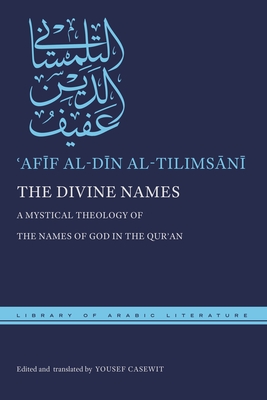
- The Divine Names: A Mystical Theology of the Names of God in the Qurʾan - ʿafīf Al-tilimsānī
The Divine Names: A Mystical Theology of the Names of God in the Qurʾan
The Divine Names: A Mystical Theology of the Names of God in the Qurʾan
A Sufi scholar's philosophical interpretation of the names of God The Divine Names is a philosophically sophisticated commentary on the names of God. Penned by the seventh-/thirteenth-century North African scholar and Sufi poet ʿAfīf al-Dīn al-Tilimsānī, The Divine Names expounds upon the one hundred and forty-six names of God that appear in the Qurʾan, including The All-Merciful, The Powerful, The First, and The Last. In his treatment of each divine name, al-Tilimsānī synthesizes and compares the views of three influential earlier authors, al-Bayhaqī, al-Ghazālī, and Ibn Barrajān. Al-Tilimsānī famously described his two teachers Ibn al-ʿArabī and al-Qūnawī as a "philosophizing mystic" and a "mysticizing philosopher," respectively. Picking up their mantle, al-Tilimsānī merges mysticism and philosophy, combining the tenets of Akbari Sufism with the technical language of Aristotelian, Neoplatonic, and Avicennan philosophy as he explains his logic in a rigorous and concise way. Unlike Ibn al-ʿArabī, his overarching concern is not to examine the names as correspondences between God and creation, but to demonstrate how the names overlap at every level of cosmic existence. The Divine Names shows how a broad range of competing theological and philosophical interpretations can all contain elements of the truth.
A Sufi scholar's philosophical interpretation of the names of God The Divine Names is a philosophically sophisticated commentary on the names of God. Penned by the seventh-/thirteenth-century North African scholar and Sufi poet ʿAfīf al-Dīn al-Tilimsānī, The Divine Names expounds upon the one hundred and forty-six names of God that appear in the Qurʾan, including The All-Merciful, The Powerful, The First, and The Last. In his treatment of each divine name, al-Tilimsānī synthesizes and compares the views of three influential earlier authors, al-Bayhaqī, al-Ghazālī, and Ibn Barrajān. Al-Tilimsānī famously described his two teachers Ibn al-ʿArabī and al-Qūnawī as a "philosophizing mystic" and a "mysticizing philosopher," respectively. Picking up their mantle, al-Tilimsānī merges mysticism and philosophy, combining the tenets of Akbarī Sufism with the technical language of Aristotelian, Neoplatonic, and Avicennan philosophy as he explains his logic in a rigorous and concise way. Unlike Ibn al-ʿArabī, his overarching concern is not to examine the names as correspondences between God and creation, but to demonstrate how the names overlap at every level of cosm
A Sufi scholar's philosophical interpretation of the names of God The Divine Names is a philosophically sophisticated commentary on the names of God. Penned by the seventh-/thirteenth-century North African scholar and Sufi poet ʿAfīf al-Dīn al-Tilimsānī, The Divine Names expounds upon the one hundred and forty-six names of God that appear in the Qurʾan, including The All-Merciful, The Powerful, The First, and The Last. In his treatment of each divine name, al-Tilimsānī synthesizes and compares the views of three influential earlier authors, al-Bayhaqī, al-Ghazālī, and Ibn Barrajān. Al-Tilimsānī famously described his two teachers Ibn al-ʿArabī and al-Qūnawī as a "philosophizing mystic" and a "mysticizing philosopher," respectively. Picking up their mantle, al-Tilimsānī merges mysticism and philosophy, combining the tenets of Akbarī Sufism with the technical language of Aristotelian, Neoplatonic, and Avicennan philosophy as he explains his logic in a rigorous and concise way. Unlike Ibn al-ʿArabī, his overarching concern is not to examine the names as correspondences between God and creation, but to demonstrate how the names overlap at every level of cosm
PRP: 314.13 Lei

Acesta este Prețul Recomandat de Producător. Prețul de vânzare al produsului este afișat mai jos.
282.72Lei
282.72Lei
314.13 LeiPrimești 282 puncte

Livrare in 2-4 saptamani
Descrierea produsului
A Sufi scholar's philosophical interpretation of the names of God The Divine Names is a philosophically sophisticated commentary on the names of God. Penned by the seventh-/thirteenth-century North African scholar and Sufi poet ʿAfīf al-Dīn al-Tilimsānī, The Divine Names expounds upon the one hundred and forty-six names of God that appear in the Qurʾan, including The All-Merciful, The Powerful, The First, and The Last. In his treatment of each divine name, al-Tilimsānī synthesizes and compares the views of three influential earlier authors, al-Bayhaqī, al-Ghazālī, and Ibn Barrajān. Al-Tilimsānī famously described his two teachers Ibn al-ʿArabī and al-Qūnawī as a "philosophizing mystic" and a "mysticizing philosopher," respectively. Picking up their mantle, al-Tilimsānī merges mysticism and philosophy, combining the tenets of Akbari Sufism with the technical language of Aristotelian, Neoplatonic, and Avicennan philosophy as he explains his logic in a rigorous and concise way. Unlike Ibn al-ʿArabī, his overarching concern is not to examine the names as correspondences between God and creation, but to demonstrate how the names overlap at every level of cosmic existence. The Divine Names shows how a broad range of competing theological and philosophical interpretations can all contain elements of the truth.
A Sufi scholar's philosophical interpretation of the names of God The Divine Names is a philosophically sophisticated commentary on the names of God. Penned by the seventh-/thirteenth-century North African scholar and Sufi poet ʿAfīf al-Dīn al-Tilimsānī, The Divine Names expounds upon the one hundred and forty-six names of God that appear in the Qurʾan, including The All-Merciful, The Powerful, The First, and The Last. In his treatment of each divine name, al-Tilimsānī synthesizes and compares the views of three influential earlier authors, al-Bayhaqī, al-Ghazālī, and Ibn Barrajān. Al-Tilimsānī famously described his two teachers Ibn al-ʿArabī and al-Qūnawī as a "philosophizing mystic" and a "mysticizing philosopher," respectively. Picking up their mantle, al-Tilimsānī merges mysticism and philosophy, combining the tenets of Akbarī Sufism with the technical language of Aristotelian, Neoplatonic, and Avicennan philosophy as he explains his logic in a rigorous and concise way. Unlike Ibn al-ʿArabī, his overarching concern is not to examine the names as correspondences between God and creation, but to demonstrate how the names overlap at every level of cosm
A Sufi scholar's philosophical interpretation of the names of God The Divine Names is a philosophically sophisticated commentary on the names of God. Penned by the seventh-/thirteenth-century North African scholar and Sufi poet ʿAfīf al-Dīn al-Tilimsānī, The Divine Names expounds upon the one hundred and forty-six names of God that appear in the Qurʾan, including The All-Merciful, The Powerful, The First, and The Last. In his treatment of each divine name, al-Tilimsānī synthesizes and compares the views of three influential earlier authors, al-Bayhaqī, al-Ghazālī, and Ibn Barrajān. Al-Tilimsānī famously described his two teachers Ibn al-ʿArabī and al-Qūnawī as a "philosophizing mystic" and a "mysticizing philosopher," respectively. Picking up their mantle, al-Tilimsānī merges mysticism and philosophy, combining the tenets of Akbarī Sufism with the technical language of Aristotelian, Neoplatonic, and Avicennan philosophy as he explains his logic in a rigorous and concise way. Unlike Ibn al-ʿArabī, his overarching concern is not to examine the names as correspondences between God and creation, but to demonstrate how the names overlap at every level of cosm
Detaliile produsului