



- /
- Librarie online
- /
- Carti in engleza
- /
- History
- /
- United States
- /
- Civil War Period (1850-1877)
- /
- The Iron Brigade: The History of the Famous Union Army Brigade During the Civil War - Charles River Editors
The Iron Brigade: The History of the Famous Union Army Brigade During the Civil War
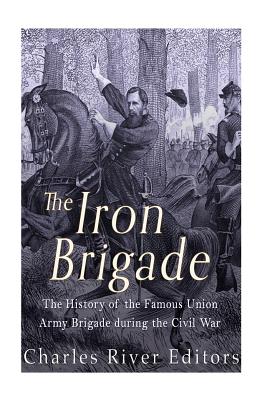
The Iron Brigade: The History of the Famous Union Army Brigade During the Civil War
*Includes pictures *Includes accounts of the fighting by soldiers in the brigade *Includes online resources and a bibliography for further reading *Includes a table of contents "They must be made of iron." - Army of the Potomac commander George McClellan, in reference to the Iron Brigade during the Maryland Campaign The title of "Iron Brigade" has been given to a number of different U.S. Army brigades over the last century and a half, but it has become almost entirely synonymous with the Civil War soldiers who fought in the brigade for the Army of the Potomac. Also known as the "Iron Brigade of the West," "Rufus King's Brigade" and the "Black Hat Brigade," the Iron Brigade was comprised of the 2nd, 6th, and 7th Wisconsin Volunteer Infantry Regiments, the 19th Indiana, Battery B of the 4th U.S. Light Artillery, and later, the 24th Michigan. Wisconsin governor Alexander William Randall had hoped to organize an all-Wisconsin brigade to contribute to the Union's Civil War effort, but the U.S. Army dispersed Wisconsin regiments to different areas as needs arose. Nevertheless, Wisconsin regiments comprised a majority of the brigade, and it would distinguish itself as the only all-Western brigade in the Army of the Potomac. It would come to be recognized for its unique uniforms, strong discipline, and "iron" disposition, earning the name during the Maryland Campaign both for its tenacity and for the costs paid by fighting so hard. Naturally, historians have focused on the battles where the Iron Brigade earned its name and demonstrated its reputation. Renowned Civil War historian Alan T. Nolan wrote and published the most complete military history of the Iron Brigade in 1961, tracing the brigade's activity in the Civil War from the first mustering of Wisconsin regiments to the battle of Gettysburg. Nolan's The Iron Brigade: A Military History served as the authority on Iron Brigade history for decades and called Gettysburg the Iron Brigade's "last stand," arguing that the battle was where the brigade lost its Western character. Since the publication of Nolan's book in 1961, however, new sources-including letters and journals of men in the brigade-have been discovered, providing new depth to the history of the Iron Brigade. Thus, scholars in more recent years have contributed to the history of the Iron Brigade by focusing on the character and contributions of different regiments within the Iron Brigade, or by picking up where Nolan left off at the Battle of Get
PRP: 79.36 Lei

Acesta este Prețul Recomandat de Producător. Prețul de vânzare al produsului este afișat mai jos.
71.42Lei
71.42Lei
79.36 LeiPrimești 71 puncte

Livrare in 2-4 saptamani
Descrierea produsului
*Includes pictures *Includes accounts of the fighting by soldiers in the brigade *Includes online resources and a bibliography for further reading *Includes a table of contents "They must be made of iron." - Army of the Potomac commander George McClellan, in reference to the Iron Brigade during the Maryland Campaign The title of "Iron Brigade" has been given to a number of different U.S. Army brigades over the last century and a half, but it has become almost entirely synonymous with the Civil War soldiers who fought in the brigade for the Army of the Potomac. Also known as the "Iron Brigade of the West," "Rufus King's Brigade" and the "Black Hat Brigade," the Iron Brigade was comprised of the 2nd, 6th, and 7th Wisconsin Volunteer Infantry Regiments, the 19th Indiana, Battery B of the 4th U.S. Light Artillery, and later, the 24th Michigan. Wisconsin governor Alexander William Randall had hoped to organize an all-Wisconsin brigade to contribute to the Union's Civil War effort, but the U.S. Army dispersed Wisconsin regiments to different areas as needs arose. Nevertheless, Wisconsin regiments comprised a majority of the brigade, and it would distinguish itself as the only all-Western brigade in the Army of the Potomac. It would come to be recognized for its unique uniforms, strong discipline, and "iron" disposition, earning the name during the Maryland Campaign both for its tenacity and for the costs paid by fighting so hard. Naturally, historians have focused on the battles where the Iron Brigade earned its name and demonstrated its reputation. Renowned Civil War historian Alan T. Nolan wrote and published the most complete military history of the Iron Brigade in 1961, tracing the brigade's activity in the Civil War from the first mustering of Wisconsin regiments to the battle of Gettysburg. Nolan's The Iron Brigade: A Military History served as the authority on Iron Brigade history for decades and called Gettysburg the Iron Brigade's "last stand," arguing that the battle was where the brigade lost its Western character. Since the publication of Nolan's book in 1961, however, new sources-including letters and journals of men in the brigade-have been discovered, providing new depth to the history of the Iron Brigade. Thus, scholars in more recent years have contributed to the history of the Iron Brigade by focusing on the character and contributions of different regiments within the Iron Brigade, or by picking up where Nolan left off at the Battle of Get
Detaliile produsului