








- /
- Librarie online
- /
- Carti in engleza
- /
- Philosophy
- /
- General
- /
- The Secrets of the Self - A Philosophical Poem - Iqbal
The Secrets of the Self - A Philosophical Poem
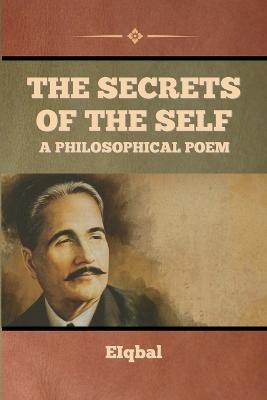
The Secrets of the Self - A Philosophical Poem
Asrar-i-Khudi (The Secrets of the Self; published in Persian, 1915) was the first philosophical poetry book of Allama Iqbal, the great poet-philosopher of British India. This book deals mainly with the individual, while his second book Rumuz-i-Bekhudi discusses the interaction between the individual and society.
Allama Iqbal's first collection of poetry, the Asrar-e-Khudi (Secrets of the Self) in Persian. The poems emphasise the spirit and self from a religious, spiritual perspective. Many critics have called this Iqbal's finest poetic work
In Asrar-e-Khudi, Iqbal has explained his philosophy of "Khudi," or "Self." Iqbal' s use of term "Khudi" is synonymous with the word of "Rooh" as mentioned in the Quran. "Rooh" is that divine spark which is present in every human being and was present in Adam for which God ordered all of the angels to prostrate in front of Adam.
However, one has to make a great journey of transformation to realize that divine spark which Iqbal calls "Khudi". A similitude of this journey could be understood by the relationship of fragrance and seed. Every seed has the potential for fragrance within it. But to reach its fragrance the seed must go through all the different changes and stages. First breaking out of its shell. Then breaking the ground to come into the light developing roots at the same time. Then fighting against the elements to develop leaves and flowers. Finally reaching its pinnacle by attaining the fragrance that was hidden within it.
In the same way, to reach one's khudi or rooh one needs to go through multiple stages which Iqbal himself went through, spiritual path which he encourages others to travel. He notes that not all seeds reach the level of fragrance. Many die along the way, incomplete. In the same way, only few people could climb this Mount Everest of spirituality, most get consumed along the way by materialism. The same concept had been used by the Medieval poet and philosopher Farid ud-Din Attar of Nishapur in his "Mantaq-ul-Tair" ("The Conference of the Birds").
Iqbal proves by various means that the whole universe obeys the will of the "Self." He condemns self-destruction. For him, the aim of life is self-realization and self-knowledge. He charts the stages through which the "Self" has to pass before finally arriving at its point of perfection, enabling the knower of the "Self" to become the vicegerent of God. (wikipedia.org)
PRP: 107.49 Lei

Acesta este Prețul Recomandat de Producător. Prețul de vânzare al produsului este afișat mai jos.
96.74Lei
96.74Lei
107.49 LeiPrimești 96 puncte

Livrare in 2-4 saptamani
Descrierea produsului
Asrar-i-Khudi (The Secrets of the Self; published in Persian, 1915) was the first philosophical poetry book of Allama Iqbal, the great poet-philosopher of British India. This book deals mainly with the individual, while his second book Rumuz-i-Bekhudi discusses the interaction between the individual and society.
Allama Iqbal's first collection of poetry, the Asrar-e-Khudi (Secrets of the Self) in Persian. The poems emphasise the spirit and self from a religious, spiritual perspective. Many critics have called this Iqbal's finest poetic work
In Asrar-e-Khudi, Iqbal has explained his philosophy of "Khudi," or "Self." Iqbal' s use of term "Khudi" is synonymous with the word of "Rooh" as mentioned in the Quran. "Rooh" is that divine spark which is present in every human being and was present in Adam for which God ordered all of the angels to prostrate in front of Adam.
However, one has to make a great journey of transformation to realize that divine spark which Iqbal calls "Khudi". A similitude of this journey could be understood by the relationship of fragrance and seed. Every seed has the potential for fragrance within it. But to reach its fragrance the seed must go through all the different changes and stages. First breaking out of its shell. Then breaking the ground to come into the light developing roots at the same time. Then fighting against the elements to develop leaves and flowers. Finally reaching its pinnacle by attaining the fragrance that was hidden within it.
In the same way, to reach one's khudi or rooh one needs to go through multiple stages which Iqbal himself went through, spiritual path which he encourages others to travel. He notes that not all seeds reach the level of fragrance. Many die along the way, incomplete. In the same way, only few people could climb this Mount Everest of spirituality, most get consumed along the way by materialism. The same concept had been used by the Medieval poet and philosopher Farid ud-Din Attar of Nishapur in his "Mantaq-ul-Tair" ("The Conference of the Birds").
Iqbal proves by various means that the whole universe obeys the will of the "Self." He condemns self-destruction. For him, the aim of life is self-realization and self-knowledge. He charts the stages through which the "Self" has to pass before finally arriving at its point of perfection, enabling the knower of the "Self" to become the vicegerent of God. (wikipedia.org)
Detaliile produsului