








The Souls of Black Folk
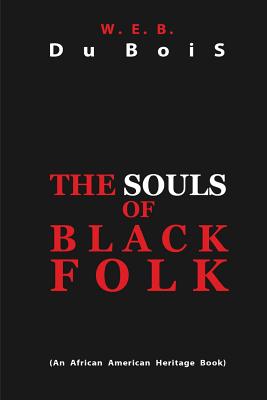
The Souls of Black Folk
The Souls of Black Folk is a classic work of American literature by W. E. B. Du Bois. It is a seminal work in the history of sociology, and a cornerstone of African-American literary history. The book, published in 1903, contains several essays on race, some of which had been previously published in Atlantic Monthly magazine. Du Bois drew from his own experiences to develop this groundbreaking work on being African-American in American society. Outside of its notable place in African-American history, The Souls of Black Folk also holds an important place in social science as one of the early works to deal with sociology. Chapter I lays out an overview of Du Bois's thesis for the book: that the blacks of South need the right to vote, a good education, and to be treated with equality and justice. The first chapter also introduces Du Bois' famous metaphor of the veil. According to Du Bois, this veil is worn by all African-Americans because their view of the world and its potential economic, political, and social opportunities is so vastly different from that of white people. The veil is a visual manifestation of the color line, a problem Du Bois worked his whole life to remedy. Du Bois sublimates the function of the veil when he refers to it as a gift of second sight for African-Americans, thus simultaneously characterizing the veil as both a blessing and a curse. 1] The second chapter, "The Dawn of Freedom" covers the history of the Freedman's Bureau during reconstruction. Chapters III through VI focus on education. Du Bois argues against Booker T. Washington's idea of focusing solely on industrial education for black men, and advocates the addition of a classical education to establish leaders and educators in the black community. Chapters VII through X are sociological studies of the black community. Du Bois investigates the influence that segregation and discrimination have had on the black people. He argues that much of the negative stereotypes of blacks as lazy, violent, and simple-minded are results of the treatment from white people. In "Chapter X: Of the Faith of the Fathers", Du Bois describes the rise of the Black church, and examines the history and contemporary state of religion and spiritualism among African-Americans. The final chapters of the book are devoted to narratives of individuals. "Chapter XI: Of the Passing of the First-Born" tells the story of Du Bois's own son and his untimely death. In the next chapter, the life of Alexander Cr
PRP: 77.11 Lei

Acesta este Prețul Recomandat de Producător. Prețul de vânzare al produsului este afișat mai jos.
69.40Lei
69.40Lei
77.11 LeiPrimești 69 puncte

Indisponibil
Descrierea produsului
The Souls of Black Folk is a classic work of American literature by W. E. B. Du Bois. It is a seminal work in the history of sociology, and a cornerstone of African-American literary history. The book, published in 1903, contains several essays on race, some of which had been previously published in Atlantic Monthly magazine. Du Bois drew from his own experiences to develop this groundbreaking work on being African-American in American society. Outside of its notable place in African-American history, The Souls of Black Folk also holds an important place in social science as one of the early works to deal with sociology. Chapter I lays out an overview of Du Bois's thesis for the book: that the blacks of South need the right to vote, a good education, and to be treated with equality and justice. The first chapter also introduces Du Bois' famous metaphor of the veil. According to Du Bois, this veil is worn by all African-Americans because their view of the world and its potential economic, political, and social opportunities is so vastly different from that of white people. The veil is a visual manifestation of the color line, a problem Du Bois worked his whole life to remedy. Du Bois sublimates the function of the veil when he refers to it as a gift of second sight for African-Americans, thus simultaneously characterizing the veil as both a blessing and a curse. 1] The second chapter, "The Dawn of Freedom" covers the history of the Freedman's Bureau during reconstruction. Chapters III through VI focus on education. Du Bois argues against Booker T. Washington's idea of focusing solely on industrial education for black men, and advocates the addition of a classical education to establish leaders and educators in the black community. Chapters VII through X are sociological studies of the black community. Du Bois investigates the influence that segregation and discrimination have had on the black people. He argues that much of the negative stereotypes of blacks as lazy, violent, and simple-minded are results of the treatment from white people. In "Chapter X: Of the Faith of the Fathers", Du Bois describes the rise of the Black church, and examines the history and contemporary state of religion and spiritualism among African-Americans. The final chapters of the book are devoted to narratives of individuals. "Chapter XI: Of the Passing of the First-Born" tells the story of Du Bois's own son and his untimely death. In the next chapter, the life of Alexander Cr
Detaliile produsului