


- /
- Librarie online
- /
- Carti in engleza
- /
- Technology & Engineering
- /
- Agriculture
- /
- Agronomy
- /
- Soil Science
- /
- Understanding Vineyard Soils - Robert E. White
Understanding Vineyard Soils
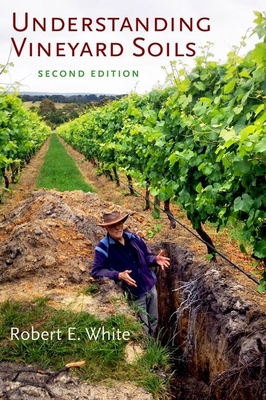
Understanding Vineyard Soils
The first edition of Understanding Vineyard Soils has been praised for its comprehensive coverage of soil topics relevant to viticulture. However, the industry is dynamic--new developments are occurring, especially with respect to measuring soil variability, managing soil water, possible effects of climate change, rootstock breeding and selection, monitoring sustainability, and improving grape quality and the "typicity" of wines. All this is embodied in an increased focus on the terroir or "sense of place" of vineyard sites, with greater emphasis being placed on wine quality relative to quantity in an increasingly competitive world market. The promotion of organic and biodynamic practices has raised a general awareness of "soil health", which is often associated with a soil's biology, but which to be properly assessed must be focused on a soil's physical, chemical, and biological properties. This edition of White's influential book presents the latest updates on these and other
developments in soil management in vineyards. With a minimum of scientific jargon, Understanding Vineyard Soils explains the interaction between soils on a variety of parent materials around the world and grapevine growth and wine typicity. The essential chemical and physical processes involving nutrients, water, oxygen and carbon dioxide, moderated by the activities of soil organisms, are discussed. Methods are proposed for alleviating adverse conditions such as soil acidity, sodicity, compaction, poor drainage, and salinity. The pros and cons of organic viticulture are debated, as are the possible effects of climate change. The author explains how sustainable wine production requires winegrowers to take care of the soil and minimize their impact on the environment. This book is a practical guide for winegrowers and the lay reader who is seeking general information about soils, but who may also wish to pursue in more depth the influence of different soil types on vine performance and wine character.
PRP: 612.48 Lei

Acesta este Prețul Recomandat de Producător. Prețul de vânzare al produsului este afișat mai jos.
551.23Lei
551.23Lei
612.48 LeiPrimești 551 puncte

Livrare in 2-4 saptamani
Descrierea produsului
The first edition of Understanding Vineyard Soils has been praised for its comprehensive coverage of soil topics relevant to viticulture. However, the industry is dynamic--new developments are occurring, especially with respect to measuring soil variability, managing soil water, possible effects of climate change, rootstock breeding and selection, monitoring sustainability, and improving grape quality and the "typicity" of wines. All this is embodied in an increased focus on the terroir or "sense of place" of vineyard sites, with greater emphasis being placed on wine quality relative to quantity in an increasingly competitive world market. The promotion of organic and biodynamic practices has raised a general awareness of "soil health", which is often associated with a soil's biology, but which to be properly assessed must be focused on a soil's physical, chemical, and biological properties. This edition of White's influential book presents the latest updates on these and other
developments in soil management in vineyards. With a minimum of scientific jargon, Understanding Vineyard Soils explains the interaction between soils on a variety of parent materials around the world and grapevine growth and wine typicity. The essential chemical and physical processes involving nutrients, water, oxygen and carbon dioxide, moderated by the activities of soil organisms, are discussed. Methods are proposed for alleviating adverse conditions such as soil acidity, sodicity, compaction, poor drainage, and salinity. The pros and cons of organic viticulture are debated, as are the possible effects of climate change. The author explains how sustainable wine production requires winegrowers to take care of the soil and minimize their impact on the environment. This book is a practical guide for winegrowers and the lay reader who is seeking general information about soils, but who may also wish to pursue in more depth the influence of different soil types on vine performance and wine character.
Detaliile produsului