- /
- Librarie online
- /
- Carti in engleza
- /
- Literary Criticism
- /
- General
- /
- Unquiet Things : Secularism in the Romantic Age - Colin Jager
Unquiet Things : Secularism in the Romantic Age
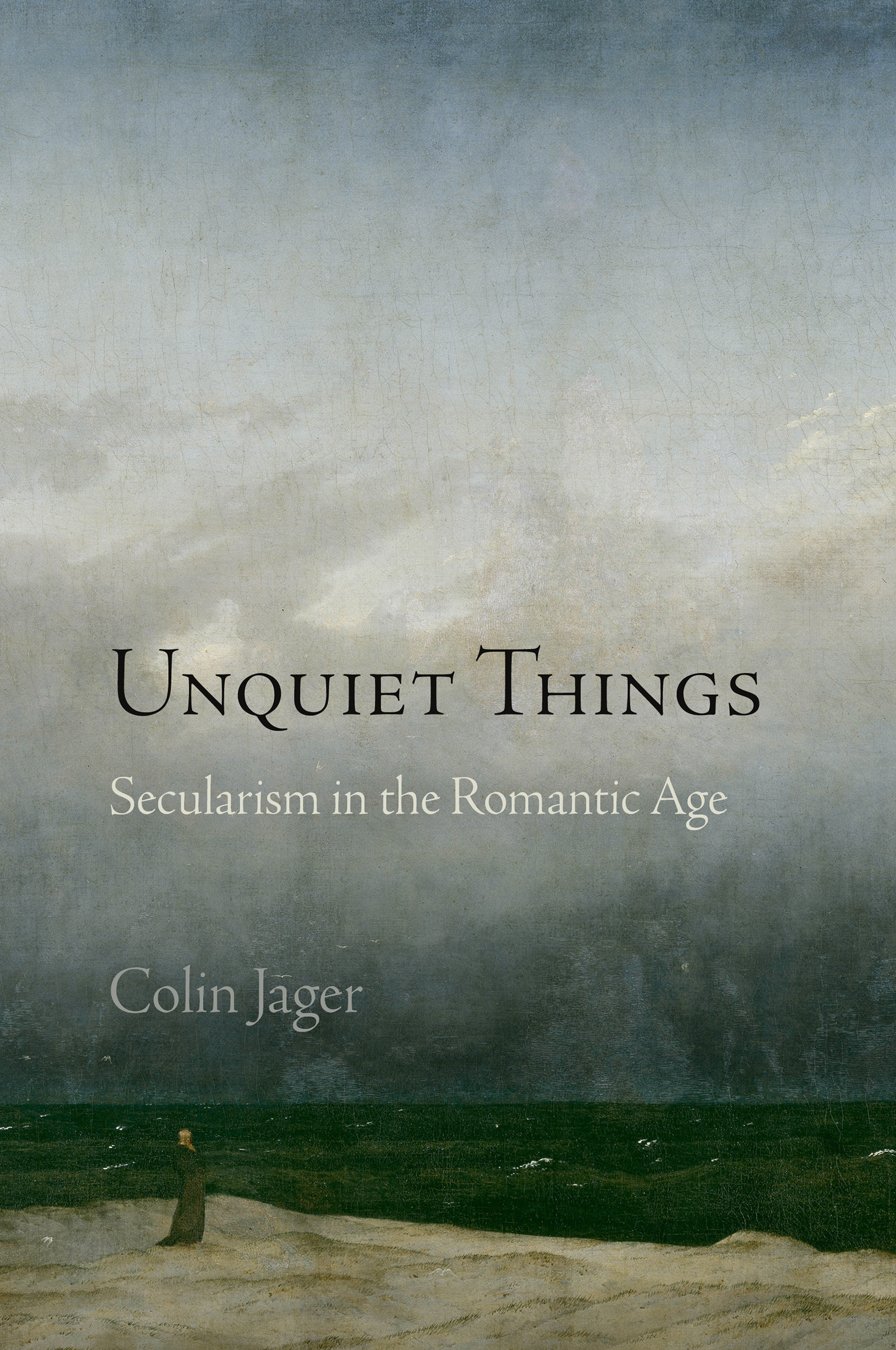

Unquiet Things : Secularism in the Romantic Age
In Great Britain during the Romantic period, governmental and social structures were becoming more secular as religion was privatized and depoliticized. If the discretionary nature of religious practice permitted spiritual freedom and social differentiation, however, secular arrangements produced new anxieties. Unquiet Things investigates the social and political disorders that arise within modern secular cultures and their expression in works by Jane Austen, Horace Walpole, Samuel Taylor Coleridge, Lord Byron, and Percy Shelley among others.
Emphasizing secularism rather than religion as its primary analytic category, Unquiet Things demonstrates that literary writing possesses a distinctive ability to register the discontent that characterizes the mood of secular modernity. Colin Jager places Romantic-era writers within the context of a longer series of transformations begun in the Reformation, and identifies three ways in which romanticism and secularism interact: the melancholic mood brought on by movements of reform, the minoritizing capacity of literature to measure the disturbances produced by new arrangements of state power, and a prospective romantic thinking Jager calls "after the secular." The poems, novels, and letters of the romantic period reveal uneasy traces of the spiritual past, haunted by elements that trouble secular politics; at the same time, they imagine new and more equitable possibilities for the future. In the twenty-first century, Jager contends, we are still living within the terms of the romantic response to secularism, when literature and philosophy first took account of the consequences of modernity.
Emphasizing secularism rather than religion as its primary analytic category, Unquiet Things demonstrates that literary writing possesses a distinctive ability to register the discontent that characterizes the mood of secular modernity. Colin Jager places Romantic-era writers within the context of a longer series of transformations begun in the Reformation, and identifies three ways in which romanticism and secularism interact: the melancholic mood brought on by movements of reform, the minoritizing capacity of literature to measure the disturbances produced by new arrangements of state power, and a prospective romantic thinking Jager calls "after the secular." The poems, novels, and letters of the romantic period reveal uneasy traces of the spiritual past, haunted by elements that trouble secular politics; at the same time, they imagine new and more equitable possibilities for the future. In the twenty-first century, Jager contends, we are still living within the terms of the romantic response to secularism, when literature and philosophy first took account of the consequences of modernity.
 24-48h
PRP: 308.70 Lei

Acesta este Prețul Recomandat de Producător. Prețul de vânzare al produsului este afișat mai jos.
154.35Lei
154.35Lei
308.70 LeiPrimești 154 puncte

În stoc

Estimare livrare marti, 20 octombrie
Descrierea produsului
In Great Britain during the Romantic period, governmental and social structures were becoming more secular as religion was privatized and depoliticized. If the discretionary nature of religious practice permitted spiritual freedom and social differentiation, however, secular arrangements produced new anxieties. Unquiet Things investigates the social and political disorders that arise within modern secular cultures and their expression in works by Jane Austen, Horace Walpole, Samuel Taylor Coleridge, Lord Byron, and Percy Shelley among others.
Emphasizing secularism rather than religion as its primary analytic category, Unquiet Things demonstrates that literary writing possesses a distinctive ability to register the discontent that characterizes the mood of secular modernity. Colin Jager places Romantic-era writers within the context of a longer series of transformations begun in the Reformation, and identifies three ways in which romanticism and secularism interact: the melancholic mood brought on by movements of reform, the minoritizing capacity of literature to measure the disturbances produced by new arrangements of state power, and a prospective romantic thinking Jager calls "after the secular." The poems, novels, and letters of the romantic period reveal uneasy traces of the spiritual past, haunted by elements that trouble secular politics; at the same time, they imagine new and more equitable possibilities for the future. In the twenty-first century, Jager contends, we are still living within the terms of the romantic response to secularism, when literature and philosophy first took account of the consequences of modernity.
Emphasizing secularism rather than religion as its primary analytic category, Unquiet Things demonstrates that literary writing possesses a distinctive ability to register the discontent that characterizes the mood of secular modernity. Colin Jager places Romantic-era writers within the context of a longer series of transformations begun in the Reformation, and identifies three ways in which romanticism and secularism interact: the melancholic mood brought on by movements of reform, the minoritizing capacity of literature to measure the disturbances produced by new arrangements of state power, and a prospective romantic thinking Jager calls "after the secular." The poems, novels, and letters of the romantic period reveal uneasy traces of the spiritual past, haunted by elements that trouble secular politics; at the same time, they imagine new and more equitable possibilities for the future. In the twenty-first century, Jager contends, we are still living within the terms of the romantic response to secularism, when literature and philosophy first took account of the consequences of modernity.
Detaliile produsului