- /
- Librarie online
- /
- Carti in engleza
- /
- Biography & Autobiography
- /
- General
- /
- White on Black - Ruben David Gonzalez Gallego
White on Black
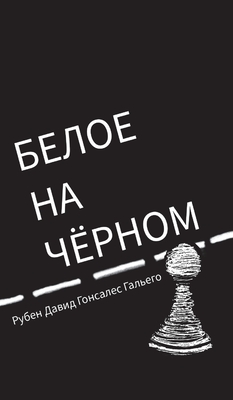
As a child in an orphanage in the Soviet Union, Ruben Gallego dreamed of becoming a kamikaze. He knew he could never be a pilot, because cerebral palsy disabled his hands and feet, but he thought he might become a guided torpedo filled with explosives. I dreamed of stealing up to an enemy aircraft carrier very quietly and pressing the red button. Unable to walk, hidden away, Gallego dreamed of a useful death, because the only fate that seemed likely for him was a useless one. Instead, Gallego has triumphed over his disability and circumstances to write White on Black, a novelized memoir that is itself a kind of torpedo against mistreatment of the handicapped. In addition to his cerebral palsy, Gallego had the ill-luck to have a grandfather who cared more about politics than about his family. Ignacio Gallego, exiled secretary general of the Spanish Communist Party in the 1960s, saw to it that his infant grandson was shut away and told his daughter that the boy was dead. Little Ruben was left entirely to the mercies of a series of underfunded, badly run institutions. As he and the other severely disabled children became too old for orphanages, they were put in old-age homes, where most quickly died. Remarkably, in this collection of vignettes he calls collective images, Gallego focuses not on the horrors, but on what he calls the heroes the children and caretakers who were able to express their humanity despite the tremendous obstacles. In spare prose that underlines the tale's universality, Gallego tells us of the tough, but warm peasant attendants, the mother of a friend who cut through the bureaucratic red tape to provide decent food, the child who smuggled out a letter asking for help.
Most of his caretakers assumed Ruben was stupid because he couldn't walk. But Ruben had a sharp brain, and eventually he was able to make a living as a computer specialist, to find women who would love him and to reunite with his long-lost mother. There's no need to die a useful death when you can live a useful life.
Anne Bartlett is a journalist in Washington, D.C.
PRP: 198.33 Lei

Acesta este Prețul Recomandat de Producător. Prețul de vânzare al produsului este afișat mai jos.
178.50Lei
178.50Lei
198.33 LeiPrimești 178 puncte

Livrare in 2-4 saptamani
Descrierea produsului
As a child in an orphanage in the Soviet Union, Ruben Gallego dreamed of becoming a kamikaze. He knew he could never be a pilot, because cerebral palsy disabled his hands and feet, but he thought he might become a guided torpedo filled with explosives. I dreamed of stealing up to an enemy aircraft carrier very quietly and pressing the red button. Unable to walk, hidden away, Gallego dreamed of a useful death, because the only fate that seemed likely for him was a useless one. Instead, Gallego has triumphed over his disability and circumstances to write White on Black, a novelized memoir that is itself a kind of torpedo against mistreatment of the handicapped. In addition to his cerebral palsy, Gallego had the ill-luck to have a grandfather who cared more about politics than about his family. Ignacio Gallego, exiled secretary general of the Spanish Communist Party in the 1960s, saw to it that his infant grandson was shut away and told his daughter that the boy was dead. Little Ruben was left entirely to the mercies of a series of underfunded, badly run institutions. As he and the other severely disabled children became too old for orphanages, they were put in old-age homes, where most quickly died. Remarkably, in this collection of vignettes he calls collective images, Gallego focuses not on the horrors, but on what he calls the heroes the children and caretakers who were able to express their humanity despite the tremendous obstacles. In spare prose that underlines the tale's universality, Gallego tells us of the tough, but warm peasant attendants, the mother of a friend who cut through the bureaucratic red tape to provide decent food, the child who smuggled out a letter asking for help.
Most of his caretakers assumed Ruben was stupid because he couldn't walk. But Ruben had a sharp brain, and eventually he was able to make a living as a computer specialist, to find women who would love him and to reunite with his long-lost mother. There's no need to die a useful death when you can live a useful life.
Anne Bartlett is a journalist in Washington, D.C.
Detaliile produsului