Countdown header img desk

MAI SUNT 00:00:00:00

MAI SUNT

X

Countdown header img  mob

MAI SUNT 00:00:00:00

MAI SUNT

X

Pathophysiology Cardiovascular and Respiratory Systems

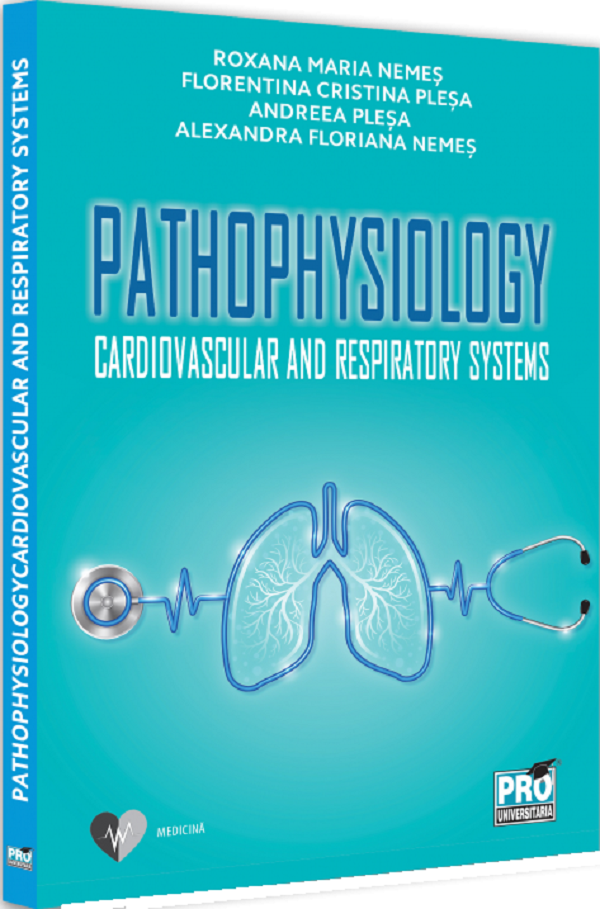
Coperta cărții 'Pathophysiology Cardiovascular and Respiratory Systems - Alexandra Floriana Nemeș, Andreea Pleșa, Nemeș Roxana Maria,'
Rasfoieste
Pathophysiology Cardiovascular and Respiratory Systems
Table of contents:
• Properties of the myocardium
• Electrocardiogram: general aspects
• Pathophysiology of atrial and ventricular overload 
• Pathophysiology of driving disorders
• Pathophysiology of rhythm disorders
• Pathophysiology of cardiac perfusion disorders
• Heart exploration methods
• Exploring the vascular system
• Methods of functional exploration of the respiratory system - spirometry
• References
• ANNEX 1 - Elecetrocariograms
• ANNEX 2 - Spirometries
• ANNEX 3 - ECG interpretation
 
Fragment din cartea "Pathophysiology Cardiovascular and Respiratory Systems" de Alexandra Floriana Nemes, Andreea Plesa, Nemes Roxana Maria, Plesa Florentina Cristina:

Chapter V Pathophysiology of rhythm disorders 
Overview 
Normally, at rest, the heart rhythm is regular, with a heart rate of 60-100 beats/minute and is determined by depolarization of the sinus node :SN) = normal sinus rhythm
- any change in the normal sinus rhythm is called arrhythmia/ dysrhythmia and occurs through:
• the origin of the driving impulse outside the SN;
• rhythm disturbance;
• frequency change;
• impulse conduction impairment.
- arrhythmias can be: paroxysmal; sustained. 
 Arrhythmia can be asymptomatic or with various clinical manifestations such as:
• palpitations with an accelerated or slowed rhythm, regular or irregular, accompanied by unpleasant sensations or even a feeling of imminent death
• dizziness or short-term loss of consciousness (syncope) due to low cardiac output
• chest pain, angina especially in the case of fast-paced arrhythmias that increase oxygen demand over intake (often associated with coronary artery disease) 
• signs of decompensated heart failure or even sudden death in the event of an acute myocardial infarction or life-threatening arrhythmias 
 Arrhythmogenic factors - very important to identify, so that you can treat them D. drugs la ischemia S. sympathotonus H. hypoxia E. electrolitic disturbances S. stretch 
 Investigation of arrhythmias
• ECG- the best investigation for the diagnosis of cardiac arrhythmias;
• rhythm strips- longer routes on one or more derivations (choose the most eloquent derivation);
• Holter ECG over 24-48 hours or up to 2 weeks and recording symptoms in a diary to correlate with the ECG recording;
• ambulatory monitor which registers a derivation, usually precordial;
• event monitor which records about 5 minutes at the request of the patient when he has symptoms; can be implanted subcutaneously for a longer period (one year). 
 
Citește mai mult

-15%

PRP: 47.58 Lei

!

Acesta este Prețul Recomandat de Producător. Prețul de vânzare al produsului este afișat mai jos.

40.44Lei

40.44Lei

47.58 Lei

Primești 40 puncte

Important icon msg

Primești puncte de fidelitate după fiecare comandă! 100 puncte de fidelitate reprezintă 1 leu. Folosește-le la viitoarele achiziții!

În stoc

Livrare

Comandă până la 15:00:

Estimare livrare mâine, 3 iunie

Important icon msg

Acest termen de livrare este estimativ. În cazul perioadelor aglomerate pot apărea întârzieri.

Livrarea produselor din stoc se realizează în decursul a 24-48 de ore (zile lucrătoare) de la plasarea comenzii.

Livrarea cărților în engleză aflate în stocul furnizorilor noștri se realizează în intervalul de 2-4 săptămâni, afișat în pagina de produs. Toate comenzile care conțin un titlu din această categorie vor fi livrate la termenul cel mai îndelungat. În cazul în care dorești împărțirea comenzii, te rugăm să ne contactezi pentru a-ți comunica toate condițiile. Poți găsi aceste informații și în secțiunea Termeni și Condiții.

Plasează rapid comanda

Important icon msg

Poți comanda acest produs introducând numărul tău de telefon. În cel mai scurt timp vei fi apelat de un operator Libris pentru preluarea datelor necesare.

Completează mai jos numărul tău de telefon

Descrierea produsului

Table of contents:
• Properties of the myocardium
• Electrocardiogram: general aspects
• Pathophysiology of atrial and ventricular overload 
• Pathophysiology of driving disorders
• Pathophysiology of rhythm disorders
• Pathophysiology of cardiac perfusion disorders
• Heart exploration methods
• Exploring the vascular system
• Methods of functional exploration of the respiratory system - spirometry
• References
• ANNEX 1 - Elecetrocariograms
• ANNEX 2 - Spirometries
• ANNEX 3 - ECG interpretation
 
Fragment din cartea "Pathophysiology Cardiovascular and Respiratory Systems" de Alexandra Floriana Nemes, Andreea Plesa, Nemes Roxana Maria, Plesa Florentina Cristina:

Chapter V Pathophysiology of rhythm disorders 
Overview 
Normally, at rest, the heart rhythm is regular, with a heart rate of 60-100 beats/minute and is determined by depolarization of the sinus node :SN) = normal sinus rhythm
- any change in the normal sinus rhythm is called arrhythmia/ dysrhythmia and occurs through:
• the origin of the driving impulse outside the SN;
• rhythm disturbance;
• frequency change;
• impulse conduction impairment.
- arrhythmias can be: paroxysmal; sustained. 
 Arrhythmia can be asymptomatic or with various clinical manifestations such as:
• palpitations with an accelerated or slowed rhythm, regular or irregular, accompanied by unpleasant sensations or even a feeling of imminent death
• dizziness or short-term loss of consciousness (syncope) due to low cardiac output
• chest pain, angina especially in the case of fast-paced arrhythmias that increase oxygen demand over intake (often associated with coronary artery disease) 
• signs of decompensated heart failure or even sudden death in the event of an acute myocardial infarction or life-threatening arrhythmias 
 Arrhythmogenic factors - very important to identify, so that you can treat them D. drugs la ischemia S. sympathotonus H. hypoxia E. electrolitic disturbances S. stretch 
 Investigation of arrhythmias
• ECG- the best investigation for the diagnosis of cardiac arrhythmias;
• rhythm strips- longer routes on one or more derivations (choose the most eloquent derivation);
• Holter ECG over 24-48 hours or up to 2 weeks and recording symptoms in a diary to correlate with the ECG recording;
• ambulatory monitor which registers a derivation, usually precordial;
• event monitor which records about 5 minutes at the request of the patient when he has symptoms; can be implanted subcutaneously for a longer period (one year). 
 
Citește mai mult

S-ar putea să-ți placă și

De același autor

Părerea ta e inspirație pentru comunitatea Libris!

Acum se comandă

Întrebări frecvente

Ce subiecte abordează cartea Pathophysiology Cardiovascular and Respiratory Systems?

Cartea detaliază fiziopatologia sistemelor cardiovascular și respirator, explorând mecanismele bolilor, metode de explorare precum electrocardiograma și spirometria, și analiza gazelor sanguine. Include și aspecte legate de impactul stresului și factorii socio-economici în accesul la tratament.

Ce tip de informații oferă volumul despre mecanismele bolilor?

Volumul prezintă detalii fiziopatologice aprofundate, concentrându-se pe mecanismele celulare și moleculare ale afecțiunilor cardiovasculare și respiratorii, relevante pentru cardiologie și pneumologie.

Ce resurse suplimentare include cartea pentru învățare?

Pentru a facilita înțelegerea, cartea integrează scheme, grafice, studii de caz și întrebări de autoevaluare, sprijinind o abordare practică a subiectelor de fiziopatologie.

În ce limbă este scrisă cartea?

Cartea este redactată în limba engleză, conform informațiilor de categorie

Noi suntem despre cărți, și la fel este și

Newsletter-ul nostru.

Abonează-te la veștile literare și primești un cupon de EXTRA -10% pentru viitoarea ta comandă!

Mă abonez image one
Mă abonez image one
Accessibility Logo

Salut! Te pot ajuta?

X