





Histories of Medieval Italy
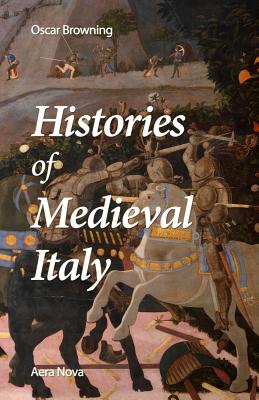
Histories of Medieval Italy
After the death of Frederick II., an interval of twenty-three years passed without the appointment of a king of the Romans (1250-1273), and an interval of sixty years without the recognition of an emperor in Italy (1250-1309). The country therefore was left to govern itself, but it was not at all the less divided by discords and distracted by dissensions. The parties of Guelph and Ghibelline raged as fiercely as if the lances of the German hosts were ever glimmering on the crest of the Alps, or as if the Lombard leagues were in constant watchfulness against an impending foe. These two party names occur again and again in history, until the time when both factions were crushed beneath the heel of a common enemy. They represented divergent principles, although in the heat of conflict all question of principle was too often disregarded. Speaking generally, the Ghibellines were the party of the emperor, and the Guelphs the party of the Pope; the Ghibellines were on the side of authority, or sometimes of oppression, the Guelphs were on the side of liberty and self-government. The Ghibellines were the supporters of an universal empire of which Italy was to be the head, the Guelphs were on the side of national life and national individuality. Contents Introduction. Frederick Barbarossa. Innocent III. Frederick II. Guelphs and Ghibellines. Ezzelino da Romano. Early Venice. Charles of Anjou. Manfred. Conradin. Sicilian Vespers. Pisa and Genoa. Constitution of Florence. Pope Celestine V. Blacks and Whites. Charles of Valois. Removal of Popes to Avignon. Adolf of Nassau. Henry of Luxemburg. Venice. Castruccio. King John of Bohemia. Mastino della Scala. The Duke of Athens. Joanna of Naples. Rienzi. The Black Death. Lewis of Hungary. Genoa and Venice. Marino Faliero. The Visconti. Cardinal Albornoz. Death of Rienzi. Emperor Charles IV. The Mercenaries. Perugia and Siena. Florence and Pisa. Urban V., Charles IV., and Gregory XI. The Visconti. The Great Schism. Revolution of the Ciompi at Florence. Queen Johanna of Naples. The War of Chioggia. The Peace of Turin. Gian Galeazzo Visconti. Ladislaus. The Council of Pisa. Retrospect and Prospect. Joanna Of Naples. Muzio Sforza. Braccio da Montone and Carmagnola. The Emperor Sigismund. Pope Eugenius IV. The Rise of the Medici. Alfonzo of Arragon. Francesco Sforza. Frederick III. Pius II. Cosimo dei Medici. Paul II. The Turks in Europe. Lorenzo dei Medici. Galeazzo Maria Sforza. Charles VIII in Italy. Savonarola. Pope Ale
PRP: 92.92 Lei

Acesta este Prețul Recomandat de Producător. Prețul de vânzare al produsului este afișat mai jos.
74.34Lei
74.34Lei
92.92 LeiPrimești 74 puncte
Livrare in 2-4 saptamani
Descrierea produsului
After the death of Frederick II., an interval of twenty-three years passed without the appointment of a king of the Romans (1250-1273), and an interval of sixty years without the recognition of an emperor in Italy (1250-1309). The country therefore was left to govern itself, but it was not at all the less divided by discords and distracted by dissensions. The parties of Guelph and Ghibelline raged as fiercely as if the lances of the German hosts were ever glimmering on the crest of the Alps, or as if the Lombard leagues were in constant watchfulness against an impending foe. These two party names occur again and again in history, until the time when both factions were crushed beneath the heel of a common enemy. They represented divergent principles, although in the heat of conflict all question of principle was too often disregarded. Speaking generally, the Ghibellines were the party of the emperor, and the Guelphs the party of the Pope; the Ghibellines were on the side of authority, or sometimes of oppression, the Guelphs were on the side of liberty and self-government. The Ghibellines were the supporters of an universal empire of which Italy was to be the head, the Guelphs were on the side of national life and national individuality. Contents Introduction. Frederick Barbarossa. Innocent III. Frederick II. Guelphs and Ghibellines. Ezzelino da Romano. Early Venice. Charles of Anjou. Manfred. Conradin. Sicilian Vespers. Pisa and Genoa. Constitution of Florence. Pope Celestine V. Blacks and Whites. Charles of Valois. Removal of Popes to Avignon. Adolf of Nassau. Henry of Luxemburg. Venice. Castruccio. King John of Bohemia. Mastino della Scala. The Duke of Athens. Joanna of Naples. Rienzi. The Black Death. Lewis of Hungary. Genoa and Venice. Marino Faliero. The Visconti. Cardinal Albornoz. Death of Rienzi. Emperor Charles IV. The Mercenaries. Perugia and Siena. Florence and Pisa. Urban V., Charles IV., and Gregory XI. The Visconti. The Great Schism. Revolution of the Ciompi at Florence. Queen Johanna of Naples. The War of Chioggia. The Peace of Turin. Gian Galeazzo Visconti. Ladislaus. The Council of Pisa. Retrospect and Prospect. Joanna Of Naples. Muzio Sforza. Braccio da Montone and Carmagnola. The Emperor Sigismund. Pope Eugenius IV. The Rise of the Medici. Alfonzo of Arragon. Francesco Sforza. Frederick III. Pius II. Cosimo dei Medici. Paul II. The Turks in Europe. Lorenzo dei Medici. Galeazzo Maria Sforza. Charles VIII in Italy. Savonarola. Pope Ale
Detaliile produsului



