








Issues in Maritime Cyber Security
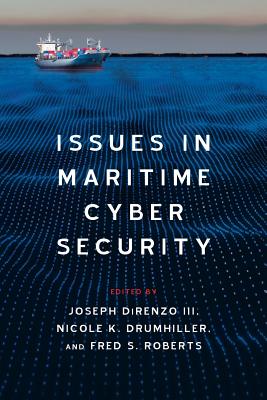
Issues in Maritime Cyber Security
The world relies on maritime commerce to move exceptionally large portions of goods, services, and people. Collectively this effort comprises the Maritime Transportation System or MTS. A major component of this daunting multi-faceted enterprise are cyber networks, and the infrastructure they control. From the complex programs managing the loading and unloading of containers to waiting trucks, to the global navigation systems onboard vessels, to the hydraulic valves designed to protect spills into waterways that are located and controlled by cyber systems within chemical, water/wastewater, or petroleum plants, the MTS is becoming increasingly automated. The impact of the cyber element on the international MTS is significant. Yet, with the clear advantages this brings, come vulnerabilities and challenges. Researchers have demonstrated that it is possible to remotely take control of a vessel by spoofing its GPS. The news has reported attacks that shut down a boating oil rig by tilting it. The electronic positioning so ware systems on ships are vulnerable to attacks that could modify files and charts, causing potential for serious damage. The complexity of the problem of making our MTS safe from cyber attack is daunting, and the need for all stakeholders in both government (at all levels) and private industry to be involved in cyber security is more significant than ever as the use of the MTS continues to grow. While there is literature about the maritime transportation system, and about cyber security, to date there is very little literature on this converging area. This pioneering book is beneficial to a variety of audiences, as a text book in courses looking at risk analysis, national security, cyber threats, or maritime policy; as a source of research problems ranging from the technical area to policy; and for practitioners in government and the private sector interested in a clear explanation of the array of cyber risks and potential cyber-defense issues impacting the maritime community. About the Editors: Dr. Joe DiRenzo III is a retired Coast Guard Officer. Dr. Nicole K. Drumhiller is the Program Director of Intelligence Studies at American Military University. Dr. Fred S. Roberts is Director of the Department of Homeland Security University Center of Excellence CCICADA, based at Rutgers University. **Please note, Joseph DiRenzo III is an editor, not an author**
PRP: 199.18 Lei

Acesta este Prețul Recomandat de Producător. Prețul de vânzare al produsului este afișat mai jos.
159.34Lei
159.34Lei
199.18 LeiPrimești 159 puncte

Indisponibil
Descrierea produsului
The world relies on maritime commerce to move exceptionally large portions of goods, services, and people. Collectively this effort comprises the Maritime Transportation System or MTS. A major component of this daunting multi-faceted enterprise are cyber networks, and the infrastructure they control. From the complex programs managing the loading and unloading of containers to waiting trucks, to the global navigation systems onboard vessels, to the hydraulic valves designed to protect spills into waterways that are located and controlled by cyber systems within chemical, water/wastewater, or petroleum plants, the MTS is becoming increasingly automated. The impact of the cyber element on the international MTS is significant. Yet, with the clear advantages this brings, come vulnerabilities and challenges. Researchers have demonstrated that it is possible to remotely take control of a vessel by spoofing its GPS. The news has reported attacks that shut down a boating oil rig by tilting it. The electronic positioning so ware systems on ships are vulnerable to attacks that could modify files and charts, causing potential for serious damage. The complexity of the problem of making our MTS safe from cyber attack is daunting, and the need for all stakeholders in both government (at all levels) and private industry to be involved in cyber security is more significant than ever as the use of the MTS continues to grow. While there is literature about the maritime transportation system, and about cyber security, to date there is very little literature on this converging area. This pioneering book is beneficial to a variety of audiences, as a text book in courses looking at risk analysis, national security, cyber threats, or maritime policy; as a source of research problems ranging from the technical area to policy; and for practitioners in government and the private sector interested in a clear explanation of the array of cyber risks and potential cyber-defense issues impacting the maritime community. About the Editors: Dr. Joe DiRenzo III is a retired Coast Guard Officer. Dr. Nicole K. Drumhiller is the Program Director of Intelligence Studies at American Military University. Dr. Fred S. Roberts is Director of the Department of Homeland Security University Center of Excellence CCICADA, based at Rutgers University. **Please note, Joseph DiRenzo III is an editor, not an author**
Detaliile produsului




