



- /
- Librarie online
- /
- Carti in engleza
- /
- Religion
- /
- Christianity
- /
- History
- /
- Massacre at Sand Creek: How Methodists Were Involved in an American Tragedy - Gary L. Roberts
Massacre at Sand Creek: How Methodists Were Involved in an American Tragedy
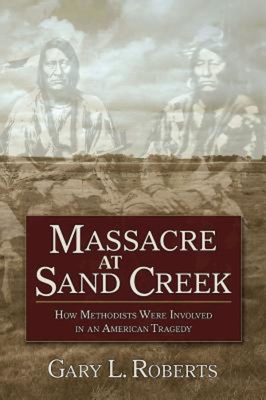
Massacre at Sand Creek: How Methodists Were Involved in an American Tragedy
Sand Creek. At dawn on the morning of November 29, 1864, Colonel John Milton Chivington gave the command that led to slaughter of 230 peaceful Cheyennes and Arapahos--primarily women, children, and elderly--camped under the protection of the U. S. government along Sand Creek in Colorado Territory and flying both an American flag and a white flag. The Sand Creek massacre seized national attention in the winter of 1864-1865 and generated a controversy that still excites heated debate more than 150 years later. At Sand Creek demoniac forces seemed unloosed so completely that humanity itself was the casualty. That was the charge that drew public attention to the Colorado frontier in 1865. That was the claim that spawned heated debate in Congress, two congressional hearings, and a military commission. Westerners vociferously and passionately denied the accusations. Reformers seized the charges as evidence of the failure of American Indian policy. Sand Creek launched a war that was not truly over for fifteen years. In the first year alone, it cost the United States government $50,000,000. Methodists have a special stake in this story. The governor whose polices led the Cheyennes and Arapahos to Sand Creek was a prominent Methodist layman. Colonel Chivington was a Methodist minister. Perhaps those were merely coincidences, but the question also remains of how the Methodist Episcopal Church itself responded to the massacre. Was it also somehow culpable in what happened? It is time for this story to be told. Coming to grips with what happened at Sand Creek involves hard questions and unsatisfactory answers not only about what happened but also about what led to it and why. It stirs ancient questions about the best and worst in every person, questions older than history, questions as relevant as today's headlines, questions we all must answer from within.
PRP: 142.54 Lei

Acesta este Prețul Recomandat de Producător. Prețul de vânzare al produsului este afișat mai jos.
128.29Lei
128.29Lei
142.54 LeiPrimești 128 puncte

Indisponibil
Descrierea produsului
Sand Creek. At dawn on the morning of November 29, 1864, Colonel John Milton Chivington gave the command that led to slaughter of 230 peaceful Cheyennes and Arapahos--primarily women, children, and elderly--camped under the protection of the U. S. government along Sand Creek in Colorado Territory and flying both an American flag and a white flag. The Sand Creek massacre seized national attention in the winter of 1864-1865 and generated a controversy that still excites heated debate more than 150 years later. At Sand Creek demoniac forces seemed unloosed so completely that humanity itself was the casualty. That was the charge that drew public attention to the Colorado frontier in 1865. That was the claim that spawned heated debate in Congress, two congressional hearings, and a military commission. Westerners vociferously and passionately denied the accusations. Reformers seized the charges as evidence of the failure of American Indian policy. Sand Creek launched a war that was not truly over for fifteen years. In the first year alone, it cost the United States government $50,000,000. Methodists have a special stake in this story. The governor whose polices led the Cheyennes and Arapahos to Sand Creek was a prominent Methodist layman. Colonel Chivington was a Methodist minister. Perhaps those were merely coincidences, but the question also remains of how the Methodist Episcopal Church itself responded to the massacre. Was it also somehow culpable in what happened? It is time for this story to be told. Coming to grips with what happened at Sand Creek involves hard questions and unsatisfactory answers not only about what happened but also about what led to it and why. It stirs ancient questions about the best and worst in every person, questions older than history, questions as relevant as today's headlines, questions we all must answer from within.
Detaliile produsului