





Meat Less: The Next Food Revolution
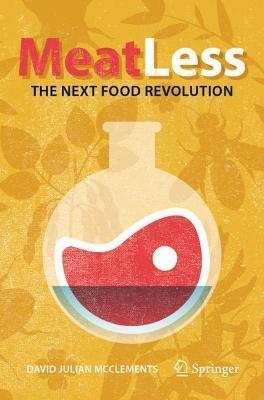
Meat Less: The Next Food Revolution
Reducing the amount of meat in our diet would have major environmental benefits, including reducing greenhouse gas emissions, pollution, deforestation, and biodiversity loss. Moreover, it would have wide-ranging ethical benefits by decreasing the huge number of livestock animals confined and killed each year for food. For consumers, there may also be health benefits from a meat-less diet, provided it was carefully planned. Advances in modern science and technology, including plant-based, microbial, lab-grown, and insect meats, are revolutionizing the food industry and making it easier for consumers worldwide to maintain a meat-less diet.
In Meat Less: The Next Food Revolution I outline my own journey as a food scientist who became a vegetarian in solidarity with my daughter. In writing this book I take the viewpoint that there are no easy answers and that everyone must make the decision to eat meat or not based on their own values. The first chapters examine the impact of meat consumption on the environment, human health, and animal welfare, including the important questions of how much does eating meat really contribute to greenhouse gas emissions, pollution, and biodiversity loss, what are the ethical implications of raising and killing animals for food, and the impact of reducing meat consumption on human nutrition and health. I then discuss some of the new technologies that are being developed to create alternatives to meat, including plant-based meat, cultured (lab-grown) meat, microbial meat, and insect meat. I present the science behind these new technologies and their potential for making a difference to climate change and human health. In the final chapter, I discuss why I remain a vegetarian and have decided to dedicate the rest of my scientific career to finding sustainable and healthy alternatives to meat, presenting my vision of the human diet in 2050.PRP: 154.94 Lei

Acesta este Prețul Recomandat de Producător. Prețul de vânzare al produsului este afișat mai jos.
139.45Lei
139.45Lei
154.94 LeiPrimești 139 puncte
Indisponibil
Descrierea produsului
Reducing the amount of meat in our diet would have major environmental benefits, including reducing greenhouse gas emissions, pollution, deforestation, and biodiversity loss. Moreover, it would have wide-ranging ethical benefits by decreasing the huge number of livestock animals confined and killed each year for food. For consumers, there may also be health benefits from a meat-less diet, provided it was carefully planned. Advances in modern science and technology, including plant-based, microbial, lab-grown, and insect meats, are revolutionizing the food industry and making it easier for consumers worldwide to maintain a meat-less diet.
In Meat Less: The Next Food Revolution I outline my own journey as a food scientist who became a vegetarian in solidarity with my daughter. In writing this book I take the viewpoint that there are no easy answers and that everyone must make the decision to eat meat or not based on their own values. The first chapters examine the impact of meat consumption on the environment, human health, and animal welfare, including the important questions of how much does eating meat really contribute to greenhouse gas emissions, pollution, and biodiversity loss, what are the ethical implications of raising and killing animals for food, and the impact of reducing meat consumption on human nutrition and health. I then discuss some of the new technologies that are being developed to create alternatives to meat, including plant-based meat, cultured (lab-grown) meat, microbial meat, and insect meat. I present the science behind these new technologies and their potential for making a difference to climate change and human health. In the final chapter, I discuss why I remain a vegetarian and have decided to dedicate the rest of my scientific career to finding sustainable and healthy alternatives to meat, presenting my vision of the human diet in 2050.Detaliile produsului



