








Natural Gas Pipeline Regulation in the United States: Past, Present, and Future
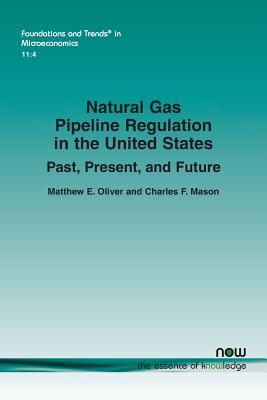
Natural Gas Pipeline Regulation in the United States: Past, Present, and Future
Natural Gas Pipeline Regulation in the United States: Past, Present, and Future provides a detailed economic overview of these regulations and reviews the relevant economic and policy literature that has tracked the evolution and regulation of the U.S. gas transmission market over the past century. Section 2 provides a detailed history of U.S. federal regulation of interstate gas pipelines, highlighting the most impactful regulatory changes and discussing both the immediate and lasting effects they had on the market. It shows how specific regulatory measures were critical in helping the nascent and integrated natural gas extraction and transmission industry establish itself as a cornerstone of the U.S. energy portfolio, and how these same regulations, after the industry had grown, resulted in severe market distortions. In response to these distortions and to increase market competition, the Federal Energy Regulatory Commission (FERC) issued Order 636 in 1992, mandating that the U.S. natural gas industry be fully restructured into separate production, transportation, and distribution sectors. A wealth of economic and policy literature has since analyzed the impacts of Order 636, both on the behavior of pipeline operators specifically and on the U.S. natural gas market. Section 3 provides a thorough review of this literature and discusses the current industry structure that has emerged. It also includes a detailed explanation of FERC's current rate setting methodology for gas pipelines, a discussion of the "primary" and "secondary" markets for natural gas transmission and FERC's formal capacity release system, and a brief review of several important non-price regulations faced by pipeline operators. Finally, Section 4 discusses the future of regulation in the gas pipeline industry, offering predictions and recommendations to policy makers and pipeline operators regarding the likely direction of regulatory changes. A growing body of economic literature now praises the benefits of transitioning away from rate-of-return regulation in infrastructure-intensive industries, in favor of more flexible 'incentive-based' regulatory models and the authors discuss the likelihood and implications of a move toward incentive-based regulation in the U.S. gas pipeline industry.
PRP: 496.00 Lei

Acesta este Prețul Recomandat de Producător. Prețul de vânzare al produsului este afișat mai jos.
396.80Lei
396.80Lei
496.00 LeiPrimești 396 puncte

Indisponibil
Descrierea produsului
Natural Gas Pipeline Regulation in the United States: Past, Present, and Future provides a detailed economic overview of these regulations and reviews the relevant economic and policy literature that has tracked the evolution and regulation of the U.S. gas transmission market over the past century. Section 2 provides a detailed history of U.S. federal regulation of interstate gas pipelines, highlighting the most impactful regulatory changes and discussing both the immediate and lasting effects they had on the market. It shows how specific regulatory measures were critical in helping the nascent and integrated natural gas extraction and transmission industry establish itself as a cornerstone of the U.S. energy portfolio, and how these same regulations, after the industry had grown, resulted in severe market distortions. In response to these distortions and to increase market competition, the Federal Energy Regulatory Commission (FERC) issued Order 636 in 1992, mandating that the U.S. natural gas industry be fully restructured into separate production, transportation, and distribution sectors. A wealth of economic and policy literature has since analyzed the impacts of Order 636, both on the behavior of pipeline operators specifically and on the U.S. natural gas market. Section 3 provides a thorough review of this literature and discusses the current industry structure that has emerged. It also includes a detailed explanation of FERC's current rate setting methodology for gas pipelines, a discussion of the "primary" and "secondary" markets for natural gas transmission and FERC's formal capacity release system, and a brief review of several important non-price regulations faced by pipeline operators. Finally, Section 4 discusses the future of regulation in the gas pipeline industry, offering predictions and recommendations to policy makers and pipeline operators regarding the likely direction of regulatory changes. A growing body of economic literature now praises the benefits of transitioning away from rate-of-return regulation in infrastructure-intensive industries, in favor of more flexible 'incentive-based' regulatory models and the authors discuss the likelihood and implications of a move toward incentive-based regulation in the U.S. gas pipeline industry.
Detaliile produsului