








Winston Spencer Churchill, the brash, aristocratic son of a famous British politician, was elected to Parliament in 1900 at 25. Beginning in 1908 during WWI and in the 1920s, he served in numerous cabinet positions in the Governments of various Prime Ministers.His service was never quiet, whether as a member of the House of Commons or a Cabinet minister. While recognized for flashes of brilliance, Churchill also had a reputation for being overly aggressive and making extremely poor judgments. His reputation notwithstanding, eight months into WWII, after Parliament effectively ousted the Government of Neville Chamberlain (best known for his policy of appeasing Hitler) on May 10, 1940, Churchill was asked by King George VI to form a new Government. Having long wanted to be Prime Minister, Churchill accepted.He did so despite (or perhaps because) that on the morning of May 10, Hitler simultaneously invaded Belgium, Holland, Denmark, Luxembourg, and France. Most of these countries fell in a few days. Over the next few weeks, even with Britain providing some 300,000 troops and a substantial number of airplanes and pilots, Belgium capitulated, and it became apparent that France was going to fall as well.Because the United States was not yet in the war (and showed little intent of joining any time soon), in late May 1940, it seemed that it would only be a few days until Britain would be standing alone in the war against Germany. The future foretold the bombing of London and other British cities followed by a German invasion. The number of British deaths would be unfathomable.As a result, Churchill's War Cabinet sentiment was that Britain had to consider entering into peace negotiations with Germany immediately. The matter was discussed at every War Cabinet meeting from May 25 through May 28. During that time, Churchill consistently rejected the notion and, at the end of the day, held to that view and prevailed-no move toward peace negotiations ever took place.Churchill's intransigence has led to the inevitable question: Why would a sane person not seriously have considered peace talks in preference to what seemed almost certain annihilation of Britain and her people?Why indeed. The fact is that there was a multitude of things, both external and part of the make-up of the man, that resulted in Churchill's seemingly inexplicable decision to subject Britain to the horrors of the seemingly unstoppable Nazi war machine.Here a retired corporate lawyer, with the ass
No Peace with Hitler: Why Churchill Chose to Fight WWII Alone Rather than Negotiate with Germany
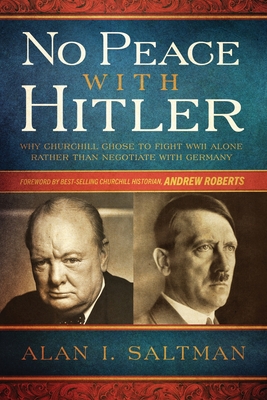
No Peace with Hitler: Why Churchill Chose to Fight WWII Alone Rather than Negotiate with Germany
Winston Spencer Churchill, the brash, aristocratic son of a famous British politician, was elected to Parliament in 1900 at 25. Beginning in 1908 during WWI and in the 1920s, he served in numerous cabinet positions in the Governments of various Prime Ministers.His service was never quiet, whether as a member of the House of Commons or a Cabinet minister. While recognized for flashes of brilliance, Churchill also had a reputation for being overly aggressive and making extremely poor judgments. His reputation notwithstanding, eight months into WWII, after Parliament effectively ousted the Government of Neville Chamberlain (best known for his policy of appeasing Hitler) on May 10, 1940, Churchill was asked by King George VI to form a new Government. Having long wanted to be Prime Minister, Churchill accepted.He did so despite (or perhaps because) that on the morning of May 10, Hitler simultaneously invaded Belgium, Holland, Denmark, Luxembourg, and France. Most of these countries fell in a few days. Over the next few weeks, even with Britain providing some 300,000 troops and a substantial number of airplanes and pilots, Belgium capitulated, and it became apparent that France was going to fall as well.Because the United States was not yet in the war (and showed little intent of joining any time soon), in late May 1940, it seemed that it would only be a few days until Britain would be standing alone in the war against Germany. The future foretold the bombing of London and other British cities followed by a German invasion. The number of British deaths would be unfathomable.As a result, Churchill's War Cabinet sentiment was that Britain had to consider entering into peace negotiations with Germany immediately. The matter was discussed at every War Cabinet meeting from May 25 through May 28. During that time, Churchill consistently rejected the notion and, at the end of the day, held to that view and prevailed-no move toward peace negotiations ever took place.Churchill's intransigence has led to the inevitable question: Why would a sane person not seriously have considered peace talks in preference to what seemed almost certain annihilation of Britain and her people?Why indeed. The fact is that there was a multitude of things, both external and part of the make-up of the man, that resulted in Churchill's seemingly inexplicable decision to subject Britain to the horrors of the seemingly unstoppable Nazi war machine.Here a retired corporate lawyer, with the ass
PRP: 297.52 Lei

Acesta este Prețul Recomandat de Producător. Prețul de vânzare al produsului este afișat mai jos.
267.77Lei
267.77Lei
297.52 LeiPrimești 267 puncte

Indisponibil
Descrierea produsului
Winston Spencer Churchill, the brash, aristocratic son of a famous British politician, was elected to Parliament in 1900 at 25. Beginning in 1908 during WWI and in the 1920s, he served in numerous cabinet positions in the Governments of various Prime Ministers.His service was never quiet, whether as a member of the House of Commons or a Cabinet minister. While recognized for flashes of brilliance, Churchill also had a reputation for being overly aggressive and making extremely poor judgments. His reputation notwithstanding, eight months into WWII, after Parliament effectively ousted the Government of Neville Chamberlain (best known for his policy of appeasing Hitler) on May 10, 1940, Churchill was asked by King George VI to form a new Government. Having long wanted to be Prime Minister, Churchill accepted.He did so despite (or perhaps because) that on the morning of May 10, Hitler simultaneously invaded Belgium, Holland, Denmark, Luxembourg, and France. Most of these countries fell in a few days. Over the next few weeks, even with Britain providing some 300,000 troops and a substantial number of airplanes and pilots, Belgium capitulated, and it became apparent that France was going to fall as well.Because the United States was not yet in the war (and showed little intent of joining any time soon), in late May 1940, it seemed that it would only be a few days until Britain would be standing alone in the war against Germany. The future foretold the bombing of London and other British cities followed by a German invasion. The number of British deaths would be unfathomable.As a result, Churchill's War Cabinet sentiment was that Britain had to consider entering into peace negotiations with Germany immediately. The matter was discussed at every War Cabinet meeting from May 25 through May 28. During that time, Churchill consistently rejected the notion and, at the end of the day, held to that view and prevailed-no move toward peace negotiations ever took place.Churchill's intransigence has led to the inevitable question: Why would a sane person not seriously have considered peace talks in preference to what seemed almost certain annihilation of Britain and her people?Why indeed. The fact is that there was a multitude of things, both external and part of the make-up of the man, that resulted in Churchill's seemingly inexplicable decision to subject Britain to the horrors of the seemingly unstoppable Nazi war machine.Here a retired corporate lawyer, with the ass
Detaliile produsului




