








Pacific Exploration
Pacific Exploration
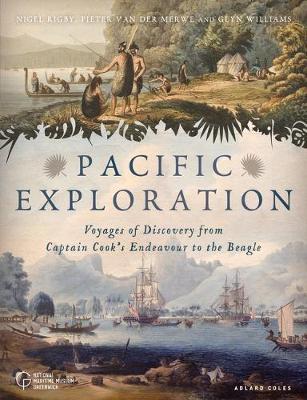
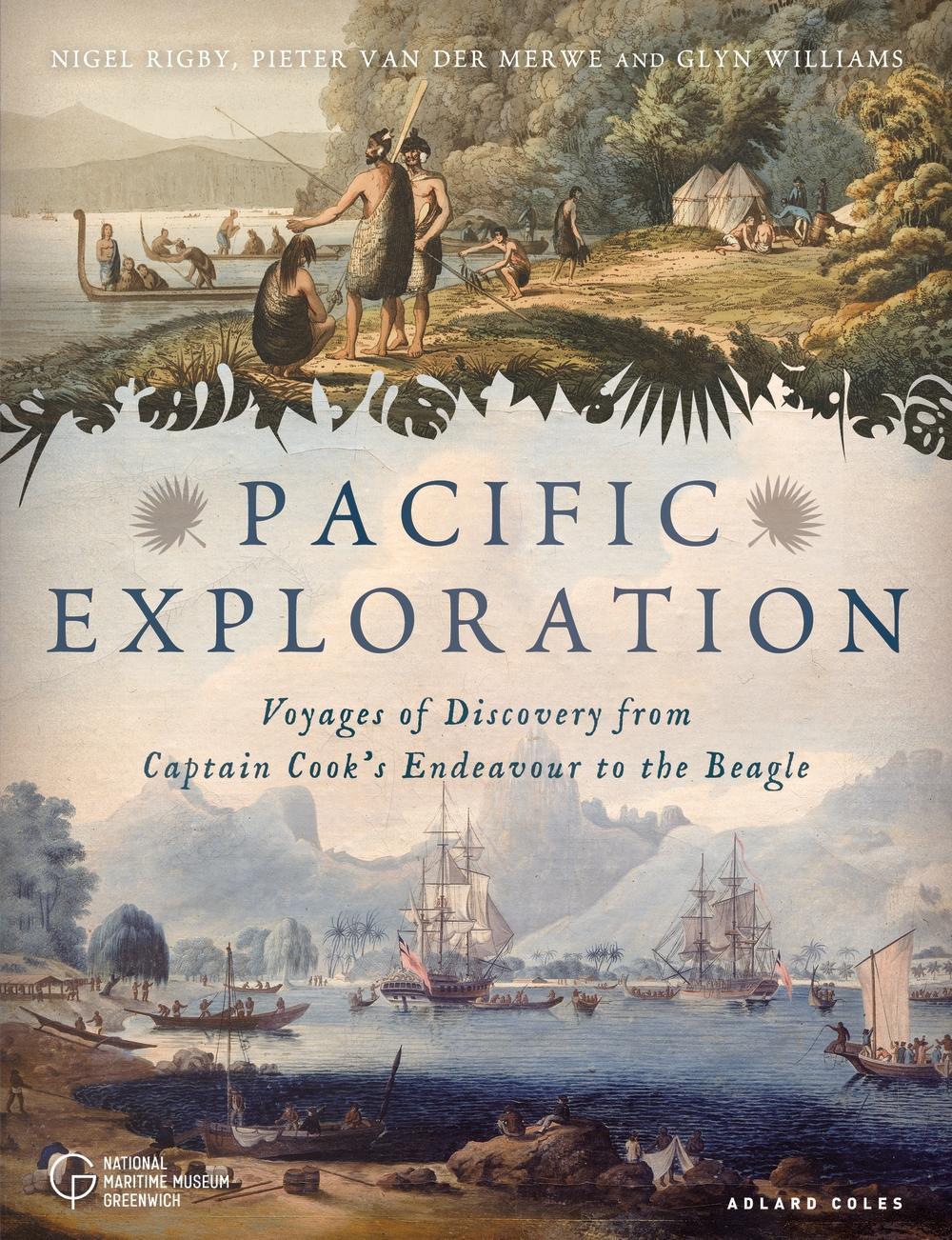
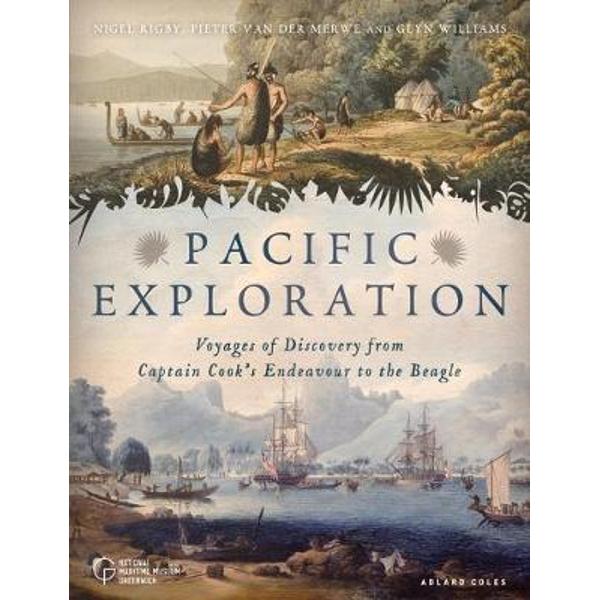
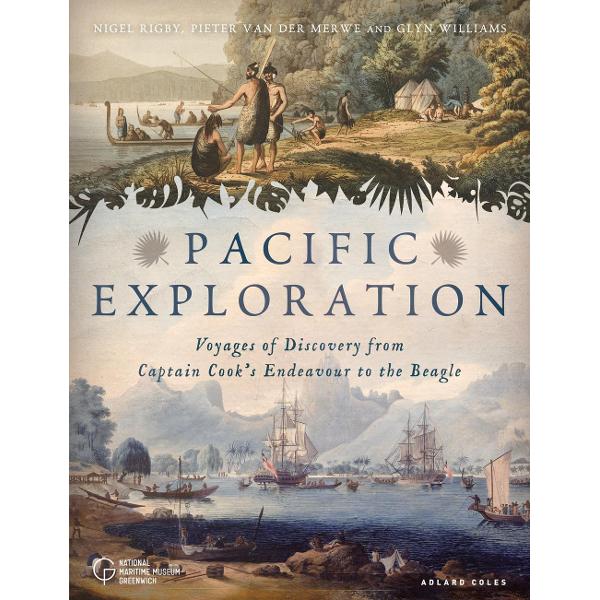
Captain Cook is generally acknowledged as the first great European scientific explorer. His voyage of exploration to the Pacific in HM bark Endeavour, commencing in 1768, lasted almost three years, recorded thousands of miles of uncharted lands and seas - including New Zealand, the east coast of Australia and many Pacific islands - and tested all Cook's skills as a navigator, seaman and leader. His voyages were among the first to take civilian scientists, notably Sir Joseph Banks, and they revealed to European eyes the mysterious and exotic lands, peoples, flora and fauna of the Pacific, never before seen.
But while Cook understandably dominates the story of 18th-century Pacific exploration, the achievements of those who followed him on many voyages of science and exploration into the Pacific have been neglected and deprived of the greater attention they deserve. Correcting this imbalance, Pacific Exploration explores the European voyages that continued Cook's work not only of charting but also starting to exploit and control the Pacific. These voyages, by William Bligh, George Vancouver, Matthew Flinders, Malaspina, Laperouse and Arthur Phillip, span a period that saw Britain becoming the world's leading maritime power, a situation well in place by the time that Charles Darwin's voyage in Fitzroy's Beagle laid the basis of even greater understanding of the development of life on earth.
Recounting and illustrating these achievements and legacies using fascinating text and beautiful illustrations and artworks from the period, this book explores topics of scientific discovery, engagement with indigenous peoples, the use of shipboard artists and scientists, the growing professionalism of the hydrographic service, the vessels used and the colonial, commercial and imperial contexts of the voyages.
But while Cook understandably dominates the story of 18th-century Pacific exploration, the achievements of those who followed him on many voyages of science and exploration into the Pacific have been neglected and deprived of the greater attention they deserve. Correcting this imbalance, Pacific Exploration explores the European voyages that continued Cook's work not only of charting but also starting to exploit and control the Pacific. These voyages, by William Bligh, George Vancouver, Matthew Flinders, Malaspina, Laperouse and Arthur Phillip, span a period that saw Britain becoming the world's leading maritime power, a situation well in place by the time that Charles Darwin's voyage in Fitzroy's Beagle laid the basis of even greater understanding of the development of life on earth.
Recounting and illustrating these achievements and legacies using fascinating text and beautiful illustrations and artworks from the period, this book explores topics of scientific discovery, engagement with indigenous peoples, the use of shipboard artists and scientists, the growing professionalism of the hydrographic service, the vessels used and the colonial, commercial and imperial contexts of the voyages.
PRP: 169.92 Lei

Acesta este Prețul Recomandat de Producător. Prețul de vânzare al produsului este afișat mai jos.
152.93Lei
152.93Lei
169.92 LeiPrimești 152 puncte

Indisponibil
Descrierea produsului
Captain Cook is generally acknowledged as the first great European scientific explorer. His voyage of exploration to the Pacific in HM bark Endeavour, commencing in 1768, lasted almost three years, recorded thousands of miles of uncharted lands and seas - including New Zealand, the east coast of Australia and many Pacific islands - and tested all Cook's skills as a navigator, seaman and leader. His voyages were among the first to take civilian scientists, notably Sir Joseph Banks, and they revealed to European eyes the mysterious and exotic lands, peoples, flora and fauna of the Pacific, never before seen.
But while Cook understandably dominates the story of 18th-century Pacific exploration, the achievements of those who followed him on many voyages of science and exploration into the Pacific have been neglected and deprived of the greater attention they deserve. Correcting this imbalance, Pacific Exploration explores the European voyages that continued Cook's work not only of charting but also starting to exploit and control the Pacific. These voyages, by William Bligh, George Vancouver, Matthew Flinders, Malaspina, Laperouse and Arthur Phillip, span a period that saw Britain becoming the world's leading maritime power, a situation well in place by the time that Charles Darwin's voyage in Fitzroy's Beagle laid the basis of even greater understanding of the development of life on earth.
Recounting and illustrating these achievements and legacies using fascinating text and beautiful illustrations and artworks from the period, this book explores topics of scientific discovery, engagement with indigenous peoples, the use of shipboard artists and scientists, the growing professionalism of the hydrographic service, the vessels used and the colonial, commercial and imperial contexts of the voyages.
But while Cook understandably dominates the story of 18th-century Pacific exploration, the achievements of those who followed him on many voyages of science and exploration into the Pacific have been neglected and deprived of the greater attention they deserve. Correcting this imbalance, Pacific Exploration explores the European voyages that continued Cook's work not only of charting but also starting to exploit and control the Pacific. These voyages, by William Bligh, George Vancouver, Matthew Flinders, Malaspina, Laperouse and Arthur Phillip, span a period that saw Britain becoming the world's leading maritime power, a situation well in place by the time that Charles Darwin's voyage in Fitzroy's Beagle laid the basis of even greater understanding of the development of life on earth.
Recounting and illustrating these achievements and legacies using fascinating text and beautiful illustrations and artworks from the period, this book explores topics of scientific discovery, engagement with indigenous peoples, the use of shipboard artists and scientists, the growing professionalism of the hydrographic service, the vessels used and the colonial, commercial and imperial contexts of the voyages.
Detaliile produsului