


- /
- Librarie online
- /
- Carti in engleza
- /
- Political Science
- /
- International Relations
- /
- General
- /
- Should Rich Nations Help the Poor? - David Hulme
Should Rich Nations Help the Poor?
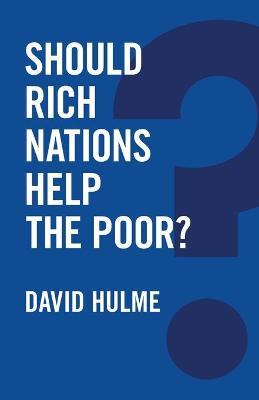
Should Rich Nations Help the Poor?
In the past decade, the developed world has spent almost US$ 2 trillion on foreign aid for poorer countries. Yet 1.2 billion people still live in extreme poverty and around 2.9 billion cannot meet their basic human needs.
But should rich nations continue to help the poor? In this short book, leading global poverty analyst David Hulme explains why helping the world's neediest communities is both the right thing to do and the wise thing to do if rich nations want to take care of their own citizens' future welfare.
The real question is how best to provide this help. The way forward, Hulme argues, is not conventional foreign aid but trade, finance and environmental policy reform. But this must happen alongside a change in international social norms so that we all recognise the collective benefits of a poverty-free world.
In the past decade, the developed world has spent almost US$ 2 trillion on foreign aid for poorer countries. Yet 1.2 billion people still live in extreme poverty and around 2.9 billion cannot meet their basic human needs.
But should rich nations continue to help the poor? In this short book, leading global poverty analyst David Hulme explains why helping the world's neediest communities is both the right thing to do and the wise thing to do if rich nations want to take care of their own citizens' future welfare.
The real question is how best to provide this help. The way forward, Hulme argues, is not conventional foreign aid but trade, finance and environmental policy reform. But this must happen alongside a change in international social norms so that we all recognise the collective benefits of a poverty-free world.
In the past decade, the developed world has spent almost US$ 2 trillion on foreign aid for poorer countries. Yet 1.2 billion people still live in extreme poverty and around 2.9 billion cannot meet their basic human needs.
But should rich nations continue to help the poor? In this short book, leading global poverty analyst David Hulme explains why helping the world's neediest communities is both the right thing to do and the wise thing to do if rich nations want to take care of their own citizens' future welfare.
The real question is how best to provide this help. The way forward, Hulme argues, is not conventional foreign aid but trade, finance and environmental policy reform. But this must happen alongside a change in international social norms so that we all recogn
PRP: 134.91 Lei

Acesta este Prețul Recomandat de Producător. Prețul de vânzare al produsului este afișat mai jos.
121.42Lei
121.42Lei
134.91 LeiPrimești 121 puncte

Indisponibil
Descrierea produsului
In the past decade, the developed world has spent almost US$ 2 trillion on foreign aid for poorer countries. Yet 1.2 billion people still live in extreme poverty and around 2.9 billion cannot meet their basic human needs.
But should rich nations continue to help the poor? In this short book, leading global poverty analyst David Hulme explains why helping the world's neediest communities is both the right thing to do and the wise thing to do if rich nations want to take care of their own citizens' future welfare.
The real question is how best to provide this help. The way forward, Hulme argues, is not conventional foreign aid but trade, finance and environmental policy reform. But this must happen alongside a change in international social norms so that we all recognise the collective benefits of a poverty-free world.
In the past decade, the developed world has spent almost US$ 2 trillion on foreign aid for poorer countries. Yet 1.2 billion people still live in extreme poverty and around 2.9 billion cannot meet their basic human needs.
But should rich nations continue to help the poor? In this short book, leading global poverty analyst David Hulme explains why helping the world's neediest communities is both the right thing to do and the wise thing to do if rich nations want to take care of their own citizens' future welfare.
The real question is how best to provide this help. The way forward, Hulme argues, is not conventional foreign aid but trade, finance and environmental policy reform. But this must happen alongside a change in international social norms so that we all recognise the collective benefits of a poverty-free world.
In the past decade, the developed world has spent almost US$ 2 trillion on foreign aid for poorer countries. Yet 1.2 billion people still live in extreme poverty and around 2.9 billion cannot meet their basic human needs.
But should rich nations continue to help the poor? In this short book, leading global poverty analyst David Hulme explains why helping the world's neediest communities is both the right thing to do and the wise thing to do if rich nations want to take care of their own citizens' future welfare.
The real question is how best to provide this help. The way forward, Hulme argues, is not conventional foreign aid but trade, finance and environmental policy reform. But this must happen alongside a change in international social norms so that we all recogn
Detaliile produsului