





How do communities consent to difference? How do they recognize and create the space and time necessary for the differences and disabilities of those who constitute them? Christian congregations often make assumptions about the shared abilities, practices, and experiences that are necessary for communal worship. The author of this provocative new book takes a hard look at these assumptions through a detailed ethnographic study of an unusual religious community where more than half the congregants live with diagnoses of mental illness, many coming to the church from personal care homes or independent living facilities. Here, people's participation in worship disrupts and extends the formal orders of worship. Whenever one worships God at Sacred Family Church, there is someone who is doing it differently.
Here, the author argues, the central elements and the participation in the symbols of Christian worship raise questions rather than supply clear markers of unity, prompting the question, What do you need in order to have a church that assumes difference at its heart? Based on three years of ethnographic research, The Disabled Church describes how the Sacred Family community, comprising people with very different mental abilities, backgrounds, and resources, sustains and embodies a common religious identity. It explores how an ethic of difference is both helped and hindered by a church's embodied theology. Paying careful attention to how these congregants improvise forms of access to a common liturgy, this book offers a groundbreaking theology of worship that engages both the fragility and beauty revealed by difference within the church. As liturgy requires consent to difference rather than coercion, an aesthetic approach to differences within Christian liturgy provides a frame for congregations and Christian liturgists to pay attention to the differences and disabilities of worshippers. This book creates a distinctive conversation between critical disability studies, liturgical aesthetics, and ethnographic theology, offering an original perspective on the relationship between beauty and disability within Christian communities. Here is a transformational theological aesthetics of Christian liturgy that prioritizes human difference and argues for the importance of the Disabled Church.The Disabled Church: Human Difference and the Art of Communal Worship
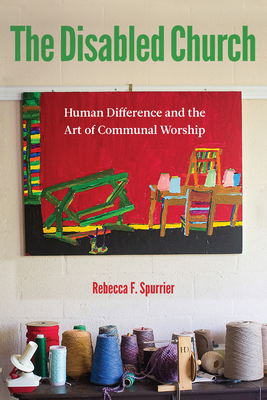
The Disabled Church: Human Difference and the Art of Communal Worship
PRP: 323.95 Lei

Acesta este Prețul Recomandat de Producător. Prețul de vânzare al produsului este afișat mai jos.
291.56Lei
291.56Lei
323.95 LeiPrimești 291 puncte

Indisponibil
Descrierea produsului
How do communities consent to difference? How do they recognize and create the space and time necessary for the differences and disabilities of those who constitute them? Christian congregations often make assumptions about the shared abilities, practices, and experiences that are necessary for communal worship. The author of this provocative new book takes a hard look at these assumptions through a detailed ethnographic study of an unusual religious community where more than half the congregants live with diagnoses of mental illness, many coming to the church from personal care homes or independent living facilities. Here, people's participation in worship disrupts and extends the formal orders of worship. Whenever one worships God at Sacred Family Church, there is someone who is doing it differently.
Here, the author argues, the central elements and the participation in the symbols of Christian worship raise questions rather than supply clear markers of unity, prompting the question, What do you need in order to have a church that assumes difference at its heart? Based on three years of ethnographic research, The Disabled Church describes how the Sacred Family community, comprising people with very different mental abilities, backgrounds, and resources, sustains and embodies a common religious identity. It explores how an ethic of difference is both helped and hindered by a church's embodied theology. Paying careful attention to how these congregants improvise forms of access to a common liturgy, this book offers a groundbreaking theology of worship that engages both the fragility and beauty revealed by difference within the church. As liturgy requires consent to difference rather than coercion, an aesthetic approach to differences within Christian liturgy provides a frame for congregations and Christian liturgists to pay attention to the differences and disabilities of worshippers. This book creates a distinctive conversation between critical disability studies, liturgical aesthetics, and ethnographic theology, offering an original perspective on the relationship between beauty and disability within Christian communities. Here is a transformational theological aesthetics of Christian liturgy that prioritizes human difference and argues for the importance of the Disabled Church.Detaliile produsului




