




headerdesktop cupon27feb26

MAI SUNT 00:00:00:00

MAI SUNT

X

headermobile cupon27feb26

MAI SUNT 00:00:00:00

MAI SUNT

X

Promotii popup img

Cupon activ: MARTISOR20

-20% la tot*

Aplică-l în coș »

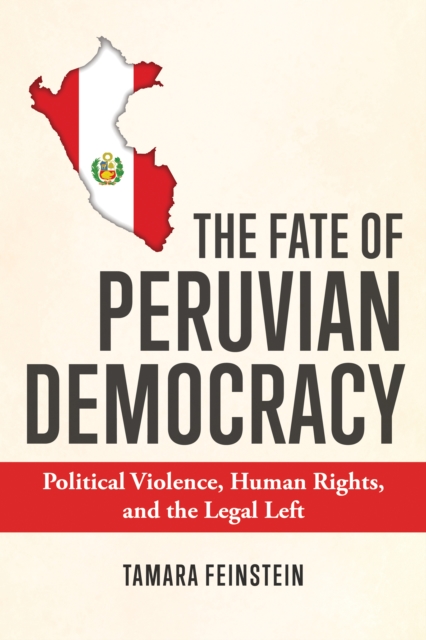
The Fate of Peruvian Democracy: Political Violence, Human Rights, and the Legal Left

De (autor): Tamara Feinstein

The Fate of Peruvian Democracy: Political Violence, Human Rights, and the Legal Left - Tamara Feinstein

The Fate of Peruvian Democracy: Political Violence, Human Rights, and the Legal Left

De (autor): Tamara Feinstein

Tamara Feinstein investigates the bloody Shining Path conflict's effect on the legal Left in late-twentieth-century Peru, illustrating the catastrophic impact state and insurgent violence can have on the growth and resilience of democratic political actors during times of war.

In this engaging historical study, Tamara Feinstein chronicles the late-twentieth-century Shining Path conflict and argues that it significantly contributed to the rupture and disintegration of the noninsurgent legal Left in Peru by deepening preexisting divisions and eradicating an entire generation of leaders. Using a combination of oral histories, archival documents, contemporary media accounts, and participant observation of commemorations, Feinstein maps the trajectory of the Peruvian Left's rise and fall by analyzing two emblematic human rights cases that occurred at the Left's zenith and nadir: the state-based violence of the 1986 Lima prison massacres and the 1992 Shining Path assassination of leftist shantytown leader María Elena Moyano. The lessons found in The Fate of Peruvian Democracy reach beyond Peru to connect with other Latin American countries. Peru's story illustrates the difficulties of accumulating political force during times of violence, underscores how struggles for self-defense can complicate ideological stances on violence, and helps explain the unevenness of the resurgence of the Left (the so-called "pink tide") in Latin America in the twenty-first century. The book contributes to debates on memory and human rights in Peru and Latin America where divisions over how to remember the war retraced the fault lines of earlier debates over democracy and violence.

Citește mai mult

-10%

transport gratuit

PRP: 403.00 Lei

!

Acesta este Prețul Recomandat de Producător. Prețul de vânzare al produsului este afișat mai jos.

362.70Lei

362.70Lei

403.00 Lei

Primești 362 puncte

Important icon msg

Primești puncte de fidelitate după fiecare comandă! 100 puncte de fidelitate reprezintă 1 leu. Folosește-le la viitoarele achiziții!

Indisponibil

Plasează rapid comanda

Important icon msg

Poți comanda acest produs introducând numărul tău de telefon. În cel mai scurt timp vei fi apelat de un operator Libris pentru preluarea datelor necesare.

Completează mai jos numărul tău de telefon

Descrierea produsului

Tamara Feinstein investigates the bloody Shining Path conflict's effect on the legal Left in late-twentieth-century Peru, illustrating the catastrophic impact state and insurgent violence can have on the growth and resilience of democratic political actors during times of war.

In this engaging historical study, Tamara Feinstein chronicles the late-twentieth-century Shining Path conflict and argues that it significantly contributed to the rupture and disintegration of the noninsurgent legal Left in Peru by deepening preexisting divisions and eradicating an entire generation of leaders. Using a combination of oral histories, archival documents, contemporary media accounts, and participant observation of commemorations, Feinstein maps the trajectory of the Peruvian Left's rise and fall by analyzing two emblematic human rights cases that occurred at the Left's zenith and nadir: the state-based violence of the 1986 Lima prison massacres and the 1992 Shining Path assassination of leftist shantytown leader María Elena Moyano. The lessons found in The Fate of Peruvian Democracy reach beyond Peru to connect with other Latin American countries. Peru's story illustrates the difficulties of accumulating political force during times of violence, underscores how struggles for self-defense can complicate ideological stances on violence, and helps explain the unevenness of the resurgence of the Left (the so-called "pink tide") in Latin America in the twenty-first century. The book contributes to debates on memory and human rights in Peru and Latin America where divisions over how to remember the war retraced the fault lines of earlier debates over democracy and violence.

Citește mai mult

De același autor

Părerea ta e inspirație pentru comunitatea Libris!

Istoricul tău de navigare

Noi suntem despre cărți, și la fel este și

Newsletter-ul nostru.

Abonează-te la veștile literare și primești un cupon de -10% pentru viitoarea ta comandă!

*Reducerea aplicată prin cupon nu se cumulează, ci se aplică reducerea cea mai mare.

Mă abonez image one
Mă abonez image one
Accessibility Logo

Salut! Te pot ajuta?

X



