








The German POWs in South Carolina
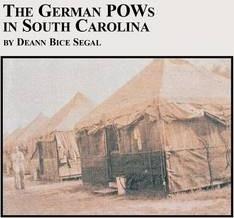
The German POWs in South Carolina
Many rural communities in South Carolina share a place in World War II history that has largely been forgotten. From 1943 to 1946, towns such as Aiken, Florence, Camden, Spartanburg, and York were enthusiastic hosts for a special group of laborers: German prisoners of war. These prisoners from the North African, Sicilian, and European campaigns filled needed jobs, mostly in agriculture, all across the nation. In South Carolina, prison camps were established in rural areas where labor was needed in agriculture, the lumber industry, and a few manufacturing jobs. Prisoner labor was also used on military bases to free civilian and army personnel for front-line duty. By the end of W.W.II, over 425,000 German, Italian, and Japanese prisoners were interned in prisoner of war camps in the United States. In South Carolina, the War Department established more than twenty camps in seventeen counties housing 8,000 to 11,000 German prisoners. These prisoners provided much needed labor in agricultural communities and were often the only direct connection with the "enemy" experienced on the home front. This book explores the general policies of the United States toward captured prisoners of war and to analyze their implementation in South Carolina from the perspectives of the American officials, the German prisoners, and the communities that housed the camps. This book examines the history of prisoners of war in South Carolina, focusing on life behind the wire, the labor performed by POWs, and the impact of this labor in South Carolina, the adherence to the Geneva Convention, attitudes that influenced policies for the treatment of prisoners, local reaction to the POWs and their labor, as well as the prisoners' impressions of the conditions in which they were held.
PRP: 539.43 Lei

Acesta este Prețul Recomandat de Producător. Prețul de vânzare al produsului este afișat mai jos.
431.54Lei
431.54Lei
539.43 LeiPrimești 431 puncte

Indisponibil
Descrierea produsului
Many rural communities in South Carolina share a place in World War II history that has largely been forgotten. From 1943 to 1946, towns such as Aiken, Florence, Camden, Spartanburg, and York were enthusiastic hosts for a special group of laborers: German prisoners of war. These prisoners from the North African, Sicilian, and European campaigns filled needed jobs, mostly in agriculture, all across the nation. In South Carolina, prison camps were established in rural areas where labor was needed in agriculture, the lumber industry, and a few manufacturing jobs. Prisoner labor was also used on military bases to free civilian and army personnel for front-line duty. By the end of W.W.II, over 425,000 German, Italian, and Japanese prisoners were interned in prisoner of war camps in the United States. In South Carolina, the War Department established more than twenty camps in seventeen counties housing 8,000 to 11,000 German prisoners. These prisoners provided much needed labor in agricultural communities and were often the only direct connection with the "enemy" experienced on the home front. This book explores the general policies of the United States toward captured prisoners of war and to analyze their implementation in South Carolina from the perspectives of the American officials, the German prisoners, and the communities that housed the camps. This book examines the history of prisoners of war in South Carolina, focusing on life behind the wire, the labor performed by POWs, and the impact of this labor in South Carolina, the adherence to the Geneva Convention, attitudes that influenced policies for the treatment of prisoners, local reaction to the POWs and their labor, as well as the prisoners' impressions of the conditions in which they were held.
Detaliile produsului




