








The Girls of Fog
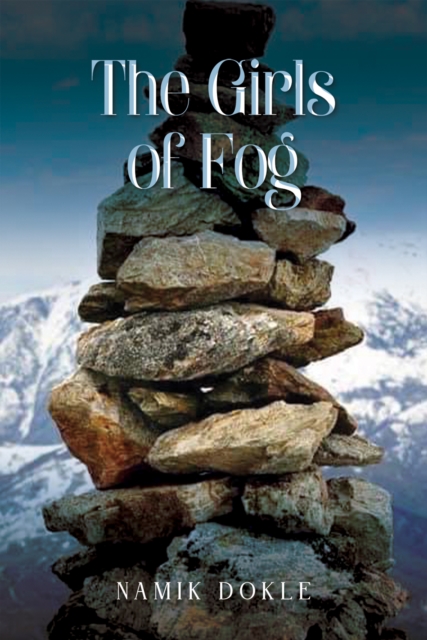
The Girls of Fog
At the end of the world, or in the middle of nowhere, there is a small village called Bukojna. It is located in Gora, a province of Albania inhabited by an ethnic minority called the Gorani. They speak their own unique language, tell their own legends, follow their own rites and customs, and are believed to be of Bogomil origins. According to the legends, in Bukojna, the sun rises twice every day and the moon sets twice every dawn.
The ancient settlement has also welcomed more inhabitants of various origins, from the good-looking Vlachs and the knowledgeable Jews to the brave and proud highlanders. It is a village where "men of turn grey when still children and see better at night than at daylight," as Majka, a supposedly 300-year-old woman forgotten by death, says.
It is precisely in this microcosm of the Albanian Gora - where the obligatory norms of a new life stipulated by the dictatorship of the proletariat try to enroot themselves with the ruthlessness and harshness that characterized the fifties - that the novel's events are narrated through the scrutinizing and suspicious outlook of a child.
The violent attempt to uproot a person's memory, their identity, turns into savageness towards everything that is human, including the ownership of the land, the use of pastures in the border area, the celebration of St. George, wedding customs, Majka's prayers, the song of the girls.
The ancient settlement has also welcomed more inhabitants of various origins, from the good-looking Vlachs and the knowledgeable Jews to the brave and proud highlanders. It is a village where "men of turn grey when still children and see better at night than at daylight," as Majka, a supposedly 300-year-old woman forgotten by death, says.
It is precisely in this microcosm of the Albanian Gora - where the obligatory norms of a new life stipulated by the dictatorship of the proletariat try to enroot themselves with the ruthlessness and harshness that characterized the fifties - that the novel's events are narrated through the scrutinizing and suspicious outlook of a child.
The violent attempt to uproot a person's memory, their identity, turns into savageness towards everything that is human, including the ownership of the land, the use of pastures in the border area, the celebration of St. George, wedding customs, Majka's prayers, the song of the girls.
PRP: 71.93 Lei

Acesta este Prețul Recomandat de Producător. Prețul de vânzare al produsului este afișat mai jos.
57.54Lei
57.54Lei
71.93 LeiPrimești 57 puncte

Indisponibil
Descrierea produsului
At the end of the world, or in the middle of nowhere, there is a small village called Bukojna. It is located in Gora, a province of Albania inhabited by an ethnic minority called the Gorani. They speak their own unique language, tell their own legends, follow their own rites and customs, and are believed to be of Bogomil origins. According to the legends, in Bukojna, the sun rises twice every day and the moon sets twice every dawn.
The ancient settlement has also welcomed more inhabitants of various origins, from the good-looking Vlachs and the knowledgeable Jews to the brave and proud highlanders. It is a village where "men of turn grey when still children and see better at night than at daylight," as Majka, a supposedly 300-year-old woman forgotten by death, says.
It is precisely in this microcosm of the Albanian Gora - where the obligatory norms of a new life stipulated by the dictatorship of the proletariat try to enroot themselves with the ruthlessness and harshness that characterized the fifties - that the novel's events are narrated through the scrutinizing and suspicious outlook of a child.
The violent attempt to uproot a person's memory, their identity, turns into savageness towards everything that is human, including the ownership of the land, the use of pastures in the border area, the celebration of St. George, wedding customs, Majka's prayers, the song of the girls.
The ancient settlement has also welcomed more inhabitants of various origins, from the good-looking Vlachs and the knowledgeable Jews to the brave and proud highlanders. It is a village where "men of turn grey when still children and see better at night than at daylight," as Majka, a supposedly 300-year-old woman forgotten by death, says.
It is precisely in this microcosm of the Albanian Gora - where the obligatory norms of a new life stipulated by the dictatorship of the proletariat try to enroot themselves with the ruthlessness and harshness that characterized the fifties - that the novel's events are narrated through the scrutinizing and suspicious outlook of a child.
The violent attempt to uproot a person's memory, their identity, turns into savageness towards everything that is human, including the ownership of the land, the use of pastures in the border area, the celebration of St. George, wedding customs, Majka's prayers, the song of the girls.
Detaliile produsului