








The Legendary Life and Poetry of Islam's First Woman Sufi Saint Rabia al-Adawiyya: : Tracing the Path of Her Story as Evidence for Female Empowerment
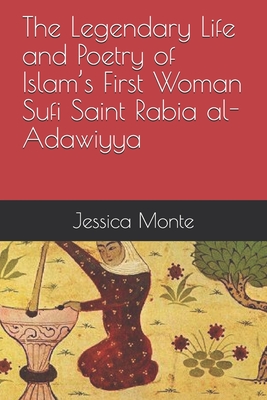
The Legendary Life and Poetry of Islam's First Woman Sufi Saint Rabia al-Adawiyya: : Tracing the Path of Her Story as Evidence for Female Empowerment
Monte's literary criticism, published as her undergraduate senior thesis in 2005, examines three accounts of Islam's acclaimed first female Sufi Saint, Rabia al-Adawiyya, and analyzes the development of her legend in light of the historical and religious contexts of her historians. Monte argues that these factors shaped the retelling of Rabia's legend, a story that began with her name and grew into a popular Muslim account of spiritual strength and societal defiance, empowering both women and men. Although one cannot be sure why the earliest biographers chose to pass on Rabia's story, each of these male authors recounted her story so that, centuries later, accounts of her womanhood and strength continue to be transmitted and translated, crossing cultural and societal boundaries to share her teachings. The first portion of this thesis deals with one of the earliest Sufi documents that mentions Rabia. Arthur John Arberry's translation of The Doctrine of the Sufis (Kitab al-Tarruf li-madhhab ahl al-tasawwuf of Kalabadhi) written by Abu Bakr al-Kalabadhi in the late tenth century preserves the sayings and anecdotes attributed to Rabia and to other Sufis. The second account of Rabia's legend, translated by Arthur John Arberry and written by Farid Ud-Din Attar during the twelfth century, is Muslim Saints and Mystics, or the Memorial of the Saints. The most recent account of Rabia is Dr. Nabil Safwat's translation of Widad El Sakkakini's book, First Among Sufis: The Life and Thought of Rabia al-Adawiyya, an Arabic novel by an Arab woman novelist. El Sakkakini reinterprets the legendary Rabia and remolds her life so that it is more accessible for today's modern Muslim woman.
PRP: 193.67 Lei

Acesta este Prețul Recomandat de Producător. Prețul de vânzare al produsului este afișat mai jos.
174.30Lei
174.30Lei
193.67 LeiPrimești 174 puncte

Livrare in 2-4 saptamani
Descrierea produsului
Monte's literary criticism, published as her undergraduate senior thesis in 2005, examines three accounts of Islam's acclaimed first female Sufi Saint, Rabia al-Adawiyya, and analyzes the development of her legend in light of the historical and religious contexts of her historians. Monte argues that these factors shaped the retelling of Rabia's legend, a story that began with her name and grew into a popular Muslim account of spiritual strength and societal defiance, empowering both women and men. Although one cannot be sure why the earliest biographers chose to pass on Rabia's story, each of these male authors recounted her story so that, centuries later, accounts of her womanhood and strength continue to be transmitted and translated, crossing cultural and societal boundaries to share her teachings. The first portion of this thesis deals with one of the earliest Sufi documents that mentions Rabia. Arthur John Arberry's translation of The Doctrine of the Sufis (Kitab al-Tarruf li-madhhab ahl al-tasawwuf of Kalabadhi) written by Abu Bakr al-Kalabadhi in the late tenth century preserves the sayings and anecdotes attributed to Rabia and to other Sufis. The second account of Rabia's legend, translated by Arthur John Arberry and written by Farid Ud-Din Attar during the twelfth century, is Muslim Saints and Mystics, or the Memorial of the Saints. The most recent account of Rabia is Dr. Nabil Safwat's translation of Widad El Sakkakini's book, First Among Sufis: The Life and Thought of Rabia al-Adawiyya, an Arabic novel by an Arab woman novelist. El Sakkakini reinterprets the legendary Rabia and remolds her life so that it is more accessible for today's modern Muslim woman.
Detaliile produsului