








How are philosophical and theological concepts conceived in the mind? Why are certain topics of greater importance to philosophers and theologians? Why do people think about these issues in the first place? These are the questions that are explored in the ground breaking book, "The Metaphysical Mind". Philosophy and theology usually considers various fundamental concepts such as those related to being, reality, causality, logic, or phenomenology. But the philosophical approach to these topics often leaves out one of the most important things - the human brain. After all, it is the brain that is actually thinking about these ideas in the first place. "The Metaphysical Mind" explores the relationship between the brain and philosophical thought and helps us to understand how the brain enables and restricts our ability to think about these metaphysical concepts. One of the major developments of contemporary thought has been the field of hermeneutics. Hermeneutics considers the environmental, linguistic, and cultural factors that influence a given philosopher in order to determine how particular ideas or texts may have been shaped. However, no one has ever examined philosophical and theological thought specifically from the hermeneutical perspective of the neurobiological and genetic substrate that underlies such thinking. This "neuroscientific hermeneutic" or "neurohermeneutic" refers specifically to the functions of the brain and how they are related to various thought processes which have been at the cornerstone of philosophical and theological thought throughout history. Additionally, this neurohermeneutic helps to better interpret how and why such thoughts develop. Neurohermeneutics is based upon a synthesis of information from multiple fields including anthropology, neurophysiology, cognitive neuroscience, genetics, theology, and philosophy. Many of the major milestones in the history of philosophical and theological thought from pre-Socratic thinkers to the present day can be considered from the perspective of the functioning of the human mind and its multimodal interaction with the social, cultural, intellectual, and physical environment. In particular, the development of some of the most dramatic concepts in philosophy and theology can be considered in relation to certain brain functions and how those functions enable human beings to interpret meaning in the world. Similarly, contemplative/meditative traditions can be considered to be associated with c
The Metaphysical Mind: Probing the Biology of Philosophical Thought
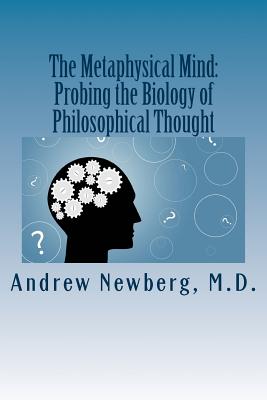
The Metaphysical Mind: Probing the Biology of Philosophical Thought
PRP: 115.86 Lei

Acesta este Prețul Recomandat de Producător. Prețul de vânzare al produsului este afișat mai jos.
104.27Lei
104.27Lei
115.86 LeiPrimești 104 puncte

Indisponibil
Descrierea produsului
How are philosophical and theological concepts conceived in the mind? Why are certain topics of greater importance to philosophers and theologians? Why do people think about these issues in the first place? These are the questions that are explored in the ground breaking book, "The Metaphysical Mind". Philosophy and theology usually considers various fundamental concepts such as those related to being, reality, causality, logic, or phenomenology. But the philosophical approach to these topics often leaves out one of the most important things - the human brain. After all, it is the brain that is actually thinking about these ideas in the first place. "The Metaphysical Mind" explores the relationship between the brain and philosophical thought and helps us to understand how the brain enables and restricts our ability to think about these metaphysical concepts. One of the major developments of contemporary thought has been the field of hermeneutics. Hermeneutics considers the environmental, linguistic, and cultural factors that influence a given philosopher in order to determine how particular ideas or texts may have been shaped. However, no one has ever examined philosophical and theological thought specifically from the hermeneutical perspective of the neurobiological and genetic substrate that underlies such thinking. This "neuroscientific hermeneutic" or "neurohermeneutic" refers specifically to the functions of the brain and how they are related to various thought processes which have been at the cornerstone of philosophical and theological thought throughout history. Additionally, this neurohermeneutic helps to better interpret how and why such thoughts develop. Neurohermeneutics is based upon a synthesis of information from multiple fields including anthropology, neurophysiology, cognitive neuroscience, genetics, theology, and philosophy. Many of the major milestones in the history of philosophical and theological thought from pre-Socratic thinkers to the present day can be considered from the perspective of the functioning of the human mind and its multimodal interaction with the social, cultural, intellectual, and physical environment. In particular, the development of some of the most dramatic concepts in philosophy and theology can be considered in relation to certain brain functions and how those functions enable human beings to interpret meaning in the world. Similarly, contemplative/meditative traditions can be considered to be associated with c
Detaliile produsului