








The Nicomachean Ethics
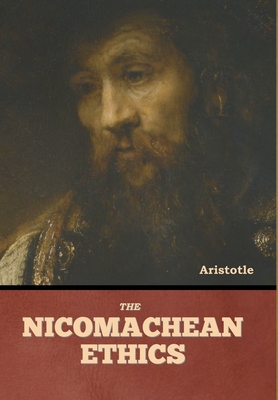
The Nicomachean Ethics
The Nicomachean Ethics is Aristotle's best-known work on ethics, the science of the good for human life, which is the goal or end at which all our actions aim. The aim of the inquiry is political science and the master art of politics. It consists of ten books or scrolls, understood to be based on notes from his lectures at the Lyceum. The title is often assumed to refer to his son Nicomachus, to whom the work was dedicated or who may have edited it (although his young age makes this less likely). Alternatively, the work may have been dedicated to his father, who was also called Nicomachus. The work plays a pre-eminent role in explaining Aristotelian ethics.
The theme of the work is a Socratic question previously explored in the works of Plato, Aristotle's friend and teacher, about how men should best live. In his Metaphysics, Aristotle describes how Socrates, the friend and teacher of Plato, had turned philosophy to human questions, whereas pre-Socratic philosophy had only been theoretical. Ethics, as now separated out for discussion by Aristotle, is practical rather than theoretical, in the original Aristotelian senses of these terms. In other words, it is not only a contemplation about good living, because it also aims to create good living. It is therefore connected to Aristotle's other practical work, Politics, which similarly aims at people becoming good. Ethics is about how individuals should best live, while the study of politics is from the perspective of a law-giver, looking at the good of a whole community.
The Nicomachean Ethics is widely considered one of the most historically important philosophical works and had an important influence on the European Middle Ages, becoming one of the core works of medieval philosophy. Therefore, it indirectly became of great significance in the development of all modern philosophy as well as European law and theology. Many parts of the Nicomachean Ethics are well known in their own right, within different fields. While various philosophers influenced Christendom since its earliest times, in Western Europe, Aristotle became "the Philosopher". In the Middle Ages, a synthesis between Aristotelian ethics and Christian theology became widespread in Europe, as introduced by Albertus Magnus. The most important version of this synthesis was that of Thomas Aquinas. Other more "Averroist" Aristotelians such as Marsilius of Padua were controversial but also influential. (Marsilius is for example sometimes sai
PRP: 274.38 Lei

Acesta este Prețul Recomandat de Producător. Prețul de vânzare al produsului este afișat mai jos.
246.94Lei
246.94Lei
274.38 LeiPrimești 246 puncte
Indisponibil
Descrierea produsului
The Nicomachean Ethics is Aristotle's best-known work on ethics, the science of the good for human life, which is the goal or end at which all our actions aim. The aim of the inquiry is political science and the master art of politics. It consists of ten books or scrolls, understood to be based on notes from his lectures at the Lyceum. The title is often assumed to refer to his son Nicomachus, to whom the work was dedicated or who may have edited it (although his young age makes this less likely). Alternatively, the work may have been dedicated to his father, who was also called Nicomachus. The work plays a pre-eminent role in explaining Aristotelian ethics.
The theme of the work is a Socratic question previously explored in the works of Plato, Aristotle's friend and teacher, about how men should best live. In his Metaphysics, Aristotle describes how Socrates, the friend and teacher of Plato, had turned philosophy to human questions, whereas pre-Socratic philosophy had only been theoretical. Ethics, as now separated out for discussion by Aristotle, is practical rather than theoretical, in the original Aristotelian senses of these terms. In other words, it is not only a contemplation about good living, because it also aims to create good living. It is therefore connected to Aristotle's other practical work, Politics, which similarly aims at people becoming good. Ethics is about how individuals should best live, while the study of politics is from the perspective of a law-giver, looking at the good of a whole community.
The Nicomachean Ethics is widely considered one of the most historically important philosophical works and had an important influence on the European Middle Ages, becoming one of the core works of medieval philosophy. Therefore, it indirectly became of great significance in the development of all modern philosophy as well as European law and theology. Many parts of the Nicomachean Ethics are well known in their own right, within different fields. While various philosophers influenced Christendom since its earliest times, in Western Europe, Aristotle became "the Philosopher". In the Middle Ages, a synthesis between Aristotelian ethics and Christian theology became widespread in Europe, as introduced by Albertus Magnus. The most important version of this synthesis was that of Thomas Aquinas. Other more "Averroist" Aristotelians such as Marsilius of Padua were controversial but also influential. (Marsilius is for example sometimes sai
Detaliile produsului




